Tesla Kills Autopilot in the U.S. and Canada, Pushes Drivers Toward Paid Self-Driving

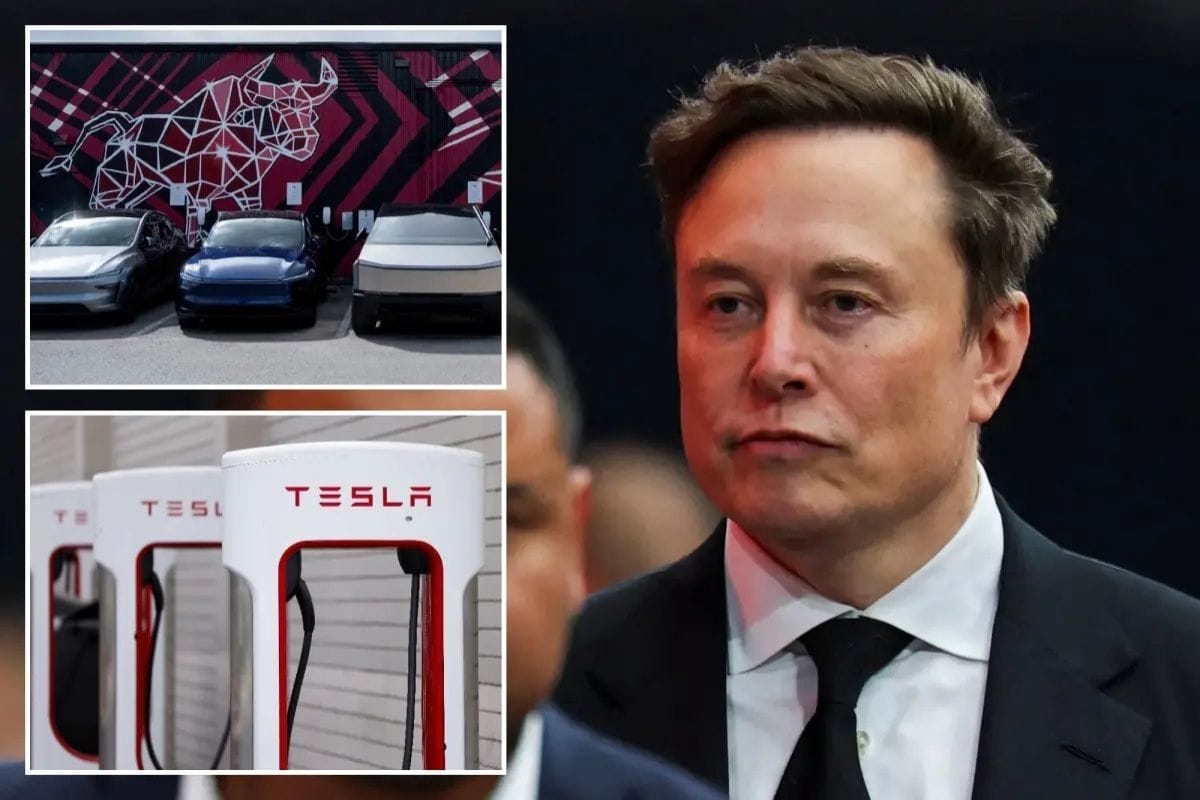
For years, Tesla’s Autopilot system has been one of the company’s biggest selling points, a futuristic promise that cars could help steer, brake, and navigate highways with minimal effort from the driver. But that era has now come to an end.
Tesla has officially discontinued its basic Autopilot system in the United States and Canada, marking a major shift in how the electric carmaker offers driver-assistance technology. The move signals a clear strategy from CEO Elon Musk: push customers toward Tesla’s more advanced, subscription-based Full Self-Driving (Supervised) system and away from features once included as standard.
The change happened quietly. Drivers configuring new Tesla vehicles online noticed that Autopilot no longer appears as an option. Instead, cars now ship with a far more limited feature called Traffic Aware Cruise Control, which simply maintains speed and keeps a safe distance from other vehicles. One of Autopilot’s most popular features Autosteer, has been removed entirely from standard offerings.
For many longtime Tesla fans, the move feels like the end of an era.
What Exactly Changed?
Previously, Autopilot included two main features: adaptive cruise control and Autosteer. Together, they allowed Tesla vehicles to stay centered in a lane, handle curves on highways, and automatically adjust speed based on traffic, all while requiring the driver to keep hands on the wheel.
Now, only the cruise control portion remains. Vehicles will no longer steer themselves unless drivers subscribe to Tesla’s Full Self-Driving (Supervised) software.
At the same time, Tesla is also changing how customers pay for FSD. The company announced it will stop selling Full Self-Driving as a one-time purchase starting mid-February. Instead, access will only be available through a monthly subscription priced at $99.
Elon Musk has openly said that the price will rise over time as the software improves.
In other words, Tesla is turning driver-assistance into a recurring revenue stream.
Why Tesla Is Making This Move
While Tesla hasn’t given a detailed public explanation, several factors appear to be driving the decision.
One major reason is regulatory pressure. California regulators recently placed Tesla under a 60-day deadline to change how it markets its driver-assistance systems. Officials argued that the name “Autopilot” misled consumers into believing the system was capable of fully autonomous driving, something Tesla vehicles cannot legally or technically do.
Regulators reportedly warned that failure to address the issue could result in a suspension of Tesla’s license to sell vehicles in the state.
Removing the Autopilot name entirely may help Tesla avoid future legal and regulatory trouble, especially as scrutiny around vehicle automation continues to intensify.
A Shift Toward Subscriptions
Beyond regulation, the move fits neatly into Tesla’s broader business strategy.
Subscription services are increasingly attractive to companies because they provide steady, predictable income. Rather than collecting a one-time payment, Tesla can now earn monthly revenue from drivers who want advanced features.
Musk has repeatedly described Full Self-Driving as a long-term profit engine. As the software improves and expands globally, Tesla expects more customers to subscribe, especially if basic steering features are no longer included for free.
In many ways, the strategy mirrors what’s happening across the tech industry. Software companies, streaming platforms, and even carmakers are moving away from ownership models and toward subscriptions.
Tesla just took that idea one step further.
What This Means for Drivers
For new buyers, the immediate impact is simple: fewer features come standard.
Drivers who once enjoyed lane-keeping assistance on highways will now need to pay monthly for it. For some, that may feel like a downgrade, especially considering the premium price of Tesla vehicles.
Others may not mind, particularly drivers who rarely use Autosteer or who already subscribe to Full Self-Driving.
Still, critics argue that Tesla is removing safety and convenience features that competitors increasingly offer as standard equipment. Many rival automakers include lane-centring systems without requiring a subscription, raising questions about whether Tesla risks losing its edge.
Ongoing Concerns About Autonomy Claims
Tesla’s driver-assistance systems have long been controversial. While the company repeatedly warns drivers that the software requires constant supervision, critics say marketing language has created unrealistic expectations.
Several high-profile accidents involving Tesla vehicles operating under Autopilot or Full Self-Driving have intensified scrutiny. Investigations into whether drivers relied too heavily on the system have fueled calls for tighter oversight and clearer messaging.
By discontinuing Autopilot altogether, Tesla may be attempting to draw a clearer line between basic driver assistance and its more advanced but still supervised technology.
The Bigger Picture
Tesla’s decision marks a turning point not just for the company, but for the broader conversation around vehicle automation.
The promise of hands-free, self-driving cars has captured public imagination for years. But reality has proven far more complex, with technical limitations, safety concerns, and regulatory hurdles slowing progress.
Tesla’s latest move suggests a more cautious and more profitable path forward: charge customers for incremental improvements, avoid legal landmines, and keep full autonomy firmly in the future tense.
For now, the Autopilot name is gone. What remains is a clearer message: advanced driving features are no longer standard; they’re a service.
And like most services these days, they come with a monthly bill.