The Cookers Cancel New Year’s Eve Show After Kennedy Center Renaming

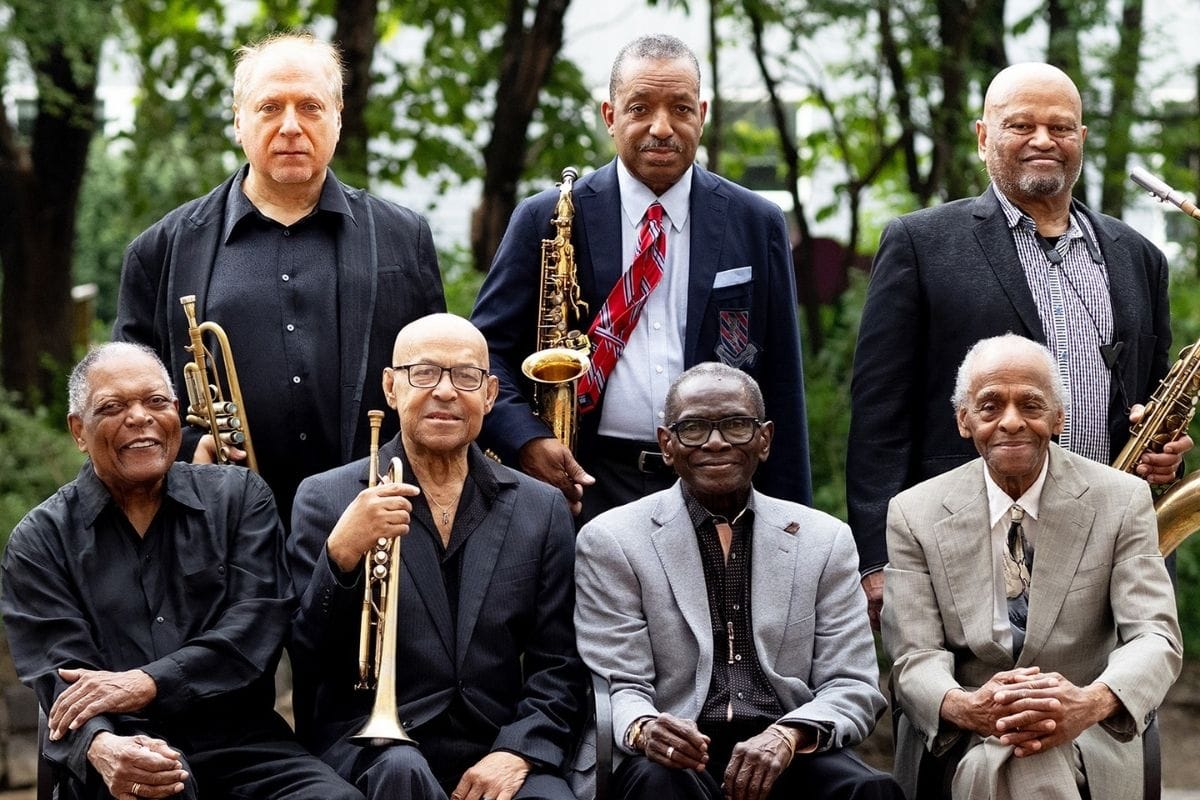
Just days before the countdown to midnight and what was supposed to be a joyful New Year’s Eve filled with live jazz, the acclaimed band The Cookers quietly pulled the plug on their performance at the newly renamed Trump–Kennedy Centre.
The decision came with only two days’ notice. Almost instantly, it rippled through the arts world. While the band never directly spelt out its reasons, the timing spoke for itself. The cancellation followed closely on the heels of the Kennedy Centre’s controversial renaming, and for many observers, the connection felt impossible to ignore.
For fans, it wasn’t just about a cancelled show. It felt like a moment where art, politics, and identity collided on one of America’s most symbolic cultural stages.
A Quiet Choice That Carried Weight
In a statement posted on their website, The Cookers described the decision as one that “came together very quickly.” They were careful to clarify one thing: this wasn’t about turning their backs on the audience.
Instead, the band framed the moment as deeply personal and rooted in the values that have shaped their music for decades.
“Jazz was born from struggle and from a relentless insistence on freedom,” they wrote freedom of expression, freedom of thought, and the freedom to bring one’s full humanity to the stage.
Those words mattered. The Cookers aren’t newcomers reacting impulsively. Many of the musicians have spent a lifetime performing, teaching, and carrying forward jazz traditions tied to resistance, dignity, and voice. Their message suggested that where music is played matters just as much as how it’s played.
Rather than lashing out, the band struck a reflective tone. They said they hoped the moment would open space for thought, not anger. They acknowledged the disappointment fans might feel and said they shared it.
At its core, they emphasised, their mission remains the same: to make music that brings people together, not drives them further apart.
The Renaming That Changed the Conversation
The Cookers’ decision came after the Kennedy Centre’s board voted earlier this month to rename the institution as the Donald J. Trump and the John F. Kennedy Memorial Centre for the Performing Arts.
The change sparked immediate debate.
For generations, the Kennedy Centre has been seen as a national cultural home a place where art stood above politics, even when politics surrounded it. While supporters of the renaming argue that it honours presidential legacies and doesn’t alter the centre’s mission, many artists see it differently.
To them, the new name feels like a shift in tone one that blurs the line between cultural space and political statement.
For performers like The Cookers, the question appears to be less about policy and more about symbolism: whether the space still reflects the spirit and freedom they believe their music represents.
A Growing Pattern Among Artists
The Cookers are not the first to step away.
Earlier this month, jazz musician Chuck Redd cancelled a Christmas Eve performance at the centre, citing objections connected to the renaming. That decision triggered a sharp response from leadership at the Trump–Kennedy Centre.
Centre President Richard Grenell accused Redd of staging a political stunt and later sought $1 million in damages, arguing the cancellation caused significant financial harm. The move sparked fierce debate across the arts community, with some defending the musician’s right to act on conscience and others worried about the ripple effects on audiences, staff, and the institution itself.
More recently, reports surfaced that a well-known New York dance company has cancelled two upcoming performances scheduled for April. The company’s director acknowledged the decision would cost tens of thousands of dollars, a loss described as financially painful, but morally necessary.
Together, these cancellations suggest this is no longer an isolated incident. It’s part of a wider reckoning within the arts world.
The Kennedy Centre Responds
The Trump–Kennedy Centre has pushed back forcefully.
In a statement responding to the cancellations, a spokesperson criticised artists who withdraw over political disagreements, calling such actions neither courageous nor principled. The centre argued that art is meant to unite people, not exclude them, and emphasised its belief that great art should rise above politics.
The statement reaffirmed the centre’s claim that it remains a bipartisan institution, open to artists and audiences of all backgrounds.
But for many performers, that reassurance hasn’t resolved the deeper discomfort. Some feel that the renaming itself crossed a line redefining a space that once felt neutral into something more charged.
At the heart of this moment is a larger question: can art truly exist separately from politics when the places that host it carry political meaning?
For jazz musicians especially, history looms large. Jazz is inextricably linked to stories of struggle, civil rights, and resilience. For many artists, performing isn’t just about entertainment; it’s about honouring a legacy and standing inside it.
What This Moment Means for Artists and Audiences
As New Year’s Eve arrives, the Trump–Kennedy Centre will move forward without one of its scheduled jazz acts. But sometimes, absence speaks louder than sound.
For artists, this moment forces hard questions about where they choose to perform and what compromises they’re willing or unwilling to make. For audiences, it offers a chance to reflect on how culture, politics, and identity intersect in the spaces we often overlook.
The Cookers have said they hope to return to the stage when the time feels right. Until then, their choice serves as a quiet reminder: music doesn’t exist in a vacuum. It’s shaped by history, values, and the environments that surround it.
And as this debate continues, one thing is clear: the conversation about art, freedom, and identity at America’s cultural centre is only just beginning.