The Epstein Vote Was 427–1 and the Lone “No” Is Exactly Why It Matters
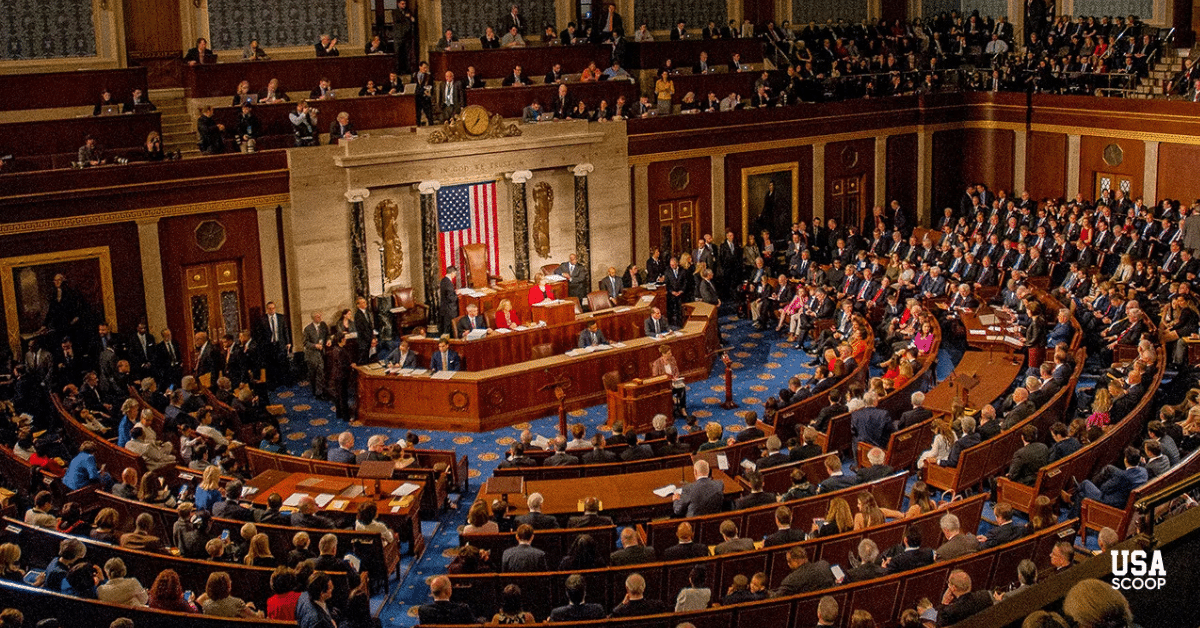
House passes release of Epstein files nearly unanimously, except for one lone voice.
In a 427-1 vote, the House approved the release of files tied to Jeffrey Epstein, but the lone “no” is stirring questions about motives, power and transparency.
It wasn’t a typical marked day in Washington, but it might end up being one of the more memorable ones. On November 18, 2025, the US House of Representatives delivered a vote that looked unanimous, 427 lawmakers voted in favour of the bill compelling federal agencies to release files tied to convicted sex offender Jeffrey Epstein.
Then there was one outlier. Clay Higgins, a Republican of Louisiana, cast the sole “no” vote.
The sheer scale of the vote, nearly 100 percent in favour, told one story, Congress, at least, was prepared to show transparency.
But Higgins’ dissent told another. In casting his vote, he said he was standing on principle and raised concerns that the legislation would expose innocent people and bypass long-standing criminal justice norms. This divergence, from nearly universal consent to solitary resistance, shines a light on larger tensions around power, secrecy and institutional trust in America today.
The Vote That Shocked Few and Raised Many Eyebrows
The bill, known informally as the “Epstein Files Transparency Act,” surged through Congress after months of pressure.
Civil society groups, media organisations and members of both parties had urged disclosure of detailed investigative files connected to Epstein’s sex trafficking network. With public anger high and demands for accountability mounting, the House moved swiftly. Of the 428 votes cast, only Higgins said no.
In a statement posted shortly after, Higgins explained his reasoning.
“What was wrong with the bill three months ago is still wrong today. It abandons 250 years of criminal justice procedure in America. As written, this bill reveals and injures thousands of innocent people, witnesses, people who provided alibis, family members, etc.”
He insisted that unless the bill added protections for those named but not implicated in crimes, he would withhold his support.
Why the Dissent Matters
At first glance, the optics suggest clarity, that almost the entire House wanted this transparency play. Congress signalling that it’s for the people, against cover-ups. But Higgins’s statement and lone dissent force a deeper look. When even one member refuses what looks like a bipartisan consensus, it invites the question of why.
Higgins argues this isn’t about refusing transparency but about protecting due process.
He claims the bill, as written, is dangerously broad and could overwhelm innocent names into a media frenzy. Whether or not one agrees with his logic, the dissent spotlights a paradox in a system where secrecy is criticised, where transparency is demanded, how do we balance openness with fairness without turning investigations into a spectacle?
Epstein’s Network, Public Outrage and Political Pressure
The Epstein scandal has loomed large since his 2019 death in prison.
Legal complaints, civil suits, secret settlements and a tangled web of elite names all kept the story alive. Victims, advocacy groups and sections of the media pressed for the full scope of investigations and associations to be given exposure.
In Congress, that pressure surged. A discharge petition forced the bill onto the floor after months of delay. The House leadership, republican and democratic, ultimately backed the bill. The Senate cleared it quickly, and the public viewed it as a win for accountability.
But for critics, especially the lone dissenter, the concern is whether this kind of sweeping release turns real victims’ claims into tabloid fodder and whether the institutions meant to protect rights are becoming tools for theatre.
Trust, Institutions and Power
This vote taps into a deeper truth: Americans have grown mistrustful of institutions. Whether it is the justice system, Congress, or the presidency, the sense that rules apply unequally has become commonplace. In this context, a near-unanimous vote is rare.
One voice of resistance becomes amplified.
For the House, the near-unanimity could suggest unified action, yet Higgins’ dissent means there is dissent within. For the public, it raises a challenge. When pressure is high for transparency, do we risk throwing out protections and rights under the guise of openness? Are we demanding full disclosure or selective spectacle?
What Everyone’s Saying
Instantly, commentators and stakeholders weighed in. Survivors of Epstein’s crimes called the vote a step toward justice.
The lone dissent became a focal point, while the yes vote is naturally considered historic, they also asked whether the dissenting voice was right about potential collateral damage. The answer isn’t simple.
Some victims want names, but some insiders fear everything becoming public without context.
Final Thought
The House’s 427-1 vote to release the Epstein files looks like a big win on paper. But the significance lies in the nuance, i.e. the near-sky-high consensus, the very low resistance, and the one man who stepped aside. Clay Higgins says he voted for caution. In doing so, he forced the bigger story into view. In a time when we crave openness, we may need to remember what it costs, and what remains hidden, even when everything seems revealed.
This vote is a snapshot of trust, power and the public’s right to know, and the question now is whether what comes from this will feel like closure or just another chapter.