TikTok Saves Itself in the U.S.: Inside the Deal That Split the App and Secured Its Future
After years of political pressure, legal uncertainty, and fears of a nationwide ban, TikTok has finally secured its future in the United States. The popular short-video platform announced that it has completed a deal that separates its U.S. operations from its global business, allowing the app to continue running for its nearly 200 million American users.
The agreement ends a long standoff between Washington and Beijing that began during President Donald Trump’s first term and intensified under President Joe Biden. At the center of the conflict were national security concerns, data privacy fears, and the powerful algorithm that drives TikTok’s addictive content recommendations.
For many users, creators, and advertisers, the announcement brings relief. For policymakers and tech experts, it raises new questions about how the app will change—and whether the deal truly resolves the concerns that nearly shut TikTok down in the U.S.
Why TikTok Faced a U.S. Ban
Concerns about TikTok date back several years. Lawmakers from both political parties argued that the app’s Chinese owner, ByteDance, could be forced by Beijing to share data on American users. TikTok and ByteDance have consistently denied those claims, saying user data has never been handed over to the Chinese government.
Despite those assurances, pressure continued to mount. In 2024, legislation was passed requiring ByteDance to sell TikTok’s U.S. operations or face a ban. The law set a deadline in early 2025, creating a cloud of uncertainty for millions of Americans who rely on the app for entertainment, income, and community.
At one point, TikTok briefly went dark in the U.S. after legal challenges failed to halt the law. The blackout lasted only hours, but it sent shockwaves through the creator economy and fueled public backlash.
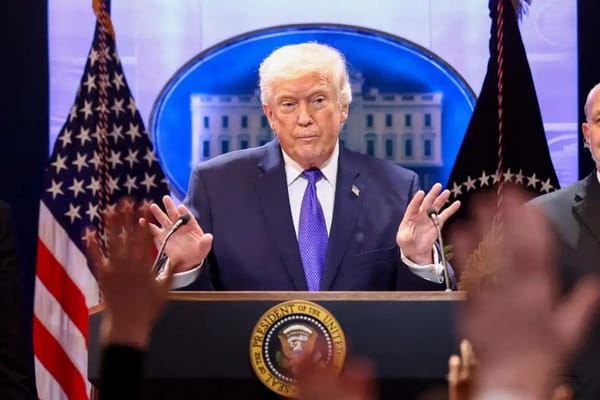
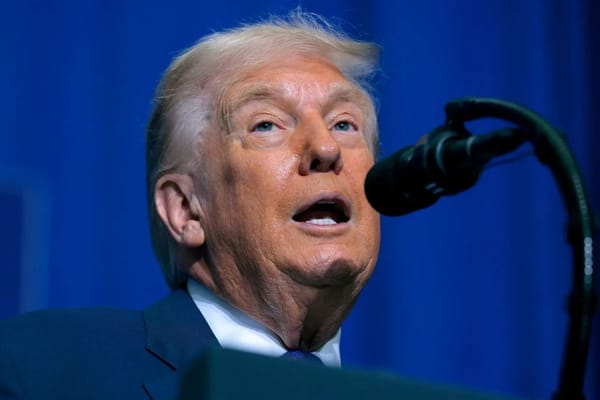
President Trump, who had once tried to ban TikTok outright, later took credit for helping keep the app alive by delaying enforcement and encouraging negotiations.
What the New Deal Actually Does
The newly finalized deal restructures TikTok’s U.S. business into a separate entity known as TikTok USDS Joint Venture LLC. This company will be responsible for U.S. user data, app operations, and—most importantly the recommendation algorithm that determines what users see on their screens.
Under the agreement:
- TikTok’s U.S. operations will be run independently from ByteDance.
- American investors hold majority control.
- U.S. user data will be stored and protected inside American infrastructure.
- The algorithm will be retrained using only U.S. user data.
The move is designed to ensure that American data remains under U.S. oversight while allowing TikTok to continue functioning without interruption.
Who Owns TikTok in the U.S. Now
Ownership of TikTok’s U.S. business is now spread across a group of American and international investors, with a majority-American board overseeing operations.
Three major managing investors each hold 15% stakes:
- Oracle, which will handle data security and cloud infrastructure
- Silver Lake, a major U.S. tech investment firm
- MGX, an Emirati technology investment group
ByteDance retains a minority stake of just under 20%, while the remaining shares are held by various investment groups, including firms linked to U.S. tech executives and financial institutions.
The new company is led by Adam Presser, a former media executive, and governed by a seven-member board dominated by American directors. TikTok’s global CEO, Shou Zi Chew, will also sit on the board, maintaining a link between the U.S. and global operations.
The Algorithm: TikTok’s Biggest Question Mark
The biggest mystery surrounding the deal is what happens to TikTok’s famed recommendation algorithm—the technology that made the app a cultural phenomenon.
The algorithm is often described as TikTok’s “secret sauce,” capable of learning user preferences faster and more accurately than rivals like Instagram Reels or YouTube Shorts. Tech insiders have long said competitors struggle to match its precision.
Under the new agreement, ByteDance has licensed the algorithm to the U.S. entity. It will now be retrained using only American user data and housed entirely within Oracle’s U.S.-based cloud systems.
Experts believe this could lead to noticeable changes. Some predict:
- Slower content discovery
- Less personalized recommendations at first
- Differences between the U.S. version and global TikTok feeds
Others argue most users may not notice major changes, at least initially. Still, many agree the algorithm’s evolution will be closely watched by creators and advertisers alike.
What This Means for Users and Creators
For everyday users, the app isn’t going anywhere. TikTok will continue operating in the U.S., and creators can keep posting, earning money, and building audiences without fear of an immediate shutdown.
However, subtle changes may emerge over time. Content trends could shift. Viral growth might slow or accelerate in new ways. Some creators may need to adapt their strategies if the algorithm behaves differently.
Advertisers, meanwhile, gain a sense of stability after months of uncertainty. The deal reassures brands that TikTok remains a safe, long-term platform for reaching American audiences.
Is the Controversy Really Over?
While the agreement marks a major turning point, it does not end debate around TikTok entirely. Some lawmakers remain skeptical, questioning whether the separation goes far enough. Others worry the deal sets a precedent for government involvement in tech ownership.
For now, though, TikTok has survived its biggest threat yet.
As President Trump put it in a celebratory post, he was “happy to have helped save TikTok.” Whether the app’s U.S. future proves as stable as promised will depend on how the new structure works in practice and whether trust can truly be rebuilt.
For millions of Americans scrolling, posting, and creating every day, one thing is clear: TikTok is staying for now.