
Top 5 Cruise Giants Dominating the Global Travel Industry
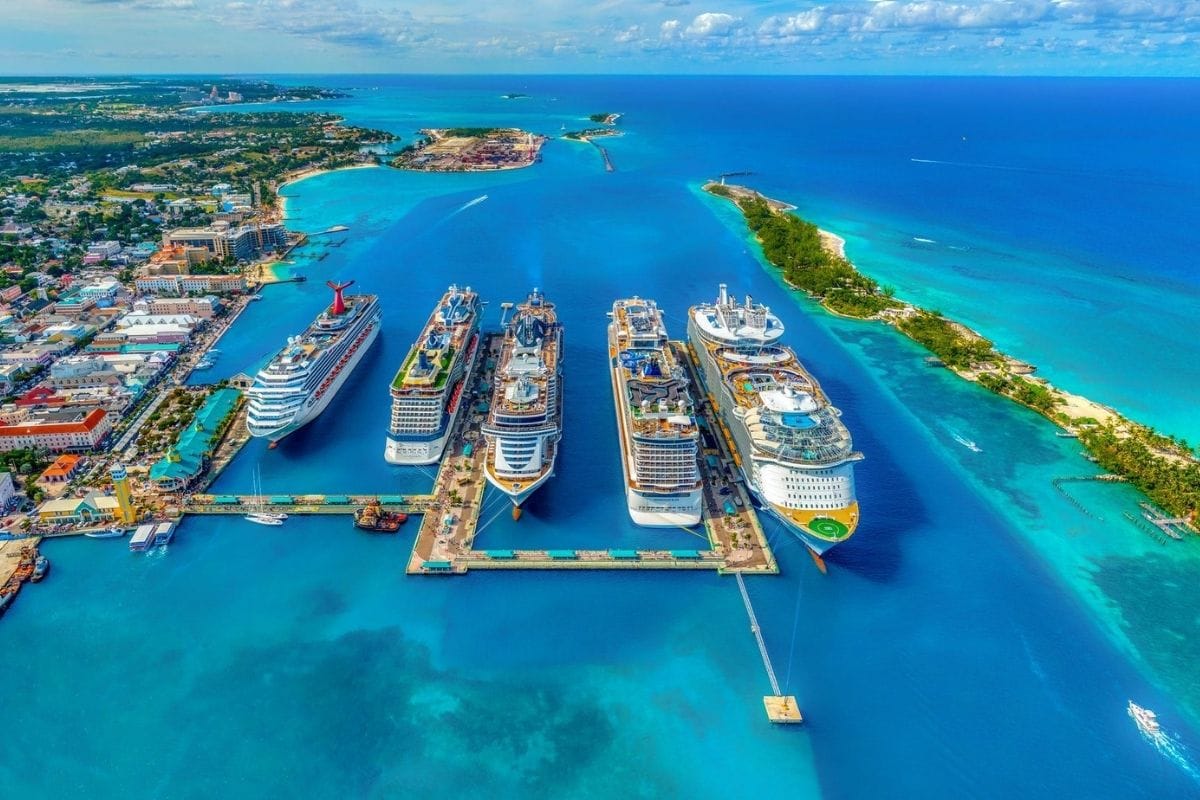
The cruise industry has made a powerful comeback. After years of uncertainty, ships are sailing full again, new mega-vessels are launching, and travellers are booking vacations at record levels. Cruising in 2025 isn’t just about getting from one port to another; it’s about floating resorts, luxury escapes, and unforgettable experiences at sea.
But while there are dozens of cruise brands around the world, only a handful truly dominate the industry. These companies control most of the ships, generate billions in revenue, and shape where and how people travel by sea.
When cruise lines are ranked by global market size and revenue, the hierarchy becomes very clear. Here are the top five cruise companies in the world, and why they continue to lead the industry.
1. Carnival Corporation: The Biggest Name in Cruising
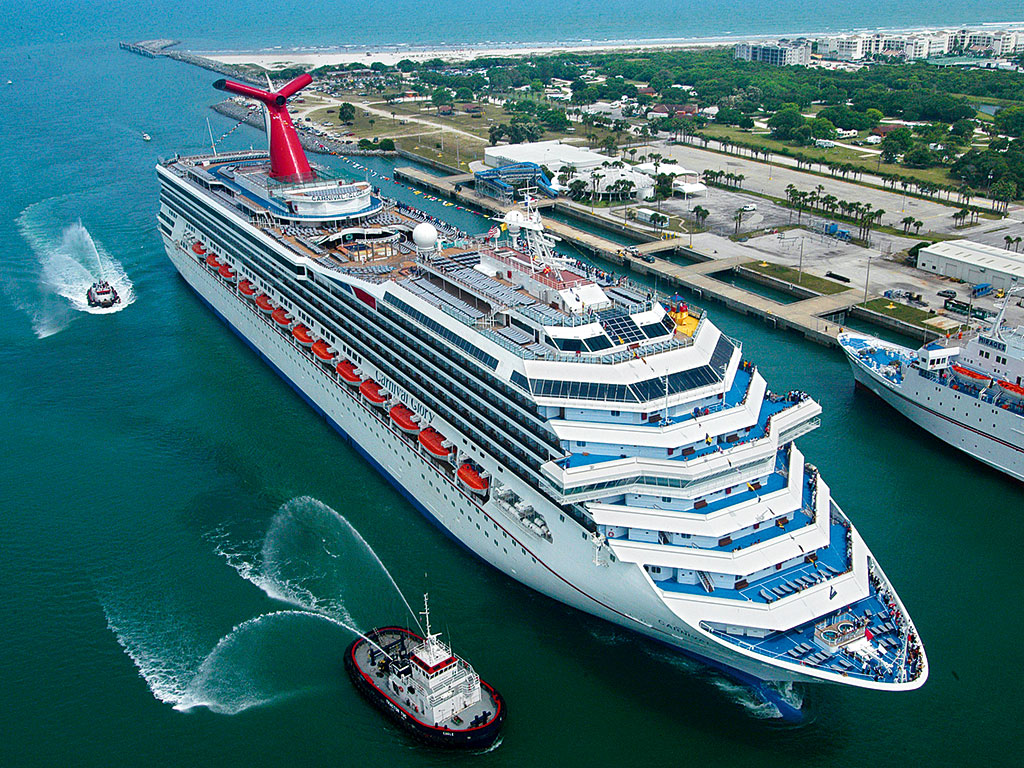
Carnival Corporation sits at the very top of the cruise world, and no other company comes close.
With annual revenue of around $25 to $26 billion, Carnival controls roughly 40% of the global cruise market. Its fleet of more than 90 ships sails in nearly every major cruising region, from the Caribbean and Alaska to Europe, Asia, and Australia.
What truly sets Carnival apart is its range. Rather than focusing on one type of traveller, the company owns multiple brands that serve different audiences. Some ships cater to families and first-time cruisers, while others focus on premium or luxury experiences.
This approach gives Carnival unmatched reach. Whether someone wants an affordable weekend getaway or a high-end ocean crossing, there’s likely a Carnival-owned ship that fits the plan. That diversity, combined with sheer scale, keeps Carnival firmly in first place.
2. Royal Caribbean Group: Pushing the Limits at Sea
Royal Caribbean Group has built its reputation on doing things bigger and bolder than anyone else.
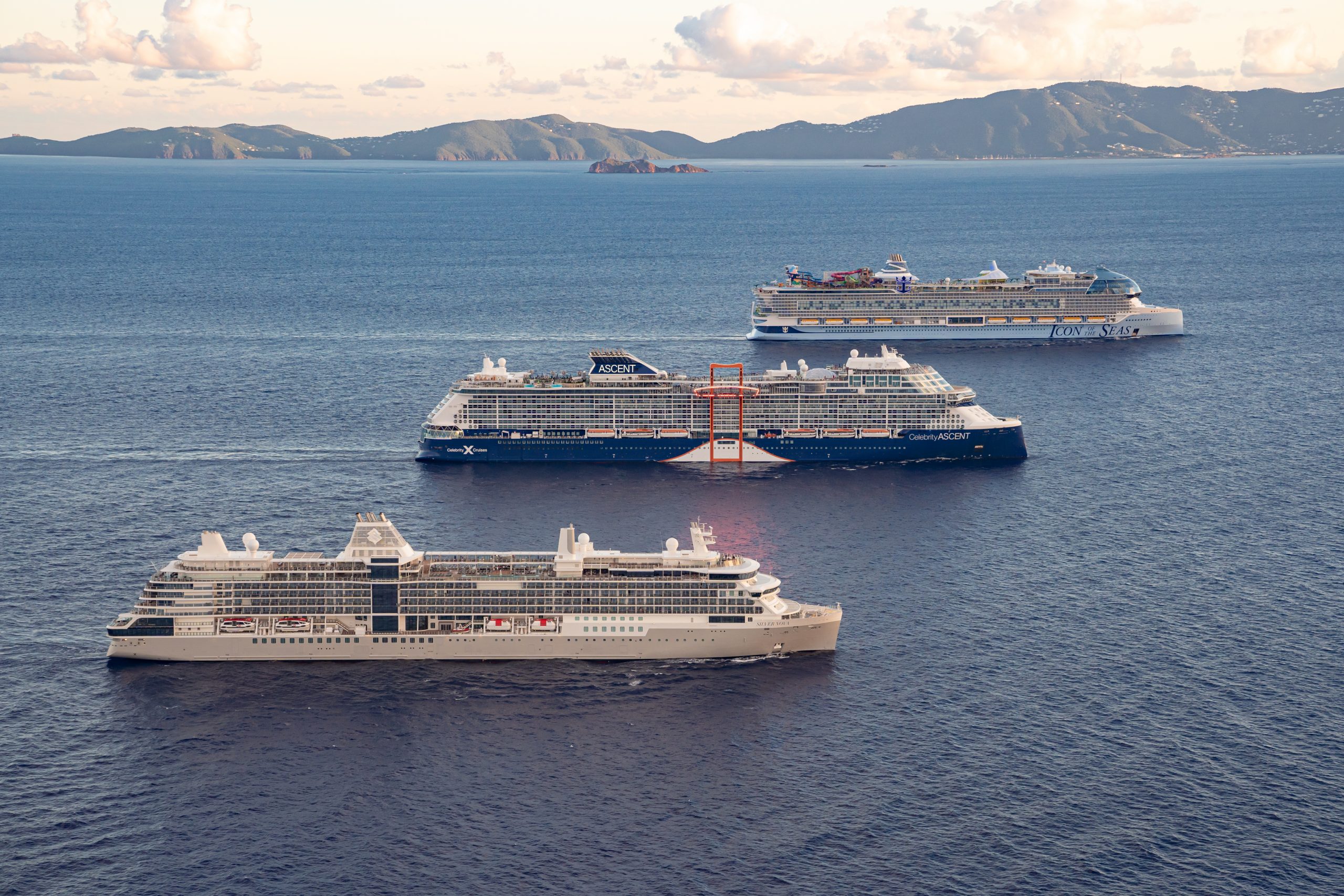
Bringing in roughly $14 to $15 billion a year, Royal Caribbean operates about 65 ships, including some of the largest cruise vessels ever built. These ships feel more like floating cities than traditional cruise liners, packed with attractions that range from massive water parks to surf simulators and sky-high observation decks.
Innovation is at the heart of Royal Caribbean’s success. The company continuously experiments with new ship designs and onboard experiences, keeping repeat passengers coming back for more.
Alongside its flagship brand, Royal Caribbean also owns Celebrity Cruises and Silversea Cruises, allowing it to serve premium and luxury travellers as well. While its fleet is smaller than Carnival’s, Royal Caribbean often earns more per ship, proving that bigger experiences can drive bigger returns.
3. Norwegian Cruise Line Holdings: Comfort, Choice, and Style
Norwegian Cruise Line Holdings takes a more relaxed approach to cruising and it has paid off.
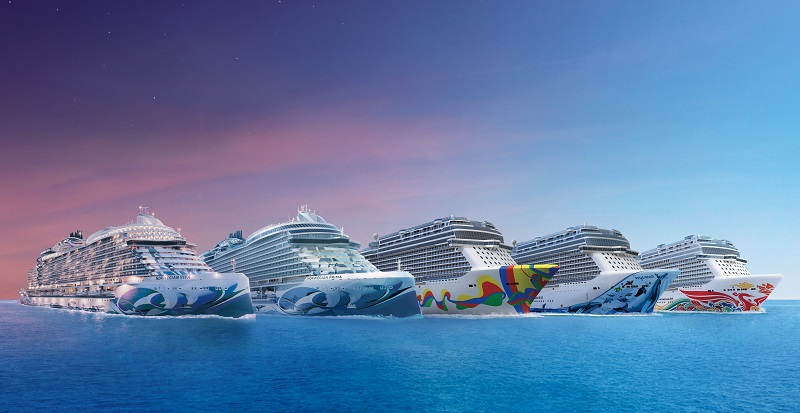
With $8 to $9 billion in annual revenue and a fleet of around 32 ships, Norwegian focuses on flexibility and comfort. The company became well known for “freestyle cruising,” which removed many of the formal rules associated with traditional cruise travel.
Over time, Norwegian expanded into higher-end markets by acquiring Oceania Cruises and Regent Seven Seas Cruises. This move allowed the company to attract travellers looking for luxury, all-inclusive experiences alongside those who prefer a more casual style.
Norwegian may not operate as many ships as the two giants above it, but it competes strongly through premium pricing and loyal repeat customers.
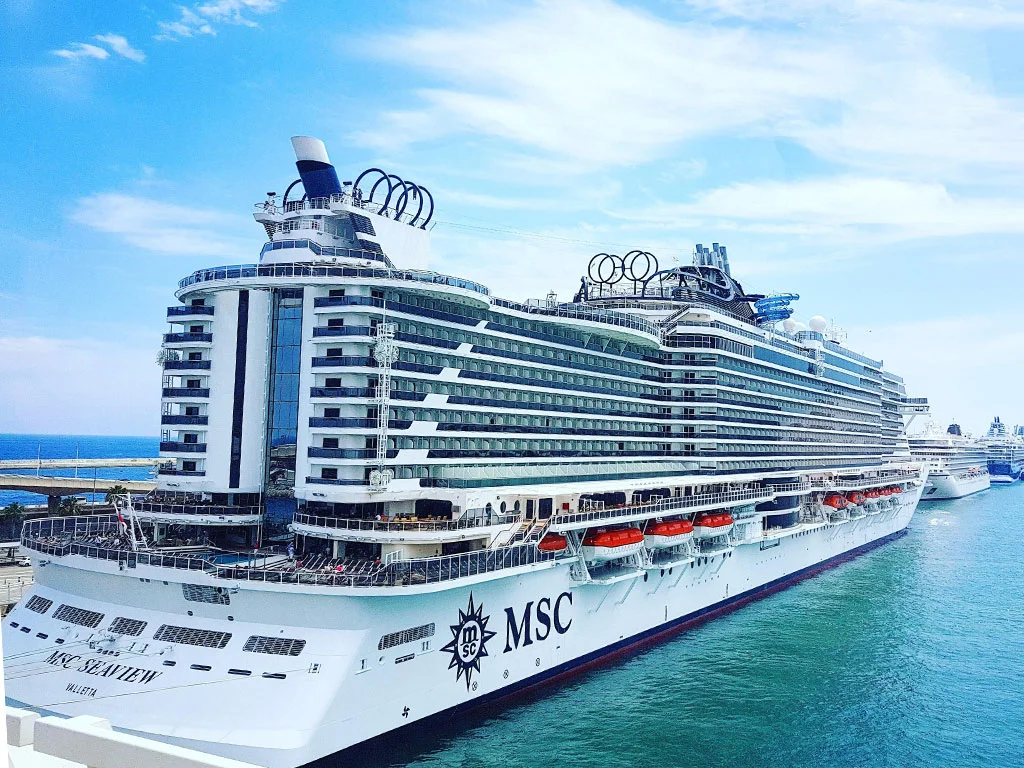
4. MSC Cruises: The Fastest-Growing Player in the Industry
MSC Cruises is the cruise line to watch.
Generating $6 to $7 billion annually, MSC operates roughly 23 ships and has grown rapidly over the past decade. The company dominates the European cruise market and has expanded aggressively into the Middle East and North America.
MSC’s ships are modern, stylish, and often priced competitively, making them attractive to a wide range of travellers. Backed by the larger MSC Group, one of the world’s biggest shipping companies, MSC has the resources to keep expanding at a fast pace.
Many industry experts believe MSC could eventually challenge the long-standing dominance of U.S.-based cruise companies.
5. Disney Cruise Line: Small Fleet, Big Business
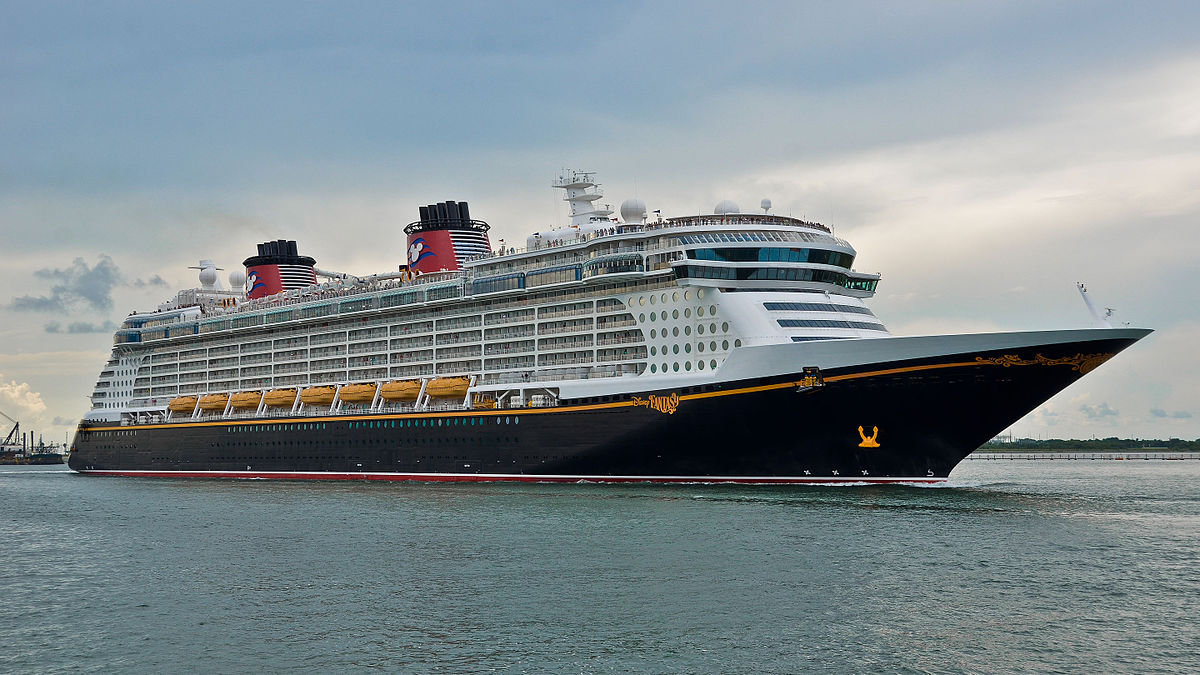
Disney Cruise Line proves that size isn’t everything.
With only five ships currently in service, Disney still generates an estimated $2 to $3 billion a year an impressive figure that translates into some of the highest revenue per ship in the industry.
Disney’s strength lies in its brand. Families are willing to pay premium prices for Disney’s themed entertainment, character experiences, and consistently high service standards. Cruises often sell out quickly, even at higher price points than competitors.
With more ships scheduled to launch in the coming years, Disney’s role in the cruise industry is expected to grow even larger.
Why These Five Cruise Lines Lead the Industry
Together, these five companies control the vast majority of global cruise capacity. Their success comes down to scale, strong branding, and heavy investment in new ships and destinations.
As cruising continues to grow worldwide, these companies are best positioned to shape its future, offering travellers more routes, more experiences, and more ways to explore the world by sea.
In the cruise industry, leadership isn’t just about size. It’s about vision, and these five cruise lines are steering the course ahead.
Top 5 Cruise Lines in the World (By Revenue & Fleet Size)
| Rank | Cruise Line | Estimated Revenue (USD) | Number of Ships | Headquarters | Key Strength |
|---|---|---|---|---|---|
| 1 | Carnival Corporation | $25–26 Billion | 90+ | United States | Largest global market share and brand portfolio |
| 2 | Royal Caribbean Group | $14–15 Billion | ~65 | United States | World’s largest and most innovative cruise ships |
| 3 | Norwegian Cruise Line Holdings | $8–9 Billion | ~32 | United States | Strong premium and luxury cruise offerings |
| 4 | MSC Cruises | $6–7 Billion | ~23 | Switzerland | Fastest-growing cruise line worldwide |
| 5 | Disney Cruise Line | $2–3 Billion | 5 (8 by 2026) | United States | Highest revenue per ship, premium family cruises |