Trump Alleges Obama Shared Classified Details on Aliens
Donald Trump accuses Barack Obama of revealing classified information in remarks about aliens and unidentified aerial phenomena, reigniting debate over UAP transparency and national security.
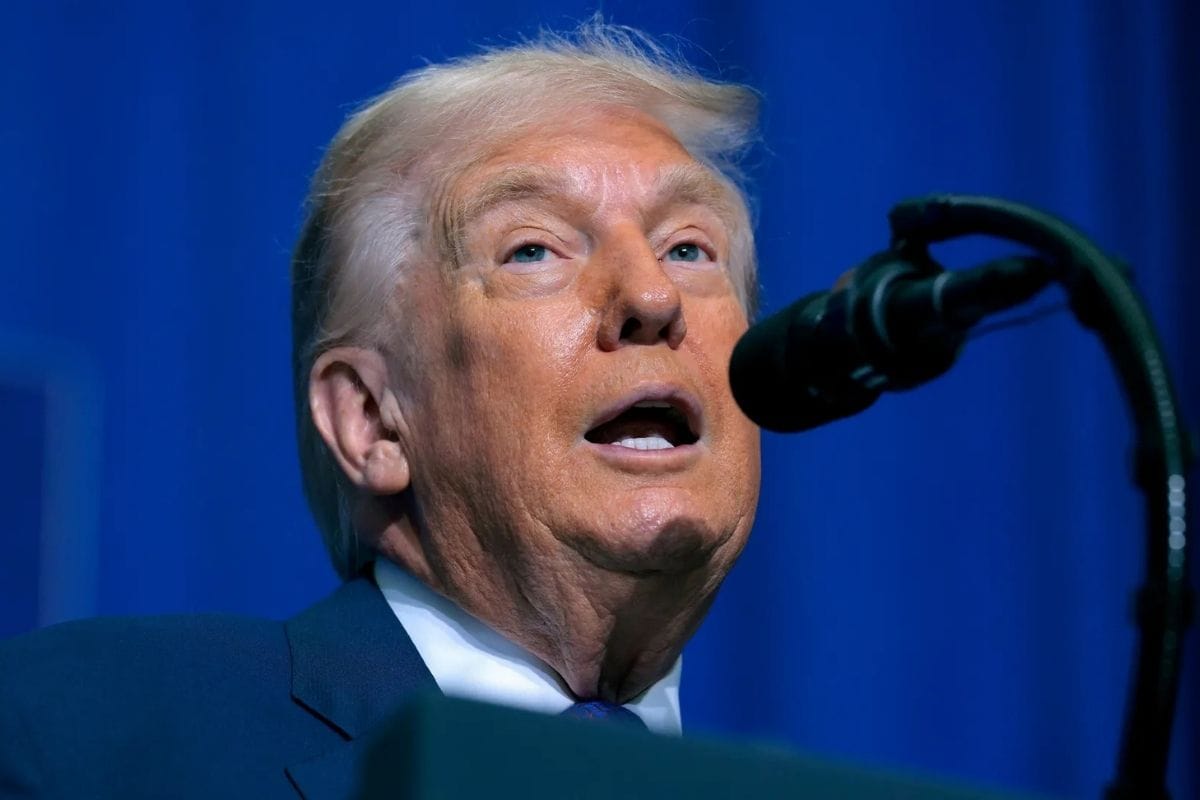
Former President Donald Trump has accused former President Barack Obama of disclosing classified information after Obama made remarks suggesting the existence of unidentified aerial phenomena, commonly referred to as UFOs.
Trump claimed that Obama’s public comments crossed a line by referencing material that should remain protected under national security protocols. The allegation has injected fresh political energy into a topic that already straddles the boundary between intelligence briefings and public curiosity.
The dispute reflects more than personal rivalry. It highlights the evolving role of government transparency in conversations about unidentified objects and extraterrestrial speculation.
What Obama Said And Why It Sparked Reaction
Barack Obama has previously acknowledged that the U.S. government possesses footage and data related to unidentified aerial phenomena (UAPs). In public interviews over the years, he has stated that certain sightings remain unexplained even after intelligence review.
Obama has not claimed that extraterrestrial life has been confirmed. Instead, he has described the existence of objects or aerial phenomena that authorities could not immediately identify.
Trump now argues that even referencing such classified assessments publicly may amount to improper disclosure.
The tension lies in interpretation. Obama framed his remarks as general acknowledgment of publicly known investigations. Trump framed them as overreach.
The disagreement underscores how sensitive the topic remains, even as agencies increase transparency around UAP investigations.
The Political Context Behind the Accusation
Trump’s criticism arrives at a time when both parties continue to debate government transparency. In recent years, Congress has required intelligence agencies to release periodic reports on unidentified aerial phenomena.
Those reports confirmed that the government has recorded unexplained aerial events. However, they did not conclude that the objects are extraterrestrial.
By accusing Obama of revealing classified material, Trump shifts the conversation from curiosity to national security.
The allegation also fits into a broader pattern of political confrontation between the two former presidents. Each statement carries symbolic weight, especially when tied to classified information. This dispute adds another layer to their long-running rivalry.
How the Government Handles UAP Information
In recent years, the Pentagon established dedicated offices to analyze and report on unidentified aerial phenomena. Officials have attempted to separate speculation from verified intelligence.
Most UAP cases remain categorized as either unresolved due to limited data or attributed to conventional explanations such as drones, atmospheric interference, or foreign surveillance technology.
Classified briefings provide lawmakers with detailed assessments that often exceed what becomes public.
Trump’s accusation raises a technical question: does acknowledging the existence of unexplained data constitute revealing classified information?
Legal experts note that presidents retain authority over classification decisions during their terms. Once they leave office, however, they no longer control declassification processes.
Obama’s prior remarks largely echoed information that government agencies have already confirmed publicly that unexplained sightings exist. Whether that crosses into disclosure territory remains contested.
Public Interest in the Alien Narrative
The topic of extraterrestrial life continues to generate significant public attention. Polls show a substantial portion of Americans believe intelligent life may exist beyond Earth.
When high-ranking officials comment on UAPs, the public response intensifies.
However, intelligence agencies consistently distinguish between “unidentified” and “extraterrestrial.” Unidentified simply means analysts lack enough information to reach a definitive conclusion.
Trump’s framing suggesting that Obama revealed secrets about aliens being “real” simplifies a much more nuanced intelligence issue. The political language surrounding the topic often amplifies intrigue beyond the evidence.
National Security vs. Transparency
The dispute also reflects an ongoing debate about how much the government should reveal about sensitive investigations.
Lawmakers have pressed for greater transparency around UAP programs, arguing that secrecy fuels conspiracy theories. Intelligence officials counter that certain technical details must remain classified to protect surveillance capabilities and defense infrastructure.
Presidential remarks about unexplained phenomena must navigate that balance carefully.
Trump’s allegation implies that Obama may have tipped too far toward openness. Obama’s defenders argue that he merely acknowledged what Congress and the Pentagon have already placed on record.
This tension illustrates the complexity of communicating about intelligence matters in the public sphere.
What Happens Next?
At this stage, Trump’s accusation remains political commentary rather than a formal legal challenge. No official review has been announced regarding Obama’s past statements.
The controversy may fade quickly or resurface depending on how future leaders address UAP transparency.
The broader conversation about unidentified aerial phenomena continues through congressional hearings and intelligence reporting cycles. Public interest shows no sign of slowing.
Strategic Takeaway: A Political Flashpoint in an Ongoing Mystery
The exchange between Trump and Obama reflects how even speculative subjects can evolve into national security debates.
Unidentified aerial phenomena remain under investigation. Government agencies continue to release periodic updates. Yet political narratives often shape how the public interprets those findings.
Trump’s accusation reframes the issue as one of classified disclosure. Obama’s prior remarks positioned it as cautious acknowledgment.
The difference reveals how leadership style influences communication around sensitive topics.
For now, the underlying reality remains unchanged: the government has acknowledged unexplained aerial incidents. It has not confirmed extraterrestrial life. The political conversation, however, continues to orbit the unknown.