Trump Appeals to Xi Over Jailed Hong Kong Publisher Jimmy Lai

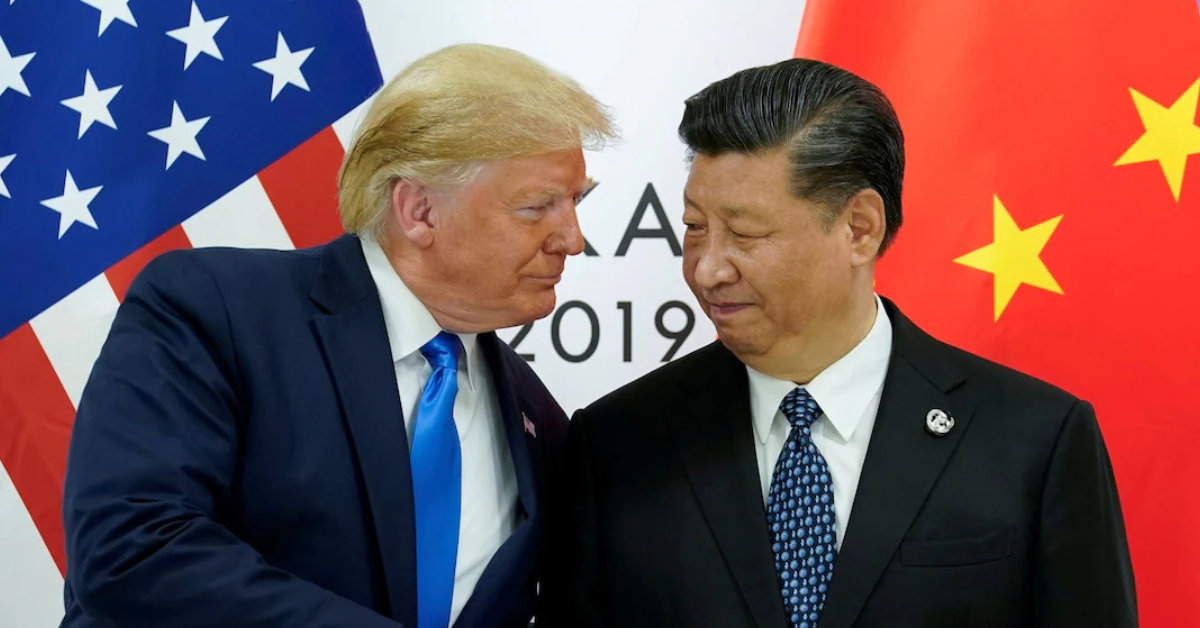
Donald Trump has publicly called on China’s president to free imprisoned Hong Kong media tycoon Jimmy Lai, reviving international attention on a case that has come to symbolise the erosion of press freedom under Beijing’s tightening grip on the city.
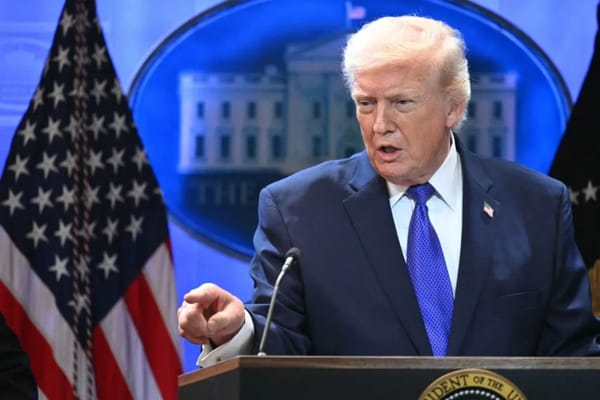
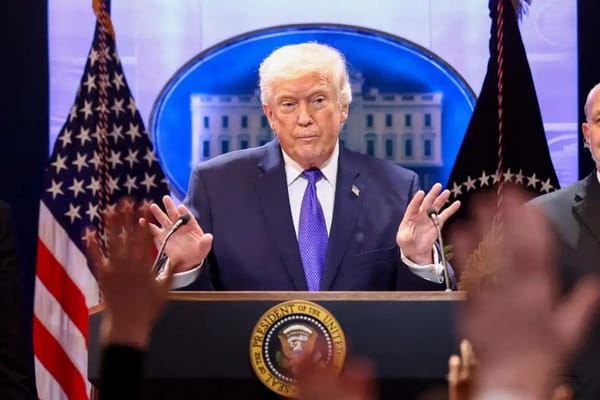
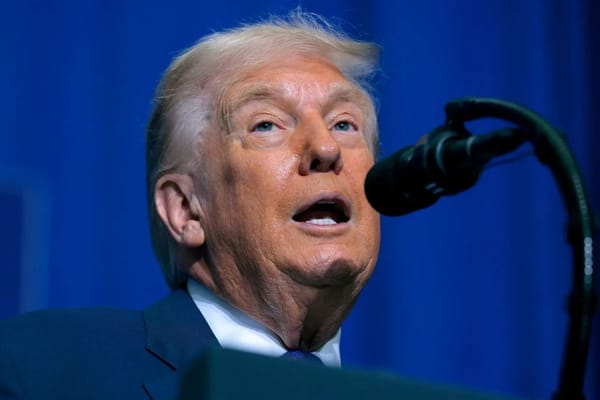
Donald Trump has urged Chinese President Xi Jinping to release Jimmy Lai, the imprisoned Hong Kong media tycoon whose prosecution has become one of the most internationally visible symbols of Beijing’s clampdown on dissent in the former British colony. The call, delivered publicly, re-injects Lai’s case into the global political conversation at a moment when attention on Hong Kong has gradually faded amid larger geopolitical crises.
Lai, the founder of the now-defunct pro-democracy newspaper Apple Daily, has been held in custody since 2020 and faces multiple charges under Hong Kong’s sweeping national security law, legislation imposed by Beijing after mass pro-democracy protests rocked the city in 2019. To supporters, Lai is a political prisoner targeted for his journalism and outspoken criticism of the Chinese Communist Party. But to Beijing, he is portrayed as a foreign-backed agitator who threatened national stability.
Why is Trump intervening in this situation
Trump’s intervention places the case back on a stage where it has increasingly struggled to remain. While Western governments have repeatedly criticised Lai’s detention and trial, the international focus has softened as China has tightened control over Hong Kong with little apparent cost, dismantling opposition parties, curbing civil liberties, and reshaping the city’s media landscape.
Trump’s appeal to Xi, however, is notable not only for its content but for its timing and framing. It casts the Lai case less as a legal matter and more as a personal decision resting with China’s leader, reinforcing the idea that Hong Kong’s autonomy now exists largely at Beijing’s discretion. It also reflects Trump’s long-standing tendency to personalise diplomacy, addressing geopolitical disputes through direct, leader-to-leader appeals rather than multilateral pressure.
What is Jimmy Lai’s story all about?
Jimmy Lai’s story has long carried symbolic weight. A self-made billionaire who fled mainland China decades ago, he built Apple Daily into one of Hong Kong’s most influential tabloids, combining sensationalism with unapologetically pro-democracy editorial lines. For years, the paper served as a loud counterweight to Beijing-friendly media in the city. Its closure in 2021, after police raids, asset freezes, and arrests, marked a decisive turning point in Hong Kong’s press freedom.
Lai himself has remained behind bars as his case winds slowly through the courts. He faces charges including collusion with foreign forces, a crime under the national security law that carries the possibility of life imprisonment. Lai has pleaded not guilty, and his lawyers have repeatedly argued that the charges criminalise journalism and political expression. Beijing and Hong Kong authorities reject that characterisation, insisting the case is about national security, not free speech.
Uncomfortable questions for the Western world
Trump’s call for Lai’s release reopens uncomfortable questions for Western governments about how much leverage they truly possess over China’s actions in Hong Kong. When the national security law was introduced, officials in the United States, Britain, and the European Union issued strong condemnations and imposed limited sanctions. Yet the law remains firmly in place, and its enforcement has only expanded.
For Beijing, Hong Kong is no longer a site for compromise. Officials have made clear that restoring order took precedence over preserving the city’s once-celebrated freedoms, and that criticism from abroad would not alter that trajectory. Against that backdrop, Trump’s appeal may carry more symbolic than practical weight.
Still, symbolism matters in a case like Lai’s. Human rights advocates argue that sustained international attention offers at least some protection, making it harder for authorities to quietly escalate penalties or accelerate convictions. Lai’s supporters have consistently pushed foreign leaders to speak his name publicly, believing silence carries its own risks.
Long-standing complications with China
Trump’s involvement also reflects his complicated history with China. During his presidency, he oscillated between sharp rhetoric and pragmatic deal-making, criticising Beijing on trade and security while at times praising Xi personally. His renewed focus on Lai suggests a willingness to frame human rights as part of his political messaging, even as critics note that his record on press freedom and dissent at home was often hostile.
Beijing, for its part, has shown little tolerance for what it considers foreign interference in its internal affairs. Chinese officials have repeatedly warned that cases like Lai’s are domestic matters and that external pressure only hardens their resolve. It remains unclear whether Trump’s comments will elicit any formal response from Chinese authorities.
How does the case resonate back home in Hong Kong?
In Hong Kong, Lai’s case continues to loom large for journalists, activists, and ordinary residents alike. For many, it represents the point at which the city’s once-distinct legal and media environment definitively shifted. Newsrooms that remain operational now operate under an unspoken understanding of limits, aware that lines once blurred are now sharply drawn.
Whether Trump’s call alters Lai’s fate is uncertain. What is clearer is that it revives an issue many governments have quietly deprioritised, forcing renewed attention on the human consequences of Hong Kong’s transformation. Lai, now in his mid-seventies, remains incarcerated as legal proceedings inch forward, his health and future the subject of growing concern among supporters.
The appeal to Xi does not change the underlying power dynamics. Beijing holds the cards, and Hong Kong’s courts now function within a framework designed to align with central authority. But the moment underscores how individual cases can still pierce geopolitical fatigue, reminding the world that behind abstract discussions of sovereignty and security lie human lives shaped by political decisions.
For now, Jimmy Lai remains in detention, his newspaper shuttered, his city transformed. Trump’s words add another layer to a story that has already come to define a generation of Hong Kong’s political history. Whether they lead to action or simply echo into the diplomatic void remains to be seen.