Trump Backed Nasry Asfura Leads Honduras Vote With 41% in Tight Race

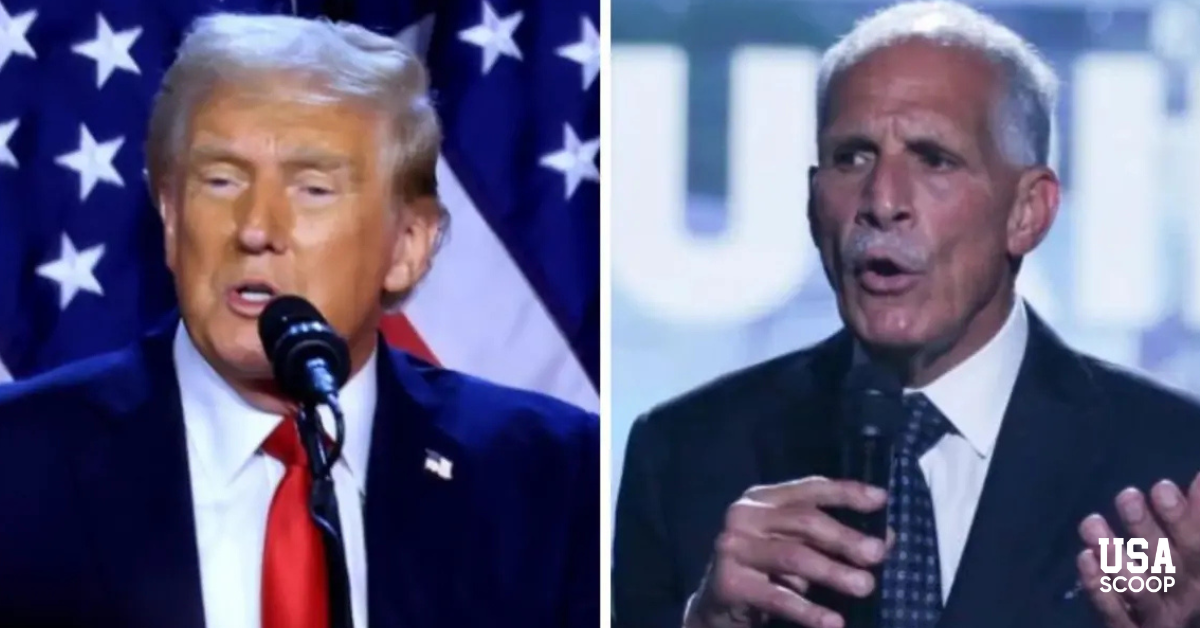
As returns trickle in, the Central American nation braces for uncertainty, with respect to a narrow margin, contested legitimacy, and high stakes for democracy, US influence, and national stability.
On Sunday, as millions of Hondurans went to the polls to select their next president, along with congressional representatives, mayors, and local officials, the atmosphere crackled with tension. Security forces were deployed, allegations of potential fraud flew in, and the international eyes rested especially on the role of foreign influence after US endorsement by Donald Trump for Asfura.
When early results began to emerge, they painted a picture of a race too close to call. With roughly 40% of votes tallied, Asfura led with about 41%, a narrow edge over centrist Salvador Nasralla, who stood at about 39%. Meanwhile, left-wing contender Rixi Moncada, of the ruling LIBRE party, trailed with roughly 20 %.
The numbers are raw, incomplete, and volatile, and in a country with a history of contested elections and fragile faith in electoral institutions, even the lead is fragile.
Catalyst or Catalyst for Chaos?
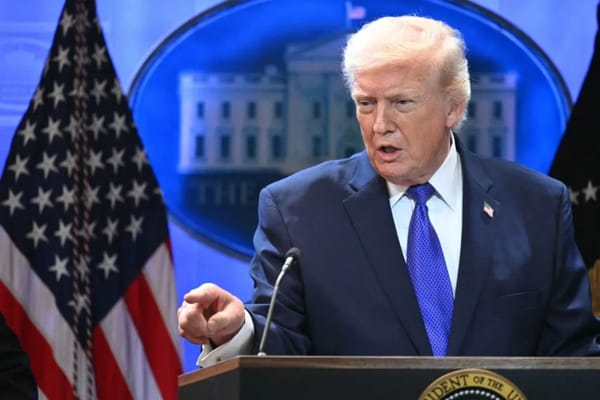
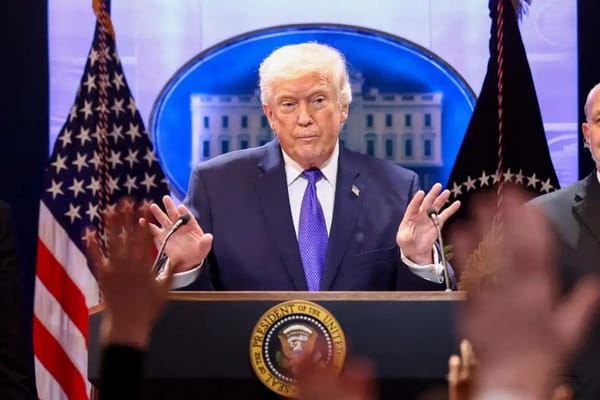
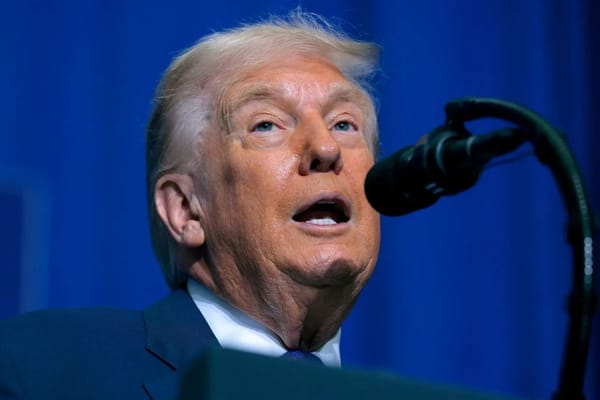
Asfura’s lead cannot be separated from the polarising influence of external pressure. In the closing days before the vote, Trump publicly threw his support behind him, framing the election as a battle against narco-communists, and indicating possible US aid cuts should Asfura lose the battle.
He even promised clemency for former President Juan Orlando Hernández, convicted in the US on drug-trafficking charges, a move that added more fuel to an already combustible political climate.
For many Hondurans, this overt foreign involvement has felt invasive and also a stark reminder that internal politics in the country have long been shaped by outside influence. It also reiterated the fear, or hope, depending on perspective, that Honduras’s survival depends on aligning with powerful foreign allies. Either way, the endorsement has sharpened existing divisions and left the legitimacy of the process hanging in the balance.
Exit Polls, Accusations and a Public With Short Memory
Allegations of potential fraud and institutional weakness have shadowed the campaign from its earliest days. Opposition groups released an audio that purportedly showed members of the electoral council and military officers planning to influence vote counts. The governing party also condemned those as crude manipulations, and the opposition saw them as proof of a looming electoral coup.
In this environment, no result, however promising, can immediately calm the existing anxieties. Regardless of who eventually emerges as the winner, many Hondurans already appear wary and fearful of the post-election unrest, as when democracy itself has repeatedly shown fragility, a narrow lead becomes just another fragment in a larger uncertainty.
For Honduras, the election is about a decision about direction, over whether to lean toward conservative policies with promises of foreign investment and alignment with US regional strategies (as offered by Asfura), or to chart a different path, centrist or leftist, perhaps focused on social reforms, economic justice, and distancing from external interference.
Internationally, too, the result will reverberate, as should Asfura succeed, it will mark a clear shift toward right-wing governance in Latin America, consolidating the US influence in a region increasingly contested by China and Russia via economic and diplomatic channels. But if he loses, especially after a close vote and foreign pressure, it may amplify the skepticism toward foreign endorsements and interventions in sovereign elections.
Within Honduras, the aftermath may decide whether hopes for institutional reform, electoral transparency, social welfare, and rule of law survive or give way to renewed cynicism and disillusionment, especially if allegations of manipulation grow louder.
What Could Happen Once Every Vote Is Counted
If Asfura’s lead does hold, his path forward might be marked by both opportunity and struggle. He will likely attempt to shift economic policy toward investment-led growth, revisit foreign alliances, and align Honduras more closely with US strategic interests. But given the margin and the backdrop of mistrust, his legitimacy could remain contested, sparking protests or demands for recounts, which could stretch political stability thin.
If Nasralla or Moncada overtakes him, or if the results remain disputed, the uncertainty will also deepen. The country may enter weeks of tension as ballots and allegations collide.
In either scenario, the institutional credibility of Honduras will be tested, from its electoral authority, judiciary, security institutions, and even its civil society. How they respond may set a precedent for future Latin American polls amid similar pressure or interference.
For Hondurans, and the Region, a Moment of Reckoning
This election has always been a mirror reflecting decades of political churn, social division, institutional fragility, and outside influence that have shaped Honduras’s path for generations.
For voters, for those waiting to see if promises of better security, growth, or justice will materialize, the near-final results will test whether trust, faith, and hope remain alive in a country forced to rebuild its identity through crisis, scandal, reform, and resilience.
In the case of observers around the world, the fate of this contest will serve as a bellwether for US influence in Latin America and the strength of emerging democracies.
In the quiet hours before the final count, as ballots continue to be tallied and tensions continue to simmer, one thing is certain: i.e. Honduras is voting for what kind of future it believes it deserves.