Trump Backs Off Greenland Tariffs After NATO Talks, Teases New Arctic Deal
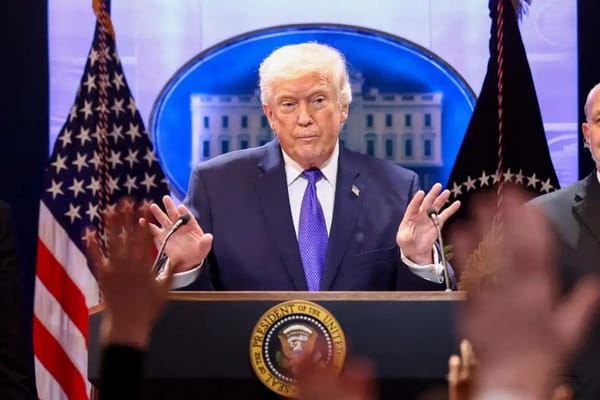
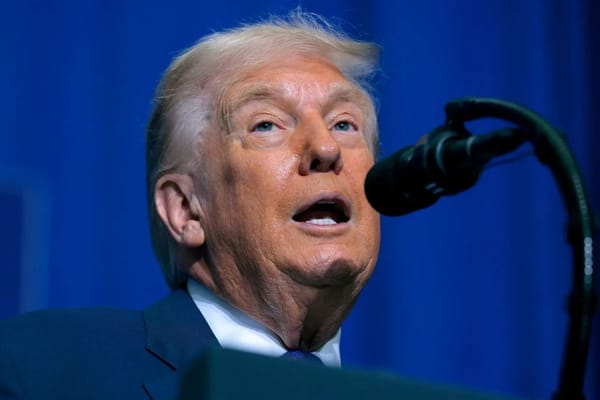
After weeks of sharp rhetoric that unsettled allies across Europe, President Donald Trump struck a noticeably calmer tone this week on the future of Greenland. Following talks with NATO leaders, Trump said the United States and its partners have discussed what he described as a “framework of a future deal” involving Greenland and the wider Arctic region while backing away from previously threatened tariffs on European allies.
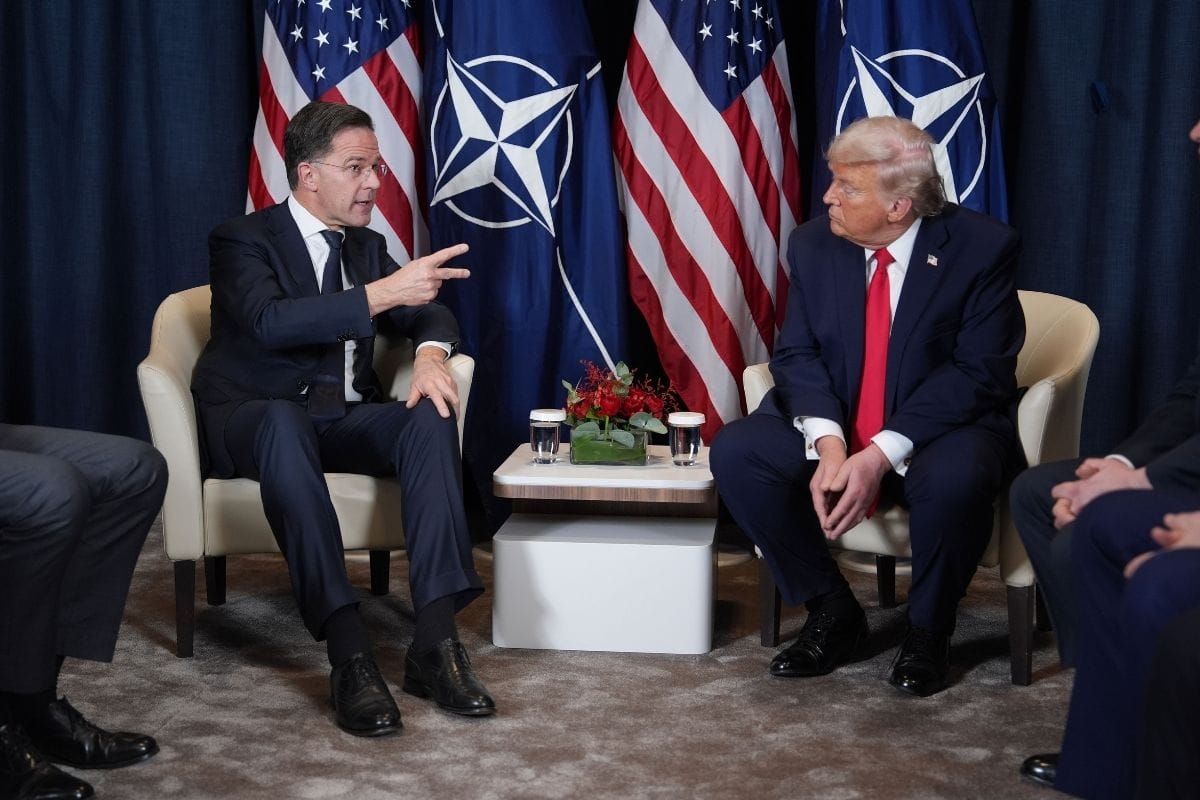
The shift came after Trump met with NATO Secretary General Mark Rutte on the sidelines of the World Economic Forum in Switzerland. While details remain sparse, both sides described the discussions as “very productive,” a marked change from the tense atmosphere that had dominated transatlantic relations in recent weeks.
A Sudden Change in Tone
For much of the past month, Trump had openly pressured European nations that opposed his idea of the U.S. acquiring Greenland. He threatened sweeping tariffs on goods from Denmark, the UK, Germany, France, and several other NATO allies, framing the issue as a matter of American national security.
But following the NATO meeting, Trump announced on social media that those tariffs would not go into effect as planned.
“We have formed the framework of a future deal with respect to Greenland and, in fact, the entire Arctic Region,” Trump wrote. “This solution, if consummated, will be a great one for the United States of America and all NATO Nations.”
The statement marked a clear retreat from talk of a looming trade war, though it stopped well short of outlining what any future agreement might actually look like.
No Deal on Ownership
Despite Trump’s optimistic language, diplomatic sources were quick to downplay expectations. Officials familiar with the discussions stressed that there is no agreement for American ownership or control of Greenland, which remains an autonomous territory within the Kingdom of Denmark.
Trump has repeatedly insisted that the U.S. needs to “own” Greenland to properly defend it, previously dismissing alternatives such as long-term leases or expanded security partnerships. However, following his meeting with NATO leadership, there was no indication that Denmark or Greenland had shifted their long-standing position that the island is not for sale.
Danish Foreign Minister Lars Løkke Rasmussen acknowledged a more constructive tone after the talks, saying the day “ended on a better note than it began.”
“Now, let’s sit down and find out how we can address the American security concerns in the Arctic while respecting the red lines of the Kingdom of Denmark,” Rasmussen said.
What Might Be on the Table?
In comments to reporters after the NATO meeting, Trump suggested that any future arrangement could involve cooperation on mineral resources, a long-standing point of U.S. interest in Greenland. The island holds vast, largely untapped reserves of rare earth minerals that are critical for modern technologies such as electric vehicles, smartphones, and defense systems.
“It’s the ultimate long-term deal,” Trump said. “It puts everybody in a really good position, especially as it pertains to security and to minerals. It’s a deal that’s forever.”
NATO officials, however, were careful to draw limits around the alliance’s role. Secretary General Rutte said that questions of Danish sovereignty over Greenland were not discussed during his meeting with Trump.
NATO later clarified that any talks involving Greenland would be led directly by Denmark, Greenland, and the United States not the alliance itself.
That reassurance came amid concerns from Greenlandic lawmakers, including Aaja Chemnitz, who warned that decisions about the island’s resources must not be made without Greenland’s direct involvement.
“Nothing about us without us,” she said.
Military Presence Already in Place
The United States already maintains a military footprint in Greenland, with more than 100 personnel stationed at the Pituffik Space Base on the island’s northwest coast. Under existing agreements with Denmark, Washington has broad rights to expand its presence if needed.
Some U.S. media reports suggest that any future arrangement could resemble the status of British bases in the Cyprus territories that remain under national sovereignty but host permanent foreign military installations.
Such a model could allow the U.S. to expand operations without formally acquiring the island, a compromise that may be more acceptable to Denmark and Greenland.
Tariffs Off the Table For Now
Perhaps the most immediate outcome of the NATO talks was Trump’s decision to suspend his threat of tariffs. The president had planned to impose a 10% tariff on goods from several NATO allies starting February 1, rising to 25% later in the year if no deal was reached.
“Based upon this understanding, I will not be imposing the tariffs that were scheduled to go into effect,” Trump announced.
European leaders welcomed the move but remained cautious. French President Emmanuel Macron, who had earlier criticized Trump’s tariff threats as “fundamentally unacceptable,” continued to urge restraint and diplomacy.
Despite the softer tone on tariffs, Trump’s broader message remained firm. Speaking at the World Economic Forum in Davos, he reiterated that the U.S. views Greenland as vital to global security, but stated that he would not use military force to acquire it.
“I don’t want to use force. I won’t use force,” Trump said. “But Greenland is imperative for national and world security.”
A Delicate Balancing Act Ahead
For now, Trump’s shift has eased immediate tensions, but many questions remain unanswered. European leaders are watching closely to see whether the “framework” he referenced leads to meaningful negotiations — or simply delays another round of confrontation.
Greenland’s future continues to sit at the crossroads of security, resources, and geopolitics. And while the rhetoric may have cooled, the underlying disagreements between Washington and its allies are far from resolved.
What comes next will depend on whether diplomacy can deliver what threats could not a solution that satisfies U.S. security ambitions while respecting the sovereignty of Greenland and Denmark.
For the moment, at least, the temperature has dropped in an Arctic debate that had been heating up fast.