Trump Backs Off Minnesota Crackdown After Second Fatal ICE Shooting

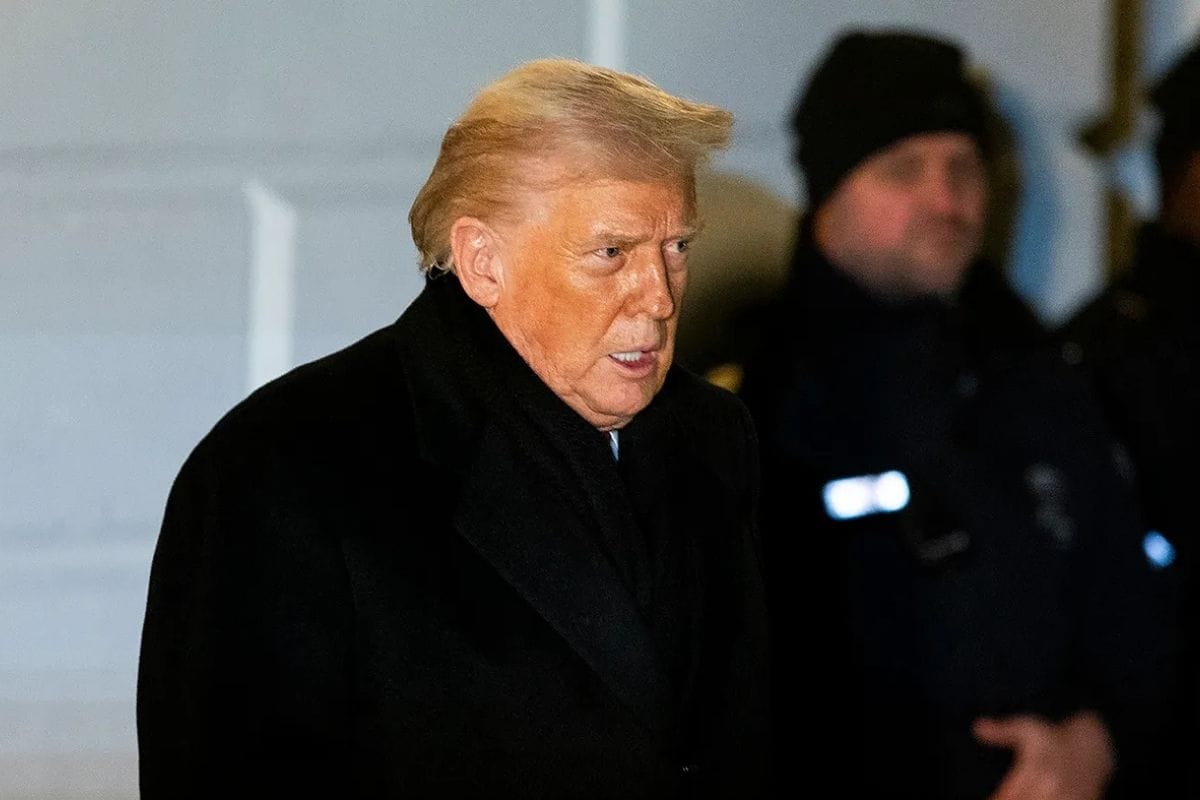
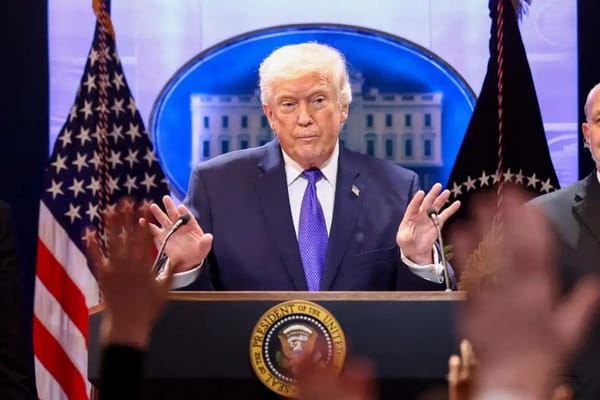
President Donald Trump said his administration plans to “de-escalate a little bit” in Minnesota following the fatal shooting of Alex Pretti, an intensive care nurse who was killed during an encounter with federal immigration agents over the weekend. His death marked the second time this month that a U.S. citizen has been killed by federal officers in the state, intensifying protests and drawing bipartisan criticism nationwide.
Speaking in a Fox News interview on Tuesday, Trump described the recent deaths as “terrible,” referring both to Pretti and to Renee Good, a Minneapolis resident who was shot and killed by an immigration officer earlier in January.
“Bottom line, it was terrible. Both of them were terrible,” Trump said.
The president’s remarks suggest a shift in tone after weeks of aggressive immigration enforcement operations in Minnesota, which have included the deployment of thousands of federal agents and officers as part of what the administration described as a public safety crackdown.
A Second Death Rekindles Outrage
Alex Pretti, 37, worked as an intensive care nurse at a veterans’ hospital and was well known in his community. He was killed during a confrontation with border agents while filming an immigration enforcement action in Minneapolis. His death came just two weeks after Renee Good, also 37, was fatally shot during a separate ICE-related incident.
Together, the two shootings ignited widespread protests across Minnesota and beyond, with demonstrators demanding the removal of federal immigration agents from the state. City and state leaders warned that tensions were spiraling and that continued heavy enforcement risked more bloodshed.
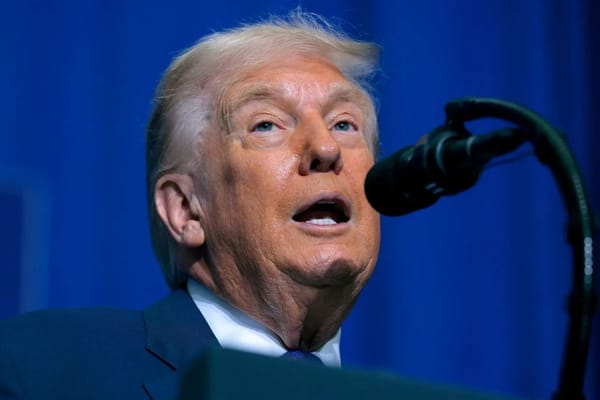
At a rally in Iowa later Tuesday night, Trump acknowledged Pretti’s death as “a very unfortunate incident” but avoided discussing the case in detail. He also pushed back on reports that federal officials had labeled Pretti a “domestic terrorist.”
“I haven’t heard that,” Trump told reporters when asked.
However, he added one pointed remark: “He shouldn’t have been carrying a gun.”
Conflicting Accounts of What Happened
That statement reflects one of the most contentious aspects of the case, what exactly occurred in the moments before Pretti was shot.
Homeland Security Secretary Kristi Noem initially said Pretti was “brandishing” a firearm and accused him of attempting to incite violence. She described his actions as domestic terrorism, a characterization that immediately drew backlash from local officials, eyewitnesses, and Pretti’s family.
According to Minnesota authorities, Pretti was a legal gun owner with a properly registered firearm. They said he was not threatening agents and that he was shot after the gun had already been removed. Multiple witnesses stated that Pretti was holding a phone, not a weapon, at the time he was shot.
A preliminary internal report by Customs and Border Protection appears to complicate the federal government’s initial account. The document states that two agents fired their weapons but does not say Pretti was reaching for his gun. That omission has raised new questions about whether deadly force was justified.
Federal judges have since ordered that all evidence related to the shooting be preserved, blocking any alteration or destruction of records while investigations continue.
Leadership Change Signals a Shift
On Monday, the Department of Homeland Security quietly pulled Gregory Bovino, the Border Patrol official who had been overseeing operations in Minnesota, from his post in the state. Bovino had become a visible and controversial figure during the crackdown, frequently defending aggressive tactics and blaming protesters for violence.
In his place, the White House dispatched Tom Homan, the administration’s border enforcement chief, to take over operations. Homan said he met Tuesday with Minnesota Governor Tim Walz, Minneapolis Mayor Jacob Frey, and local law enforcement officials.
The move was widely interpreted as an attempt to calm the situation and reset strained relationships with state and city leaders.
Trump appeared to back that approach, saying, “We have Tom Homan there now,” before reiterating that the administration would de-escalate its presence.
Defending the Crackdown — With Caveats
Despite signaling a pullback, Trump defended the broader immigration operation in Minnesota, claiming it had reduced crime.
“We took thousands of hardened criminals out of the state,” he said. “So they have good crime numbers.”
White House aide Stephen Miller echoed that defense, saying federal agents had been instructed to focus on fugitive operations and to act as a buffer between arrest teams and protesters. He acknowledged, however, that the administration was reviewing whether agents followed that guidance during Pretti’s encounter.
“We are evaluating why the team may not have been following that protocol,” Miller said.
Bipartisan Calls for Accountability
The shootings have sparked concern even among Republicans who typically support tough immigration enforcement. Vermont Governor Phil Scott and Nebraska Senator Pete Ricketts both called for transparent investigations into Pretti’s death.
“The nation witnessed a horrifying situation this weekend,” Ricketts wrote, adding that while he still supports funding for ICE, accountability is essential.
Democrats have gone further, threatening to block funding for the Department of Homeland Security unless changes are made, raising the possibility of another federal budget showdown.
A State on Edge
In Minnesota, the mood remains tense. Protests continue, though many residents say they are watching closely to see whether the promised de-escalation actually materializes.
Governor Walz has repeatedly urged the Trump administration to withdraw federal agents, warning that the current approach is unsustainable. Mayor Frey has echoed those concerns, saying Minneapolis cannot heal while armed federal operations continue in residential neighborhoods.
For Pretti’s family, the political debate offers little comfort.
They have rejected claims that he was violent or dangerous, describing him as a caring nurse, a lawful citizen, and someone who believed in documenting government actions peacefully.
As investigations move forward, Minnesota finds itself at the center of a national reckoning over immigration enforcement, police use of force, and the limits of federal power.
Trump’s promise to “de-escalate” may mark the first step toward easing tensions but for many in the state, trust will depend not on words, but on what happens next.