Trump Claims Maduro Captured After U.S. Strikes Rock Venezuela
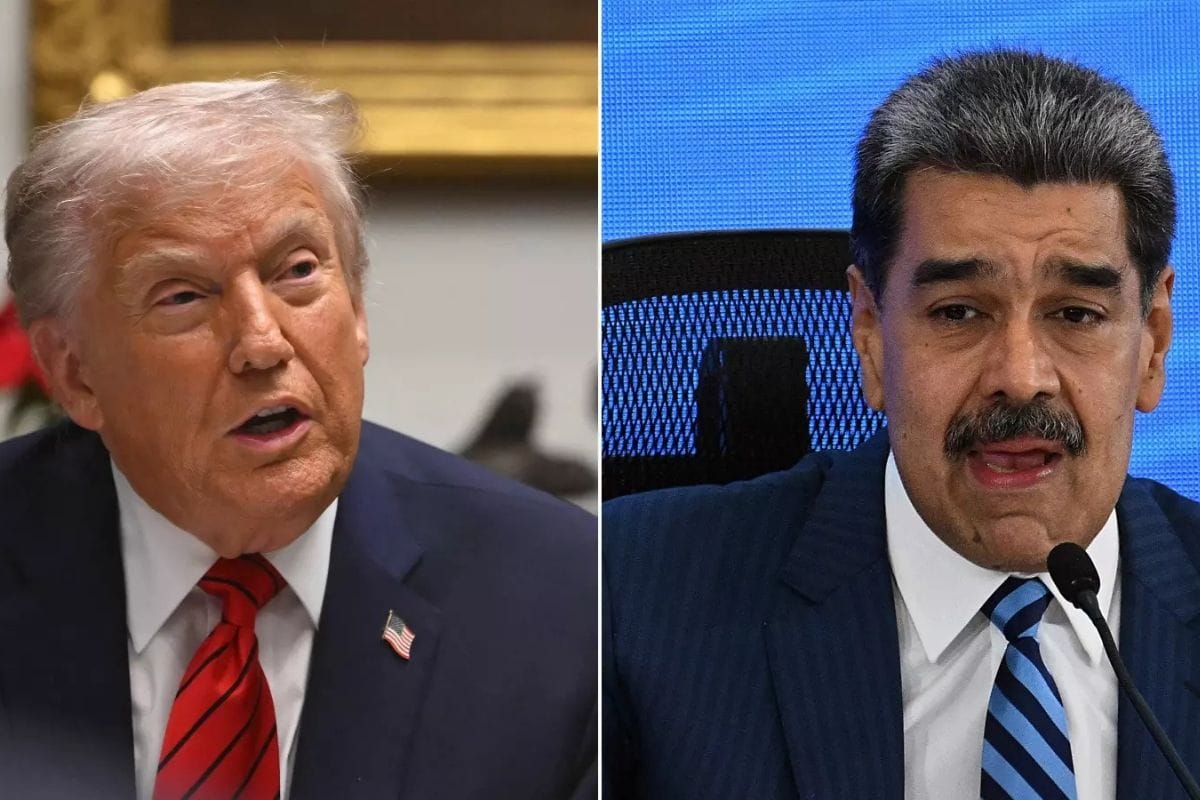
In a dramatic overnight development that stunned the international community, President Donald Trump announced early Saturday that Venezuelan leader Nicolás Maduro and his wife, Cilia Flores, had been captured by U.S. forces following a large-scale military operation targeting sites around the capital, Caracas.
The announcement came after residents across several Venezuelan regions reported explosions, aircraft flying low over cities, and widespread power outages in the early hours of the morning. While details remain limited and contested, Trump described the operation as a decisive strike that removed Maduro from power after more than a decade of authoritarian rule.
A Sudden Announcement From Washington
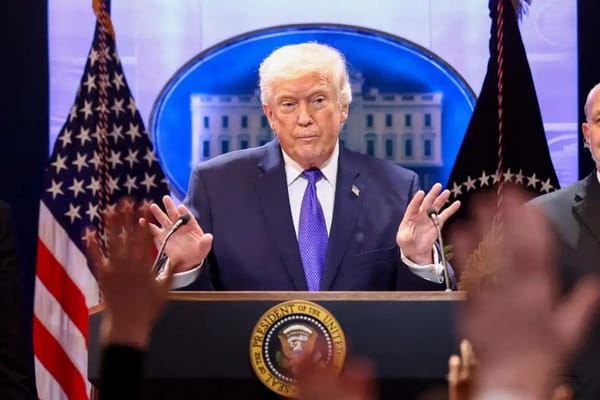
Trump revealed the operation through a social media post shortly after it concluded, stating that U.S. forces had successfully carried out a coordinated strike against Venezuelan military targets and captured Maduro and his wife. According to the president, the two were flown out of Venezuela and taken into U.S. custody, where Maduro is expected to face long-standing criminal charges.
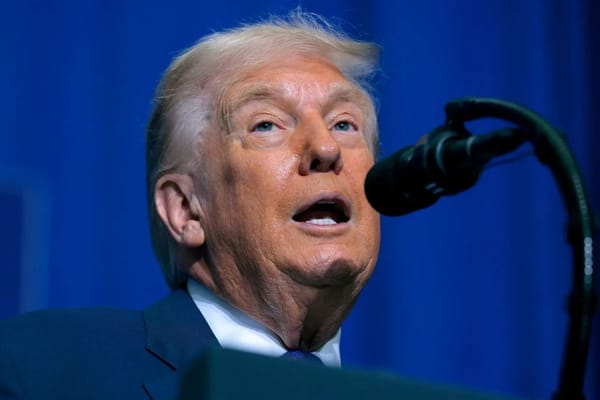
“This operation was done with a lot of planning and extraordinary precision,” Trump later said, praising U.S. troops and law enforcement agencies involved. He described the mission as “brilliant,” though he did not immediately provide specifics about how the capture unfolded or where Maduro was being held.
The White House has not yet released a detailed timeline of events, and U.S. defense officials have remained largely silent as the situation continues to evolve.
Explosions and Airstrikes Shake Caracas
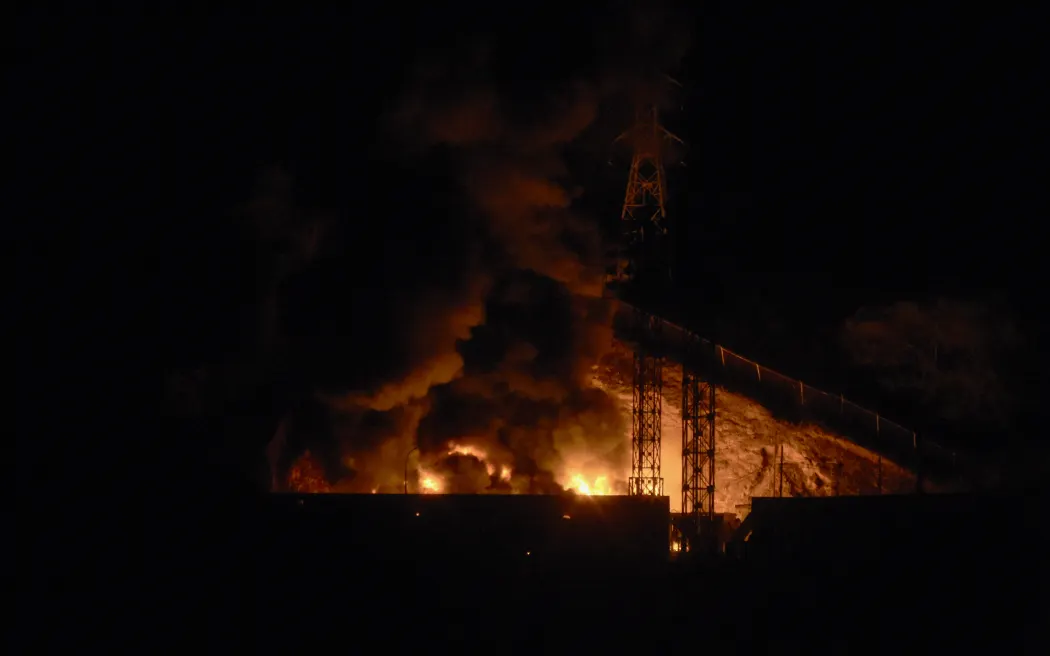
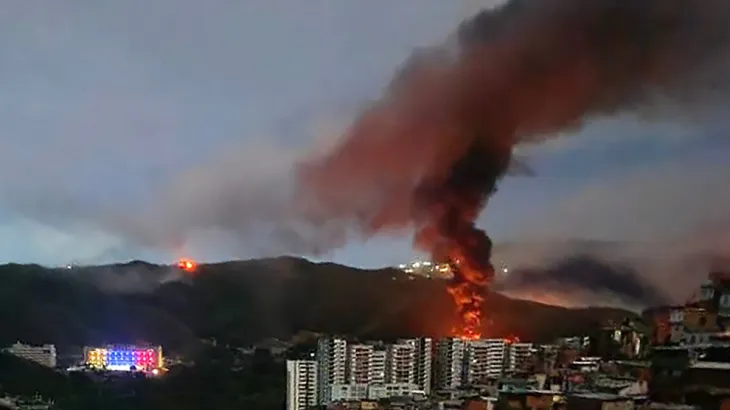
The announcement followed reports of at least seven explosions heard across Caracas and surrounding states, including Miranda, Aragua, and La Guaira. Witnesses described powerful blasts that rattled buildings and sent plumes of smoke into the sky. Low-flying aircraft were seen overhead, and several neighbourhoods lost electricity during the strikes.
Photos circulating locally showed fires burning at Fort Tiuna, Venezuela’s largest military complex, located in the heart of the capital. The base has long been considered a key stronghold of Maduro’s regime.
Residents described scenes of confusion and fear as the explosions began around 2 a.m. local time.
“The ground shook beneath us,” said one Caracas resident. “We heard planes, then explosions. It felt like the air itself was hitting us.”
Confusion Inside Venezuela’s Government
As news of the alleged capture spread, Venezuelan officials struggled to present a unified response. Vice President Delcy Rodríguez, who would assume power under Venezuelan law if Maduro were incapacitated, said she had no confirmation of his whereabouts.
“We demand proof of life,” Rodríguez said in a public statement, calling the reports deeply alarming and accusing the U.S. of aggression.
The Venezuelan government quickly condemned the strikes, calling them a violation of international law and the United Nations charter. Officials accused Washington of attempting to seize Venezuela’s strategic resources, particularly its oil reserves, under the guise of military intervention.
“This is an attack on our sovereignty,” the government said in a statement. “The Venezuelan people will defend their independence.”
A state of emergency was declared, and national defense plans were activated. Government officials urged citizens to take to the streets in defense of the country, invoking historical figures from Venezuela’s independence movement.
International Reactions Pour In
The alleged operation sparked swift reactions from leaders across Latin America and beyond. Colombian President Gustavo Petro said Venezuela had been “attacked” and called for an emergency meeting of the Organization of American States and the United Nations.
“They are bombing Caracas,” Petro wrote. “The world must respond.”
Cuba strongly condemned the strikes, with President Miguel Díaz-Canel calling them “criminal” and accusing the U.S. of state terrorism. Other regional allies echoed similar concerns, warning that the situation could destabilize South America.
Iran and Russia, both long-time supporters of Maduro, have yet to issue formal responses, though diplomats indicated concern behind closed doors.
U.S. Tightens Security Measures
In response to the ongoing military activity, the Federal Aviation Administration banned U.S. commercial flights over Venezuelan airspace. The U.S. Embassy in Caracas urged American citizens to leave the country immediately, citing safety concerns.
The move came amid already strained relations between Washington and Caracas, which have included economic sanctions, diplomatic expulsions, and accusations of narco-terrorism against Maduro.
Maduro has been charged by U.S. authorities with drug trafficking and links to criminal networks. For years, Washington has offered rewards for information leading to his arrest.
Maduro’s Final Days in Power?
Just days before the reported capture, Maduro appeared on Venezuelan state television, accusing the U.S. of plotting regime change and seeking access to Venezuela’s oil wealth. He also claimed his government was open to talks with Washington to combat drug trafficking, a statement that now appears overtaken by events.
The strikes also came shortly after reports of U.S. drone operations off Venezuela’s coast, targeting suspected drug smuggling routes. Several Americans were reportedly detained in Venezuela during the recent escalation, adding to tensions.
One of those detainees, a New York resident travelling through Latin America, has claimed he was wrongfully held while crossing the border.
What Comes Next?
Despite Trump’s announcement, many questions remain unanswered. U.S. officials have yet to confirm the exact location of Maduro, and Venezuelan authorities insist they have not been presented with proof of his capture.
Legal experts say that if Maduro is indeed in U.S. custody, the implications would be historic, marking one of the most dramatic foreign interventions in recent memory.
Meanwhile, Venezuela stands on edge. Streets remain tense, communications are disrupted in some areas, and citizens are bracing for what could be a prolonged period of uncertainty.
Whether Trump’s claim marks the end of Maduro’s rule or the beginning of a wider regional crisis remains unclear. What is certain is that the events of this early morning have reshaped the political landscape of Venezuela and possibly the hemisphere overnight.