Trump Deletes Racist Video Depicting Obamas as Apes After Massive Backlash
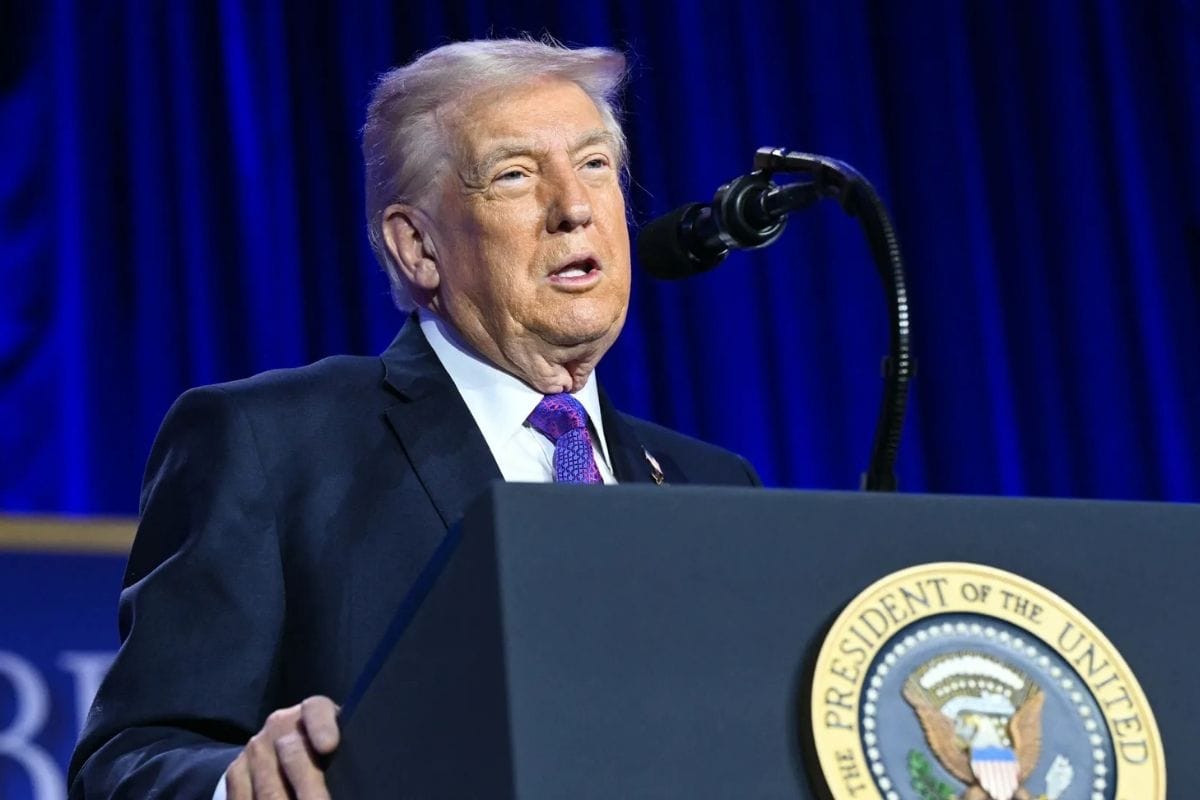
US President Donald Trump has removed a social media video that triggered widespread outrage after it included a racist clip portraying former President Barack Obama and former First Lady Michelle Obama as apes.
The clip appeared at the end of a 62-second video shared on Trump’s Truth Social account late Thursday night. The video mostly focused on claims of voter fraud in the 2020 presidential election, claims that have long been debunked. But what drew immediate attention was the final few seconds, which many viewers described as deeply offensive and racially charged.
Within hours, backlash poured in from civil rights groups, Democrats, and members of Trump’s own party. By Friday, the video was removed.
Trump Says He Didn’t See the Racist Clip
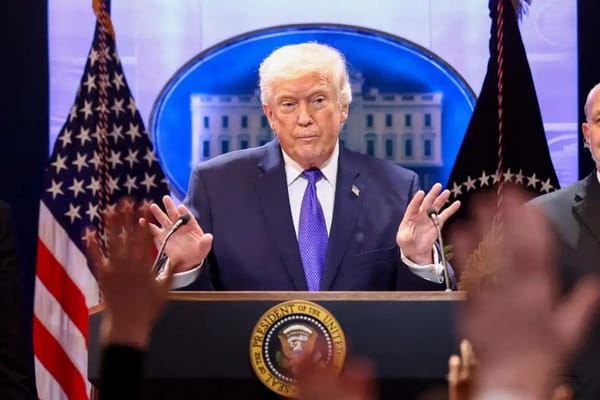
Speaking to reporters aboard Air Force One, Trump defended himself, saying he did not knowingly approve the racist imagery.
“I didn’t make a mistake,” Trump said. He explained that he had only watched the beginning of the video before it was posted and that a staff member uploaded it without him seeing the entire clip.
“I look at thousands of things,” he added. “I saw the beginning, I liked the message about voter fraud, and I handed it off to people who normally review the full video.”
Trump said that if staff had watched it carefully, “they probably would have had the sense to take it down.”
The White House later confirmed that a staffer had “erroneously” posted the video and said it was removed as soon as the issue was discovered.
Video Draws Immediate Condemnation
The clip showed Barack and Michelle Obama depicted as apes, a comparison that echoes centuries-old racist stereotypes used to dehumanize Black people. The video was set to the song The Lion Sleeps Tonight and was taken from a meme originally shared on social media months earlier.
That meme also depicted other Democratic figures, including Joe Biden, Hillary Clinton, and New York Representative Alexandria Ocasio-Cortez, as animals. But critics said the portrayal of the Obamas crossed a clear line into explicit racism.
The Obamas have not publicly commented on the video.
Republicans Break Ranks
One of the most striking aspects of the backlash was that it came not only from Democrats but also from prominent Republicans.
South Carolina Senator Tim Scott, a close Trump ally and the only Black Republican in the Senate, called the video “the most racist thing I’ve seen out of this White House.”
“I’m praying it’s fake,” Scott wrote, adding that the post should be removed immediately.
New York Republican Representative Mike Lawler also condemned the video, calling it “wrong and incredibly offensive,” whether intentional or not. Utah Senator John Curtis said it was “blatantly racist and inexcusable” and should never have been posted.
Even after the video was taken down, criticism continued, with lawmakers questioning how such content could have made it onto a presidential social media account in the first place.
White House Response Shifts
Initially, the White House tried to brush off criticism. Press Secretary Karoline Leavitt described the video as an “internet meme” and accused critics of “fake outrage.”
But that tone quickly changed as pressure mounted. By the end of the day, the administration acknowledged the mistake, confirmed the video was removed, and placed responsibility on a staff member.
According to US media reports, Florida Representative Byron Donalds, another Trump supporter, personally contacted the White House and was told that the staffer involved had “let the president down.”
The White House has not yet clarified how many people have access to Trump’s Truth Social account or what approval process exists for posts.
Civil Rights Groups React Strongly
Civil rights leaders were quick to condemn the video.
Derrick Johnson, president of the NAACP, called the clip “disgusting and utterly despicable.” He accused Trump of using racism as a distraction from other controversies, including renewed attention on the Epstein files and economic concerns.
Former Obama adviser Ben Rhodes said the video would ultimately reflect badly on Trump, not the Obamas.
“Future Americans will embrace the Obamas as beloved figures,” he said, “while studying Trump as a stain on our country.”
Democrats Condemn Trump’s History of Racism
Democratic leaders were unified in their response.
Illinois Governor JB Pritzker bluntly said, “Donald Trump is a racist.”
California Governor Gavin Newsom’s office called the behavior “disgusting” and urged Republicans to denounce it publicly.
House Minority Leader Hakeem Jeffries went even further, describing Trump as “vile, unhinged, and malignant,” and demanded that every Republican lawmaker speak out.
Jeffries pointed out that this was not an isolated incident, referencing past attacks Trump has made using racially charged imagery and language.
A Pattern That Fuels Criticism
The controversy has revived long-standing criticism of Trump’s rhetoric toward Barack Obama. Before entering politics, Trump spent years promoting the false claim that Obama was not born in the United States, a conspiracy theory widely condemned as racist.
Although Trump later acknowledged that Obama was born in Hawaii, critics argue that the recent video fits into a broader pattern of attacks that rely on demeaning and racially coded messaging.
The clip also reinforced concerns about Trump’s continued promotion of false voter fraud claims related to the 2020 election claims that have already led to major legal consequences for several media outlets and individuals.
Questions Remain
While the video is no longer online, the incident has left unanswered questions about oversight, accountability, and judgment within Trump’s inner circle.
For many critics, the removal of the video does not erase the harm caused or the concern that similar content could surface again.
As the political climate grows more heated ahead of upcoming elections, the episode highlights how quickly social media can amplify controversy and how damaging a few seconds of video can be when it touches on race, history, and power.