Trump Floats Big Payback Check for U.S. Oil Firms in Venezuela
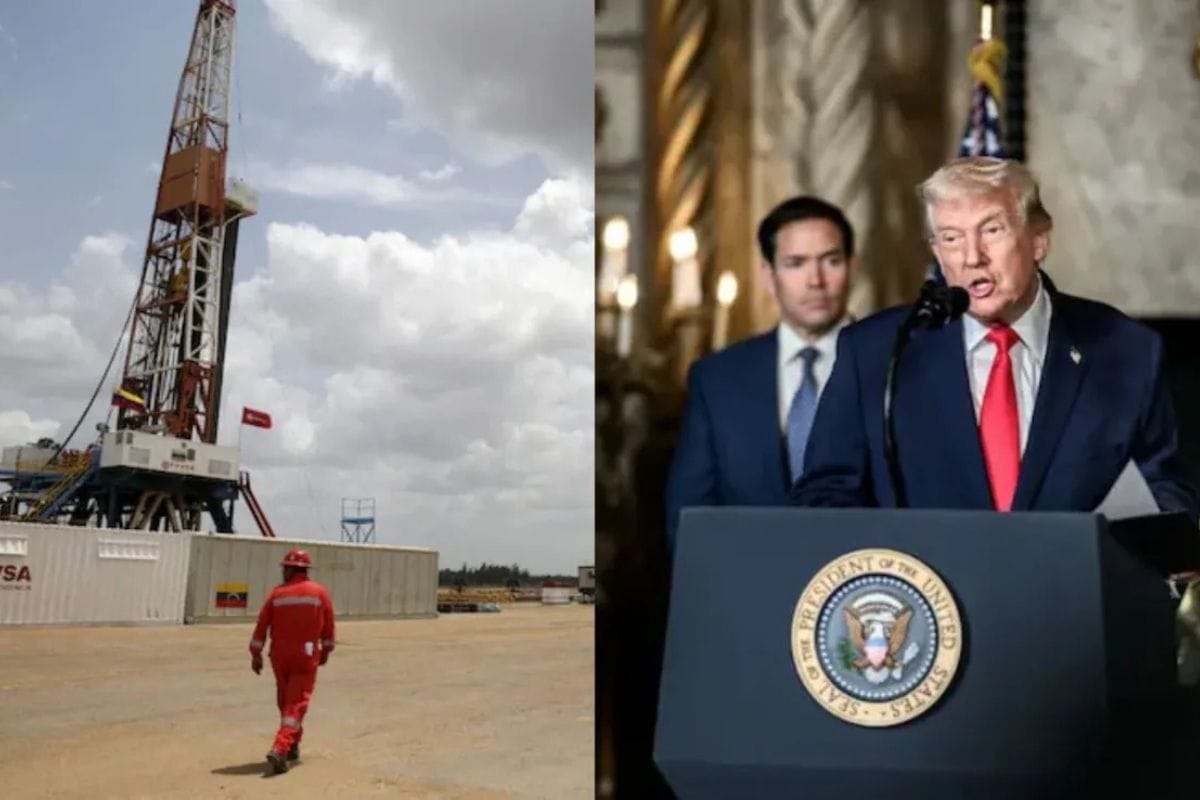
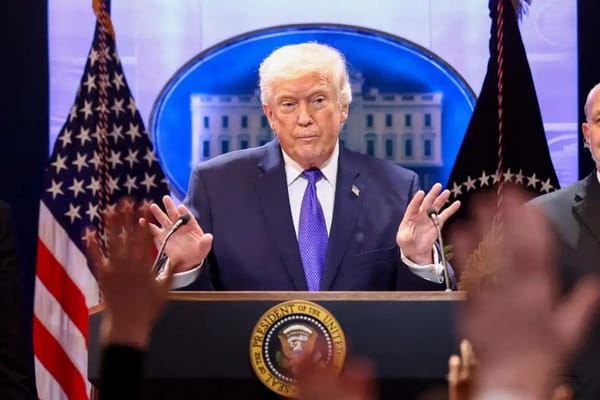
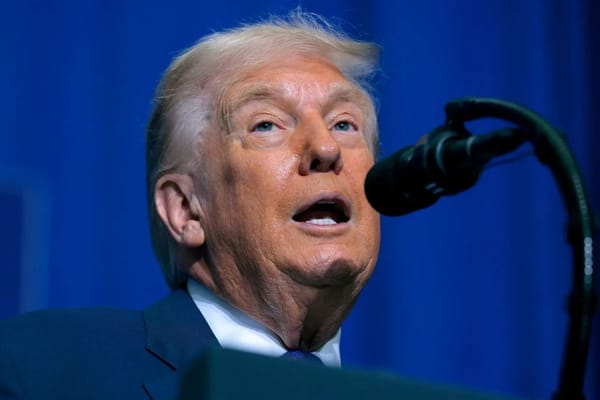
President Donald Trump has suggested that the U.S. government could reimburse American oil companies if they invest billions of dollars in restoring Venezuela’s struggling energy industry, a move that signals Washington is seriously considering a deep economic role in the country’s future.
Speaking in an interview, Trump said he believes U.S. energy companies could get Venezuela’s oil fields “up and running” within about 18 months. He acknowledged that the effort would require enormous investment but said companies would ultimately profit and that both Venezuela and the United States would benefit.
“A very substantial amount of money will be spent,” Trump said. “But the oil companies will do very well. And the country will do well.”
The president did not outline specific numbers or explain how reimbursement would work, but he indicated the federal government could help offset costs or allow companies to recover investments through future oil revenue.
A Dramatic Shift After Maduro’s Removal
Trump’s remarks come just days after the U.S. carried out a dramatic military operation in Venezuela that resulted in the capture of longtime leader Nicolás Maduro and his wife. The raid shocked global markets and governments alike, while also placing Venezuela’s massive oil reserves back in the global spotlight.
Despite sitting on some of the largest proven oil reserves in the world, Venezuela’s production has collapsed over the past two decades due to mismanagement, corruption, sanctions and failing infrastructure. Once a global energy powerhouse, the country now produces only a fraction of its historical output.
For Trump, rebuilding Venezuela’s oil industry is both an economic and strategic opportunity. He has repeatedly argued that American companies have the expertise to fix broken oil systems faster than anyone else if they are given the right incentives.
Who Pays for the Rebuild?
At the center of Trump’s proposal is the idea that U.S. oil companies could be reimbursed for their upfront investments. That reimbursement could come either directly from the U.S. government or indirectly through future oil revenues generated in Venezuela.
Such a plan would mark a significant shift from traditional energy investment models, where private firms assume most financial risk. The suggestion has sparked debate about whether taxpayer funds should be used to support corporate expansion abroad even if it helps stabilize global energy markets.
Trump insisted that the investment would be worth it in the long run, saying faster production would help energy prices, supply stability and economic recovery in Venezuela.
Oil Giants Stay Cautious
So far, America’s biggest oil companies have been careful not to commit publicly to Trump’s vision.
Chevron, the only major U.S. oil company that maintained operations in Venezuela before Maduro’s capture, has begun recalling employees and restarting limited activity. The company emphasized its focus on safety, legal compliance and asset protection, without offering details about new investments.
ConocoPhillips said it is monitoring developments closely but described it as too early to speculate about future business activity.
Exxon Mobil has not commented publicly.
Industry experts note that many major firms remain wary of Venezuela after years of asset seizures, legal disputes and unstable governance. While the potential rewards are large, so are the risks.
Why Venezuela Remains a Tough Bet
Rebuilding Venezuela’s oil industry would require massive upgrades to refineries, pipelines, ports and drilling equipment. Many facilities have fallen into severe disrepair after years without proper maintenance or foreign investment.
Even with government reimbursement, companies face political uncertainty, unclear property rights and questions over long-term control of operations. Some firms were forced out of Venezuela decades ago after the industry was nationalized, and those experiences still weigh heavily on boardroom decisions today.
Chevron stayed by accepting joint ventures with the state oil company, but its operations were tightly restricted and often disrupted.
Market Reaction: Optimism, With Limits
Following Trump’s comments and Maduro’s capture, U.S. energy stocks jumped as investors speculated about renewed access to Venezuela’s oil reserves. Chevron shares surged, while Exxon Mobil and ConocoPhillips also rose.
However, broader oil prices barely moved. Analysts warned that even with U.S. involvement, it could take years for Venezuela to significantly increase exports due to infrastructure damage and logistical hurdles.
Some investors also remain cautious, unsure whether political instability could derail long-term plans.
What This Means for Venezuela
For Venezuela, foreign investment could bring jobs, technology and renewed oil output potentially easing years of economic hardship. But the idea of U.S. companies rebuilding the nation’s most valuable industry raises sensitive questions about sovereignty and control.
Many Venezuelans remain divided over foreign involvement, particularly after decades of political tension with Washington.
The success of any rebuilding effort would depend not just on money, but on political stability, transparent governance and trust, all of which remain uncertain.
What Comes Next
Trump’s proposal is bold and controversial. It reflects a broader strategy to reshape Venezuela’s future while strengthening U.S. influence over global energy supply.
Whether American oil companies accept the offer and whether the U.S. government ultimately commits public funds remains to be seen. For now, the idea has reopened a debate about Venezuela’s oil, America’s role in rebuilding it, and the price of reshaping a nation’s energy future.