Trump Pulls U.S. Out of 66 Global and UN Groups in Sweeping Exit
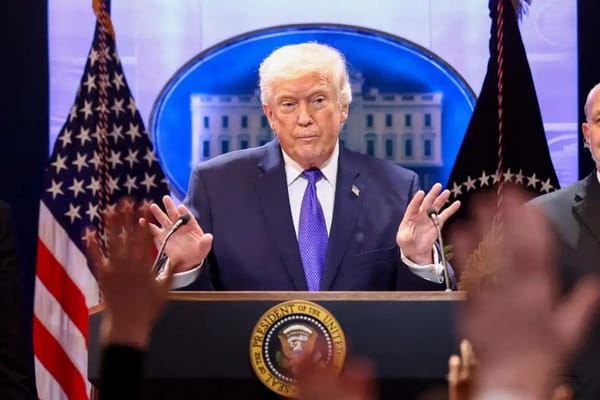
President Donald Trump has announced that the United States will withdraw from more than five dozen international organizations, treaties, and agreements, including several tied to the United Nations and global climate efforts. The move marks one of the most sweeping shifts in U.S. foreign policy during Trump’s second term and has already sparked sharp criticism from environmental groups, scientists, and international allies.
In a memo released on January 7, Trump said the U.S. would exit 66 international entities, including 31 linked to the United Nations. The list includes major climate and environmental groups, ocean and maritime agreements, renewable energy collaborations, counterterrorism initiatives, and organizations focused on women’s empowerment.
According to the memo, these groups are considered “contrary to the interests of the United States.” The decision follows a broad review ordered by Trump and carried out by Secretary of State Marco Rubio, who was tasked with evaluating every international organization, treaty, and agreement the U.S. participates in.
Climate Agreements at the Center of the Withdrawals
Among the most significant exits is the United Nations Framework Convention on Climate Change, the foundational treaty behind global climate negotiations. The United States is also withdrawing from the Intergovernmental Panel on Climate Change, widely regarded as the world’s leading authority on climate science.
The climate framework was originally signed by President George H. W. Bush in 1992 and ratified by the U.S. Senate. At the time, Bush described it as a crucial first step toward addressing global climate challenges. The agreement requires countries to track greenhouse gas emissions and develop national plans to address climate change.
With this withdrawal, the United States will become the only country in the world no longer participating in the climate framework. While the U.S. had previously moved to exit the Paris climate agreement under Trump’s first term, it had never before withdrawn from the broader framework itself.
The administration has already taken steps over the past year to reduce federal involvement in climate research. In 2025, government employees were instructed not to participate in upcoming IPCC reports, signaling an early shift away from international climate cooperation.
White House: Focus on U.S. Priorities, Not Global Agendas
The White House defended the decision by saying the withdrawals would end American taxpayer funding for organizations that promote what it called “globalist agendas” over U.S. interests. Officials said many of the groups were inefficient, ineffective, or failed to deliver meaningful results for American taxpayers.
According to the administration, resources previously spent on international collaborations will be redirected toward domestic priorities and national security. Trump has repeatedly argued that the U.S. shoulders too much of the financial burden in global institutions while receiving little in return.
The move aligns with Trump’s long-standing “America First” approach, which emphasizes national sovereignty, economic independence, and reduced involvement in multilateral agreements.
Critics Warn of Global Isolation and Economic Fallout
The reaction from climate scientists, policy experts, and international organizations was swift and critical. Many warned that pulling out of climate and environmental agreements could harm U.S. businesses, communities, and global standing.
David Widawsky, a senior figure at a U.S.-based environmental research group, called the decision a “strategic blunder,” arguing that it gives up American influence in fast-growing clean energy markets. He said that while other countries continue to invest in renewable technologies, the U.S. risks falling behind economically.
Others said the withdrawals could weaken America’s ability to shape international standards, leaving decisions to competitors such as China and the European Union.
Rachel Cleetus, a climate policy expert, described the move as deeply damaging, saying it would further isolate the United States at a time when global cooperation is increasingly important. She warned that stepping away from international climate science could hurt public health, infrastructure planning, and long-term economic stability.
A Sharp Turn in U.S. Global Leadership
Trump’s latest decision underscores a broader transformation in how the U.S. engages with the world. Rather than shaping global rules from within, the administration appears increasingly willing to step away entirely.
For allies, the move raises concerns about reliability and long-term cooperation. For businesses, especially those tied to clean energy and international trade, it introduces uncertainty about future policies and market access.
At home, the decision has also reignited debate over whether withdrawing from international agreements strengthens national sovereignty or weakens America’s influence abroad.
As global temperatures continue to rise and international tensions grow, the long-term effects of the withdrawals remain unclear. What is certain is that the decision marks one of the most dramatic breaks from decades of U.S. participation in global governance a shift that will shape America’s role on the world stage for years to come.
Breakdown of the 66 International Groups, Treaties, and Agreements the U.S.
| Category | Examples Included | Number of Groups |
|---|---|---|
| UN Climate & Environment Bodies | UN Framework Convention on Climate Change, IPCC, ocean and biodiversity agreements | 12 |
| Renewable Energy & Sustainability Initiatives | Global clean energy partnerships, climate finance programs | 9 |
| UN-Affiliated Agencies & Conventions | Cultural, scientific, and development-focused UN bodies | 31 |
| Maritime, Oceans & Anti-Piracy Groups | Ocean governance, shipping safety, maritime security | 5 |
| Counterterrorism & Security Cooperation | Multinational coordination and intelligence-sharing forums | 4 |
| Women’s Empowerment & Social Programs | Gender equality, women’s leadership initiatives | 3 |
| Other International Agreements | Misc. treaties deemed “contrary to U.S. interests” | 2 |
| Total | — | 66 Groups |