Trump Reviews War and Cyber Options Amid Iran’s Exploding Protest Crisis
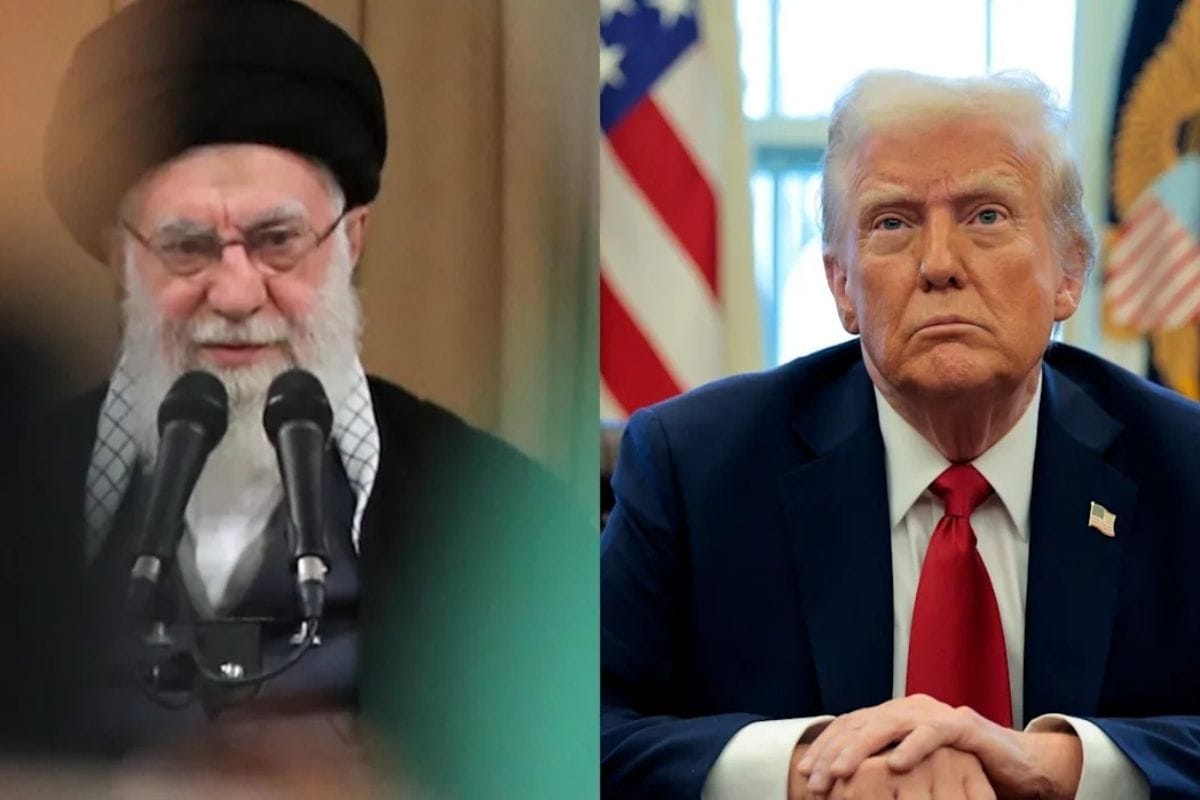
President Donald Trump has been briefed on a wide range of military and covert options as tensions with Iran continue to escalate, according to U.S. defense officials familiar with the discussions. The briefing comes at a moment when Iran is facing its most serious internal unrest in decades, with hundreds of protesters reportedly killed during a nationwide crackdown.
According to officials, the options presented to Trump go far beyond traditional military strikes. While long-range missile attacks remain on the table, Pentagon planners have also discussed cyber operations, covert actions, and psychological campaigns designed to weaken Iran’s leadership without triggering a full-scale war.
The discussions reflect how complex and dangerous the situation has become. Inside Iran, protests have surged for more than three weeks, driven by economic collapse, political repression, and public anger toward the ruling theocracy. Outside the country, the United States and its allies are weighing how or whether to respond.
A Wide Menu of U.S. Options
Defense officials say Trump has been briefed on scenarios that would rely heavily on air power if military action were ordered. These plans include precision strikes on strategic targets as well as efforts to disrupt Iran’s military command structure.
However, officials emphasized that the White House is also considering non-traditional approaches. Cyber operations aimed at communications networks, surveillance systems, and government coordination have been discussed. Psychological operations designed to undermine confidence in Iran’s leadership and encourage defections within the security forces are also being evaluated.
The goal, officials say, is to maintain pressure while avoiding a prolonged or open-ended conflict. Any decision to use force would likely involve a combination of military and covert measures rather than a single dramatic strike.
Trump Signals Willingness to Act
Trump has publicly warned that the U.S. would not stand by if Iran’s leaders continue killing protesters. He has said that “very strong options” are being reviewed and hinted that action could come quickly if the situation worsens.
At the same time, the president has claimed that Iranian officials have reached out privately to negotiate. According to the White House, messages delivered behind closed doors paint a very different picture from Tehran’s public statements, which remain defiant.
Despite those private contacts, Trump has made clear that he does not trust Iran’s leadership. He has suggested that talks could still happen, but warned that the U.S. “may have to act before a meeting” if violence continues.
Tariffs Add Economic Pressure
On Monday, Trump announced a new economic weapon: a 25% tariff on goods from countries that continue doing business with Iran. The move is aimed at isolating Tehran even further as protests rage.
Iran’s economy is already in deep trouble. The national currency has collapsed, inflation has surged, and food prices have reportedly risen by as much as 70%. Because food makes up a large share of Iran’s imports, additional trade pressure could deepen shortages and worsen daily life for ordinary citizens.
The White House has not provided details on how the tariffs will be enforced, but the announcement sent a clear signal that Washington intends to tighten the screws. China remains Iran’s largest trading partner, followed by several Middle Eastern and Asian countries, all of which could now face added pressure from the U.S.
Iran Responds With Defiance
Iran’s leaders have pushed back hard against U.S. threats. Supreme Leader Ayatollah Ali Khamenei accused Washington of deceit and praised pro-government rallies organized by the state. Iranian officials have portrayed the protests as foreign-backed unrest rather than genuine public anger.
State television showed crowds gathered in support of the government in several cities, while text messages circulated urging people to attend pro-regime demonstrations. At the same time, authorities warned citizens against participating in anti-government protests.
Iran’s foreign minister has said Tehran is open to talks with Washington but insisted the country remains “prepared for war.” Behind the scenes, however, analysts say Iran’s leadership is facing its most serious legitimacy crisis since the 1979 revolution.
Rising Death Toll and Information Blackout
Human rights groups estimate that at least 648 protesters have been killed so far, including several children. Thousands more have reportedly been detained. Because Iran has imposed a near-total internet blackout, verifying information has become extremely difficult, and the true death toll could be far higher.
The communications shutdown has also made it nearly impossible for international journalists to report from inside the country. Much of what is known comes from leaked videos, eyewitness accounts, and sources speaking at great personal risk.
The U.S. government has urged American citizens still in Iran to leave immediately or have an independent plan to escape if conditions deteriorate further.
Exiled Royal Calls for Action
Reza Pahlavi, the son of Iran’s last shah, has called on Trump to intervene sooner rather than later to limit further bloodshed. Living in exile in the United States, Pahlavi has emerged as one of the most vocal figures urging international action.
He has argued that Iran’s leadership is trying to buy time through false promises of negotiation while continuing its crackdown. Pahlavi described Trump as a leader who understands what is at stake and warned that delays could cost more lives.
A Decision With Global Consequences
Trump’s national security team is expected to continue meeting as the crisis unfolds. Whether the president ultimately chooses military action, intensified economic pressure, covert operations, or a renewed push for negotiations remains unclear.
What is clear is that the situation is reaching a tipping point. Iran’s leadership is under unprecedented pressure at home, while Washington faces a high-stakes decision that could reshape the Middle East.
For now, the world watches closely as Trump weighs his next move one that could either push Iran toward change or ignite a dangerous new chapter in an already volatile region.