Trump Revokes Landmark Climate Rule, Dismantles Obama-Era Greenhouse Gas Finding

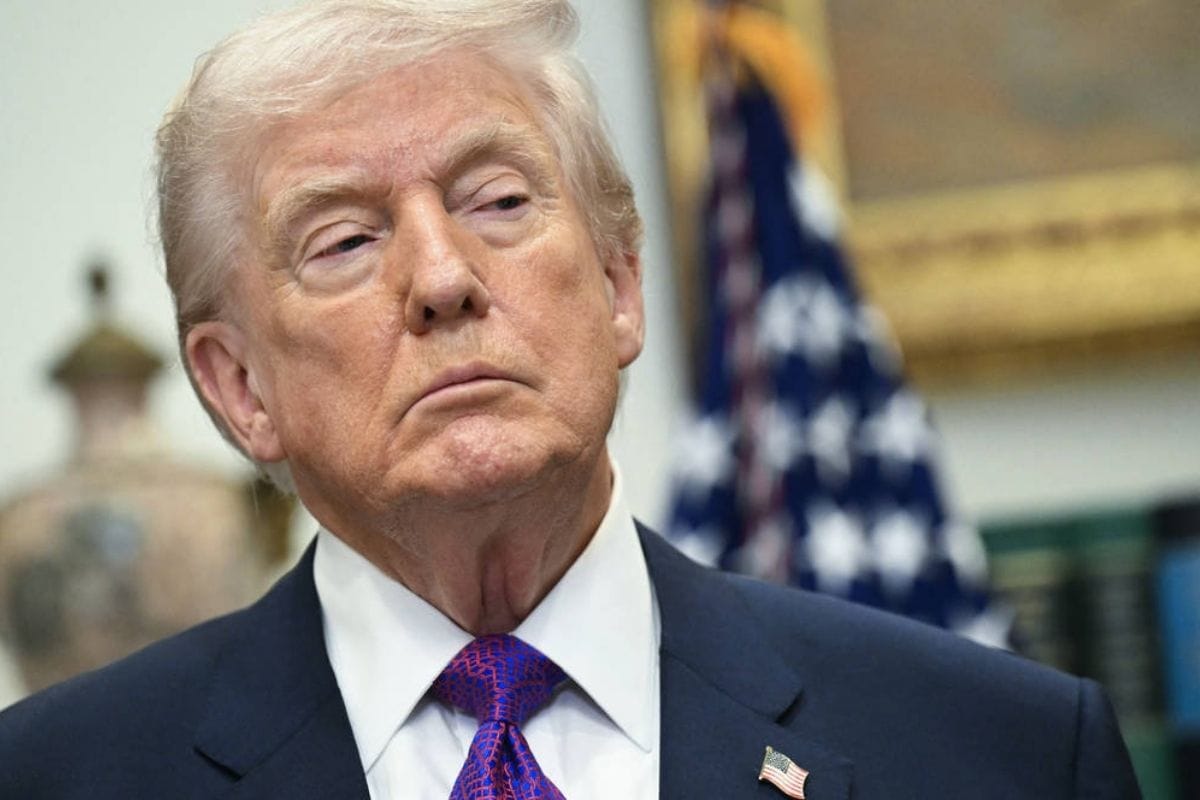
President Donald Trump has taken one of the boldest steps yet in his second term on climate policy. In a move that is already sending shockwaves through Washington, the White House has revoked the 2009 “endangerment finding”, a landmark scientific ruling that declared greenhouse gases a threat to public health.
That finding, issued during former President Barack Obama’s first year in office, has been the backbone of nearly every major federal effort to reduce planet-warming emissions. Now, more than 15 years later, it is gone at least for now.
What Was the Endangerment Finding?
Back in 2009, the Environmental Protection Agency (EPA) determined that six major greenhouse gases including carbon dioxide and methane endanger public health and welfare. That decision wasn’t just symbolic. It gave the federal government the authority to regulate emissions from cars, power plants, oil and gas facilities, landfills and even aircraft.
Congress had been divided on climate legislation at the time, so the EPA’s ruling became the legal foundation for tackling climate change at the federal level. Over the years, it supported fuel economy standards, vehicle emissions limits and methane regulations.
Legal experts often described the finding as the “lynchpin” of U.S. climate regulation.
Now, the Trump administration says it was a mistake.
Trump Calls It “Largest Deregulation in History”
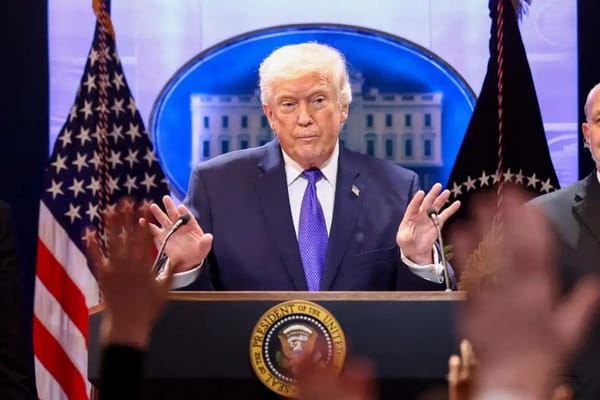
Speaking from the Oval Office, President Trump described the Obama-era rule as “a disastrous policy” that harmed American manufacturing and made cars more expensive for consumers.
The White House is framing the move as an economic win. Officials argue that reversing the finding will cut costs for automakers by about $2,400 per vehicle. They also claim it could save more than $1 trillion in regulatory costs over time.
Supporters of the rollback say emissions regulations have pushed manufacturing overseas to countries like China, where production may be dirtier and less efficient. They argue that heavy regulation in the U.S. does little to reduce global emissions if factories simply relocate.
To Trump and his allies, the reversal is about restoring American industry and lowering energy prices.
Obama and Environmental Groups Push Back
Former President Obama, who rarely comments publicly on Trump’s policies, weighed in quickly. He warned that eliminating the finding would make Americans “less safe, less healthy and less able to fight climate change.”
Environmental groups are even more blunt. They say this is the most significant climate rollback ever attempted in the United States.
Critics argue that removing emissions standards could lead to higher fuel costs over time because vehicles may become less efficient. Some environmental analysts estimate that Americans could spend more on gasoline if fuel economy standards are weakened.
Health concerns are also at the center of the debate. Environmental advocates warn that increased pollution could lead to more respiratory problems, asthma attacks and premature deaths.
The Environmental Defense Fund and other organizations are already preparing legal challenges.
What Happens to Climate Regulation Now?
The immediate effect of the rollback is uncertainty.
Without the endangerment finding, the EPA no longer has a clear legal foundation to regulate greenhouse gases in the same way it has for the past 15 years. That could impact standards for:
- Vehicle fuel efficiency
- Power plant emissions
- Methane leaks from oil and gas operations
- Industrial pollution
However, undoing such a central legal ruling is not simple. The decision will almost certainly face court battles. Several states, including California and New York, are expected to sue.
Ironically, the endangerment finding had also been used by the federal government to limit states from passing stricter climate laws in certain cases. With the federal rule gone, states may attempt to push ahead with their own aggressive climate policies.
Legal experts say the ultimate battleground could be the Supreme Court. Some believe the administration may actually want a high court ruling that permanently limits the EPA’s authority on climate change.
If that happens and the administration wins, it could make it much harder for future presidents to reintroduce federal climate regulations without new legislation from Congress.
A Scientific Debate Reignited
At the heart of this fight is climate science.
The Trump administration has questioned aspects of the scientific basis behind the 2009 ruling. A Department of Energy panel last year challenged widely accepted conclusions about the impact of greenhouse gases.
Many climate scientists criticized that panel, saying it included members who are skeptical of human-driven warming and that its findings were misleading.
Still, the administration is signaling it is willing to defend its position in court.
For supporters of strong climate action, this move feels like a major setback. For critics of federal regulation, it represents long-overdue relief for businesses and consumers.
What It Means for Everyday Americans
For most Americans, the immediate effects won’t be visible overnight.
Car buyers may eventually see changes in fuel economy standards. Energy companies could face fewer federal restrictions. Gas prices, vehicle costs and electricity bills may all shift over time, though experts disagree on whether they will rise or fall.
What is clear is that the United States has entered a new chapter in its climate policy debate.
The 2009 endangerment finding shaped American environmental regulation for more than a decade. By revoking it, President Trump has reset the legal framework and likely guaranteed years of legal battles ahead.
Whether the move ultimately lowers costs or increases environmental risks will depend on what courts decide, how states respond and how global climate pressures evolve.
For now, one thing is certain: the fight over America’s climate future is far from over.