Trump Says Iran Crackdown Paused, Warns Strong Action Still Possible
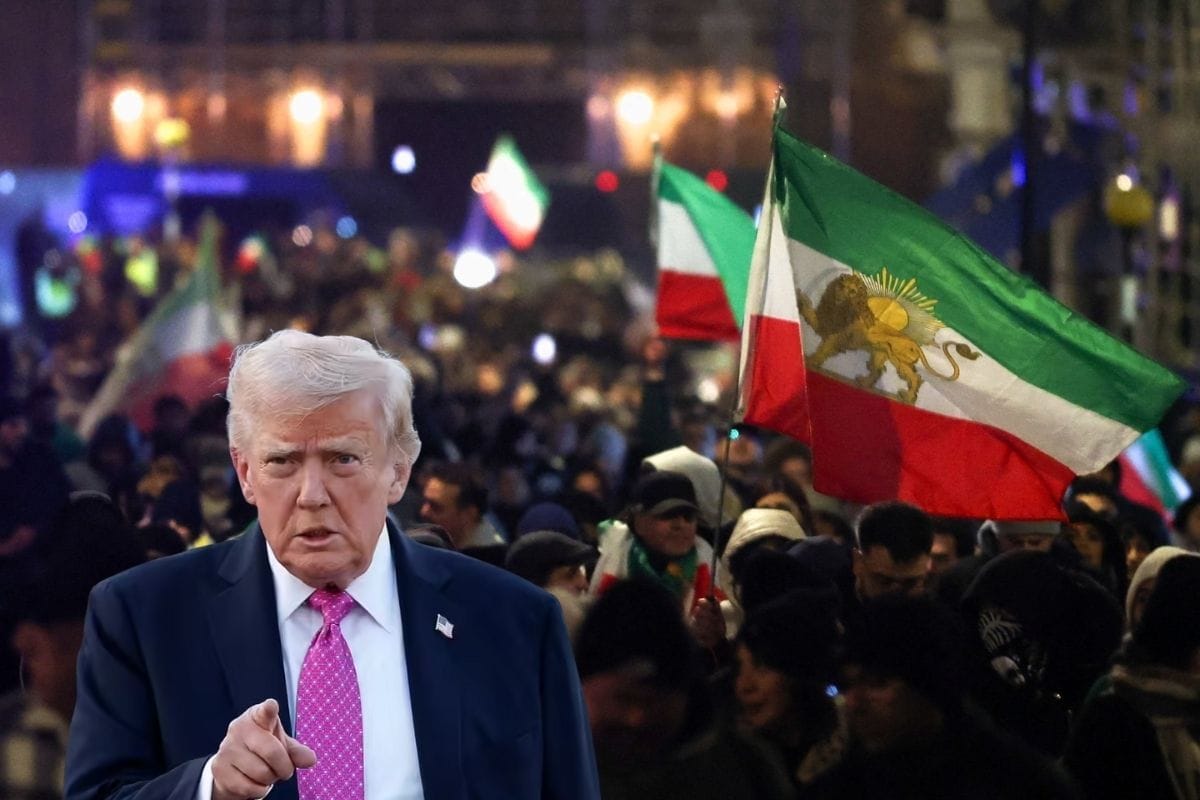
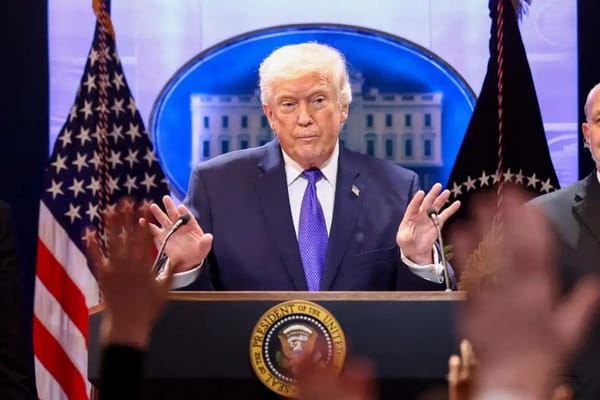
President Donald Trump said on Wednesday that he has been told the deadly violence in Iran has come to a halt, following weeks of brutal crackdowns on anti-government protesters. However, the U.S. president made it clear that the situation remains fragile and that military action has not been taken off the table.
According to multiple human rights groups, Iran’s security forces have killed more than 2,400 people during a nationwide crackdown that followed widespread protests over economic collapse, soaring prices, and growing anger toward the country’s clerical leadership. The unrest has become one of the most serious challenges to the Iranian government since the 1979 Islamic Revolution.
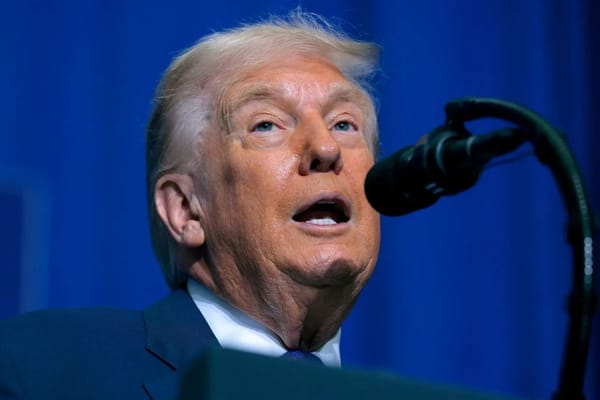
Speaking from the White House, Trump said he had been informed by what he described as “very important sources on the other side” that the violence had stopped and that executions were no longer planned. “We’re being told the killing is stopping,” he said, adding that he hoped the information was accurate.
Despite those claims, Trump did not rule out stronger action if the situation deteriorates again. Earlier this week, he had warned Iran that the U.S. would take “powerful action” if authorities went ahead with executing detained protesters.
Fear of Executions Sparks Global Alarm
International concern intensified after reports surfaced that a 26-year-old man, Erfan Soltani, who was arrested during the protests, had been sentenced to death. His family told Persian-language media that his execution was scheduled for Wednesday, raising fears that Iran was moving quickly to use capital punishment to scare demonstrators into silence.
Later, human rights groups reported that Soltani’s execution had been postponed. Iranian state media denied that he had received a death sentence, claiming only that he had been detained in connection with protests. Still, his family said authorities had given them little information, leaving them in distress and uncertainty.
Iran’s foreign minister later said publicly that “hanging is out of the question,” attempting to calm international outrage. But rights groups warned that Iran has a long history of fast-tracked trials during periods of unrest, making assurances difficult to trust.
Military Precautions and Diplomatic Pullbacks
As tensions rose, both the United States and the United Kingdom reduced staff at Al-Udeid Air Base in Qatar, the largest U.S. military base in the Middle East. Officials described the move as a precaution, not an evacuation, but it underscored growing concerns about regional instability.
Iran also closed its airspace for several hours overnight, forcing airlines to reroute flights. Several European countries, including Germany, Italy, and Poland, urged their citizens to leave Iran or avoid travel there altogether. The British government temporarily shut its embassy in Tehran, shifting operations to remote work.
Meanwhile, U.S. diplomatic missions in the region advised personnel to limit travel near military installations, citing security risks.
Protests Spread Despite Internet Blackout
The protests began in late December after Iran’s currency collapsed, wiping out savings and pushing everyday costs beyond what many families could afford. What started as economic anger quickly evolved into direct calls for political change, with demonstrators chanting slogans against Supreme Leader Ayatollah Ali Khamenei.
Iran responded with overwhelming force. Security services flooded streets, carried out mass arrests, and imposed a near-total internet shutdown to limit communication and footage from reaching the outside world. Even so, videos smuggled out of the country showed scenes of gunfire, burning streets, and grieving families searching morgues for loved ones.
Human rights monitors estimate that more than 18,000 people have been arrested. Hospitals in Tehran and other major cities are reportedly overwhelmed, with doctors describing conditions similar to a war zone and shortages of medical supplies and blood.
Trump’s Mixed Signals on Intervention
Trump has publicly supported protesters, urging Iranians to keep demonstrating and saying “help is on its way.” At the same time, he has been cautious about openly backing regime change or endorsing opposition figures.
Asked about Reza Pahlavi, the exiled son of Iran’s last shah, Trump said he did not know whether Iranians would accept his leadership. “He seems very nice,” Trump said, “but I don’t know how he’d play within his own country.”
Trump also acknowledged that the Iranian government could fall but noted that “any regime can fail,” signaling uncertainty about what might come next.
Behind the scenes, the administration has already imposed new tariffs and weighed military, cyber, and covert options. Trump said he wanted accurate information before deciding how far the U.S. should go.
Uncertainty Remains
While Trump says the killing has stopped, independent confirmation remains difficult. Iran’s internet blackout has now lasted several days, and international journalists are unable to report freely from inside the country.
Human rights organizations continue to warn that the death toll may rise once communications are restored. They also caution that a pause in violence does not mean the crackdown is over.
For now, Iran remains on edge. Streets are quieter, but fear runs deep. Families wait for news of detained relatives, protesters weigh the risks of returning to the streets, and the world watches closely to see whether calm holds or whether Iran slides into an even darker chapter.