Trump Says the US Could Keep or Sell Venezuelan Oil.

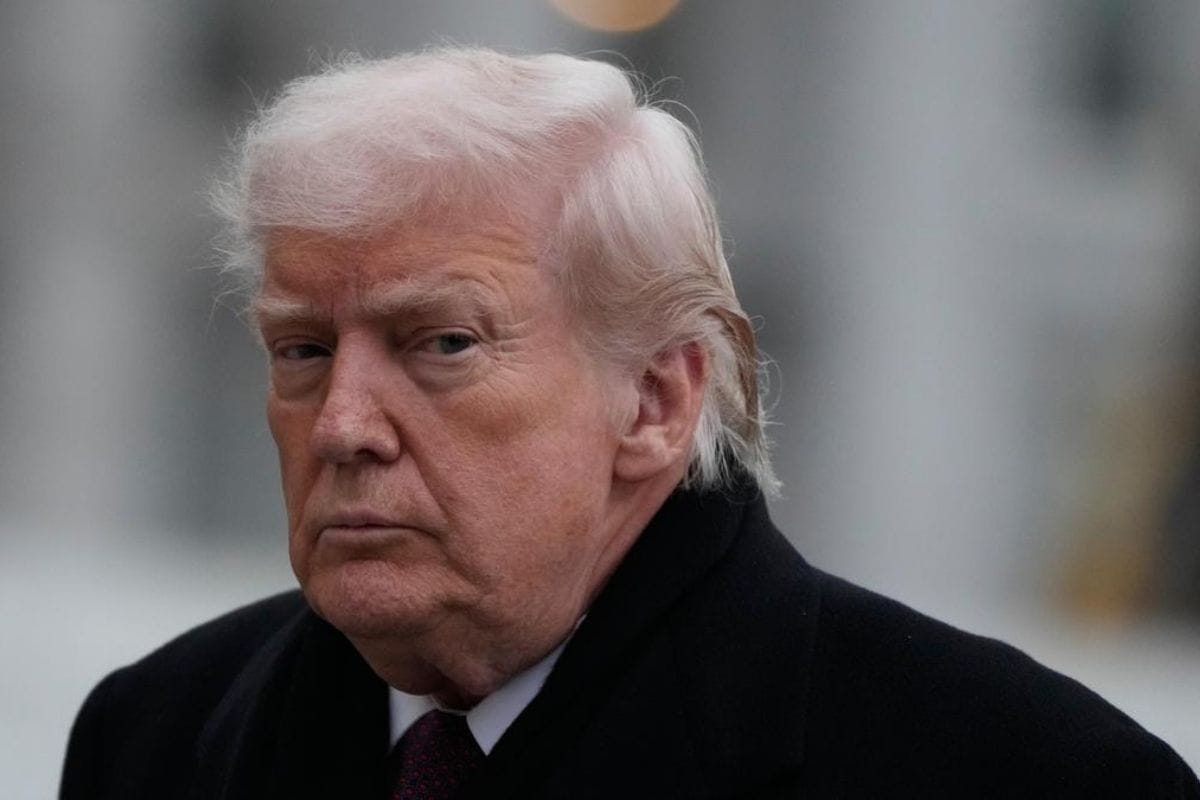
When Donald Trump said the United States might keep or sell oil seized from Venezuela, the reaction was immediate and intense. What sounded like a blunt off-the-cuff remark quickly turned into a serious international issue, raising questions about power, fairness, and how far a country can go when pressuring another government.
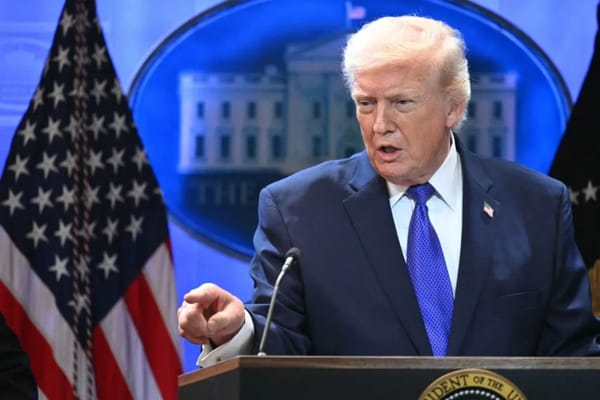
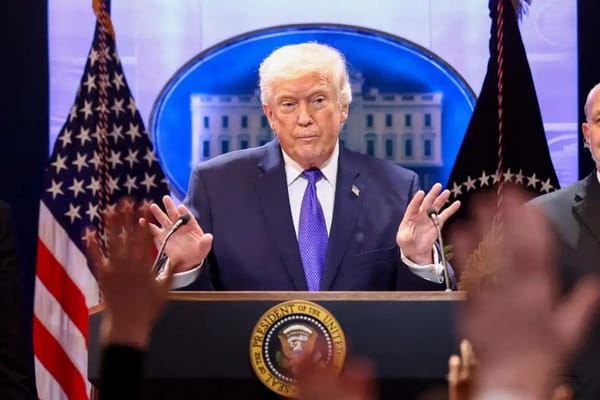
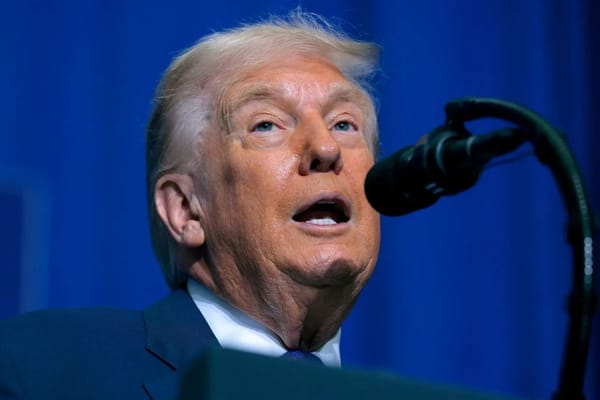
Standing before reporters, Trump didn’t mince words. The oil, he said, could be sold. Or it could be kept. Either way, he made it clear that the United States believes it has the upper hand.
For Venezuela, the message landed like a punch.
A Relationship That’s Been Breaking for Years
Tensions between the U.S. and Venezuela didn’t start with this oil seizure. They’ve been building for more than a decade. Washington has long accused the Venezuelan government, led by President Nicolás Maduro, of corruption and criminal activity. Maduro, in turn, says the U.S. is trying to strangle his country into submission.
At the centre of it all is oil, Venezuela’s most valuable resource and once the backbone of its economy.
Sanctions have already crippled the country’s ability to sell oil freely. Now, with U.S. authorities intercepting shipments and openly discussing selling that oil themselves, the conflict feels personal and dangerous.
Venezuela Calls It Robbery
Inside Venezuela, officials were furious. Government spokespeople called the move theft and accused the U.S. of acting like a pirate on the world stage. Their argument is simple: the oil belongs to Venezuela, not Washington, regardless of sanctions or political disagreements.
“This isn’t enforcement,” one official said. “It’s robbery.”
That anger reflects a broader fear that powerful countries can simply take what they want when weaker nations have no way to stop them.
Why This Oil Matters So Much
For Venezuela, oil isn’t just a commodity. It pays for food imports, public services, and survival. When oil shipments are blocked or seized, the effects ripple quickly through daily life.
Years of economic collapse have already pushed millions of Venezuelans to leave their homes. Families struggle to afford necessities. Hospitals lack supplies. Any further hit to oil revenues makes a bad situation worse.
Trump, however, sees oil pressure as leverage. He has argued that choking off revenue is one of the few ways to force Maduro out of power.
Whether that strategy actually works is another question.
The World Is Watching Closely
This isn’t just a US-Venezuela issue anymore. Oil markets are global, and disruptions anywhere can cause anxiety everywhere. Even the idea that seized oil could be sold by another government makes traders, diplomats, and lawyers uneasy.
Some countries worry this could set a troubling example. If one nation can seize and sell another’s resources, where does it stop?
Legal experts have raised red flags, too. International law around maritime seizures is complex, and ownership of natural resources is typically protected. Selling the oil could open the door to lawsuits, sanctions backlash, or diplomatic retaliation.
What It Means for Everyday People
For Americans, the immediate impact may not be obvious. Gas prices aren’t expected to spike overnight. But the longer-term effects strained alliances, unstable markets, and rising global tension, matter more than many realise.
For Venezuelans, the impact is painfully real. Each seized shipment feels like another door closing. Some hope U.S. pressure will finally bring political change. Others fear it will only deepen suffering while leaders on both sides remain locked in a standoff.
“I just want stability,” said one Venezuelan living abroad. “Not another crisis.”
Mixed Feelings in the U.S.
Trump’s remarks have divided opinion at home. Supporters praise his hardline approach, saying it shows strength and sends a clear message to authoritarian governments. Critics argue the move risks turning economic pressure into outright provocation.
Some lawmakers have also questioned whether selling seized oil crosses a moral or legal line and whether it could backfire by isolating the U.S. internationally.
What Happens Next Is Unclear
For now, the oil remains in limbo. No final decision has been announced, and officials have offered little detail about what comes next.
What is clear is that Trump’s words have escalated an already fragile situation. Whether this leads to negotiations, retaliation, or prolonged tension is still unknown.
At its core, this dispute isn’t really about barrels and tankers. It’s about power who has it, who loses it, and how far governments are willing to go to get their way.
As Venezuela braces for the next move and the U.S. weighs its options, one thing is certain: this story is far from over, and its consequences will reach well beyond the Caribbean.