Trump Says U.S. Forces Seize Maduro in Dramatic Venezuela Operation

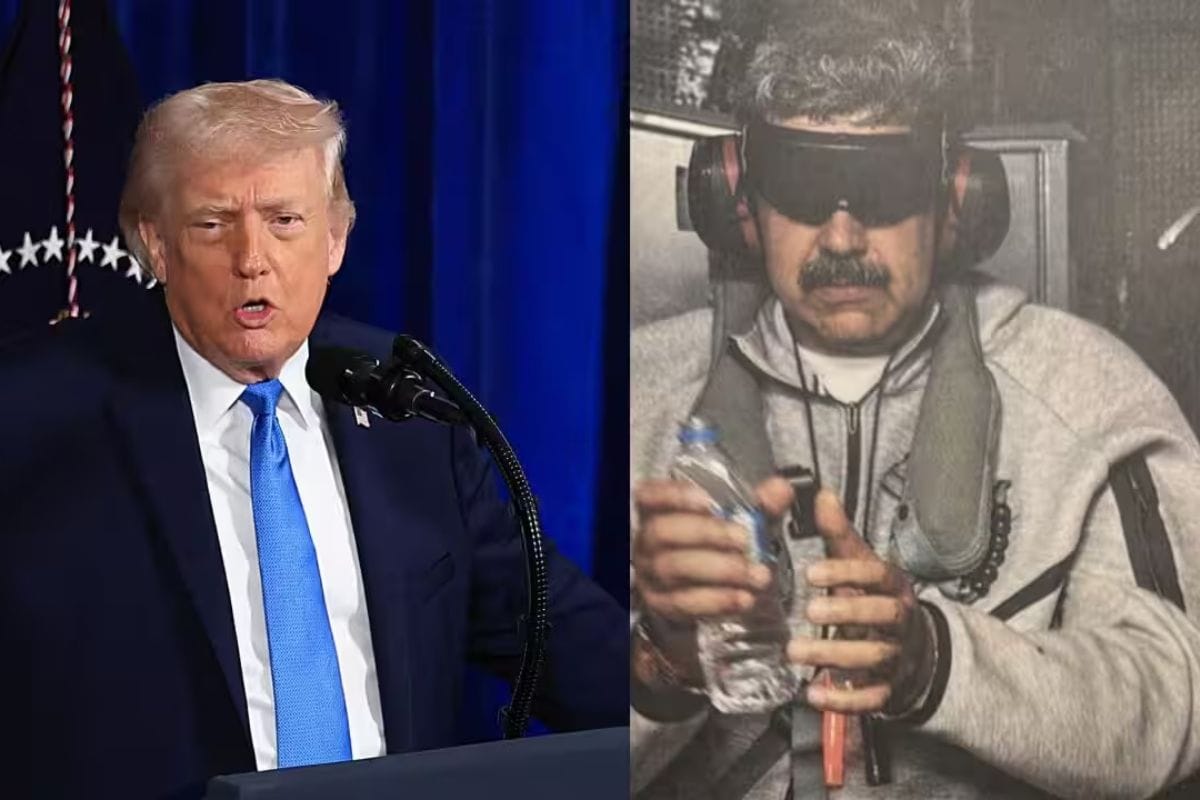
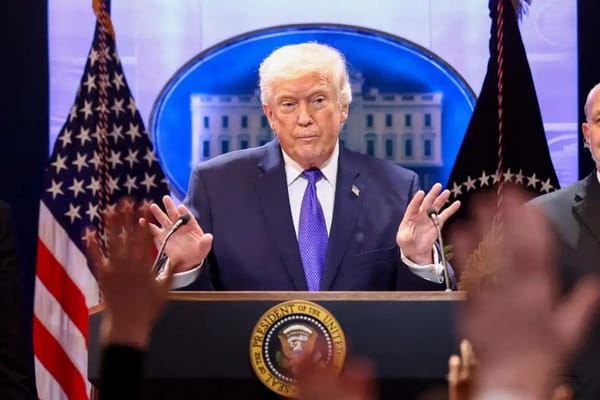
In a dramatic escalation that has stunned governments around the world, former Venezuelan President Nicolás Maduro has reportedly been captured by U.S. forces following a large-scale military operation carried out overnight. The announcement came directly from U.S. President Donald Trump, who described the mission as a coordinated effort involving American military units and law enforcement agencies.
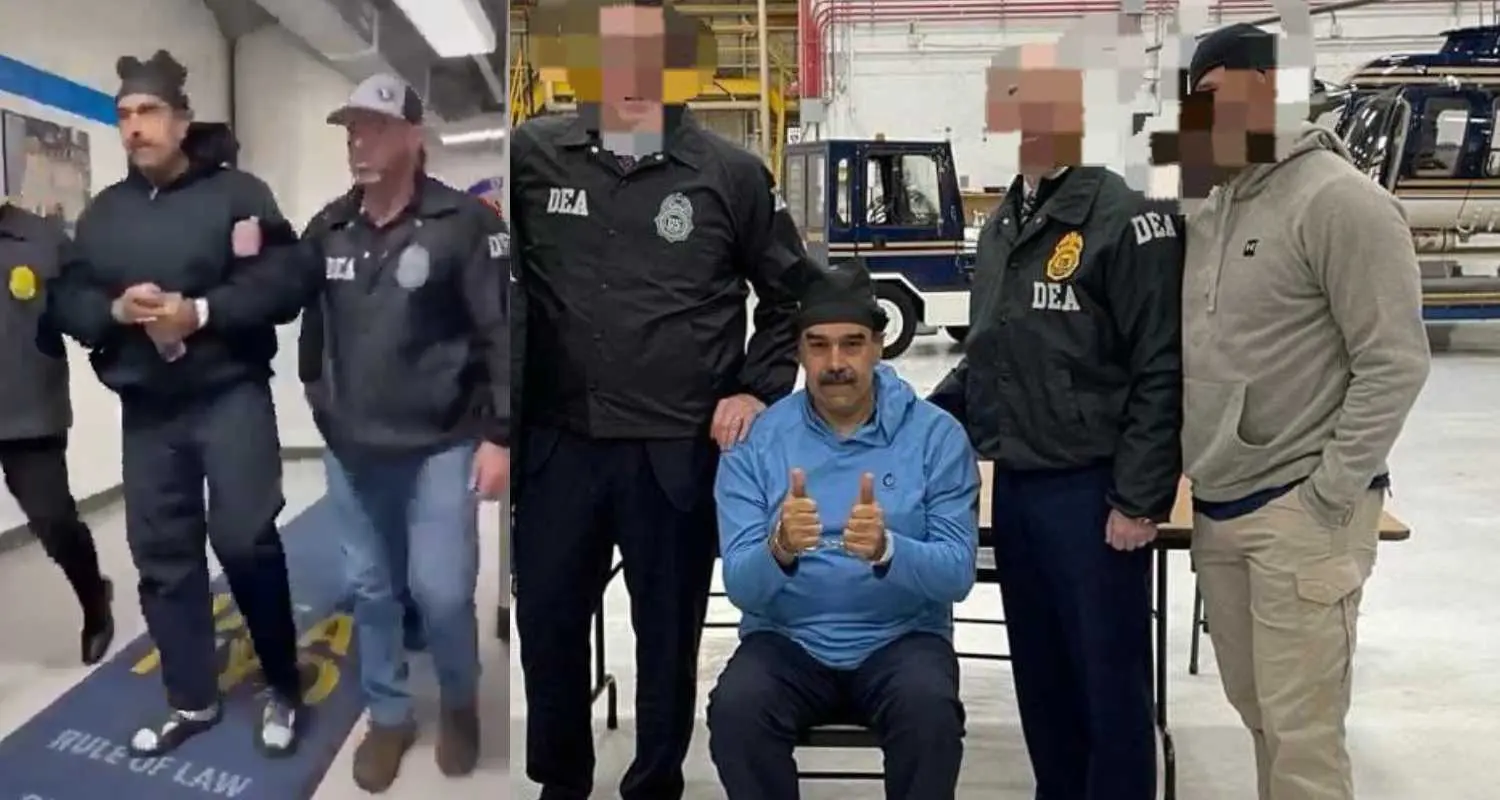
According to U.S. officials and media reports, Maduro and his wife, First Lady Cilia Flores, were taken into custody and flown to the United States, where they are now being held at Brooklyn’s Metropolitan Detention Center. Both face serious charges related to drug trafficking and weapons offenses, accusations the U.S. government has leveled against Maduro for years.
While details continue to emerge, the capture marks one of the most significant and controversial U.S. interventions in Latin America in decades.
A Night of Explosions and Military Action
Residents of Venezuela’s capital, Caracas, were awakened early Saturday morning by the sound of explosions and low-flying aircraft. Reports quickly spread of strikes hitting multiple military installations, including bases in and around the capital and nearby regions.
Eyewitnesses described buildings shaking, power outages, and flames lighting up the night sky. Videos circulating online showed thick smoke rising above neighbourhoods as emergency sirens echoed through the city.
Venezuelan authorities later confirmed that several military sites were hit during what they described as a “foreign aggression.” The government immediately deployed armed forces nationwide and declared a state of emergency, urging citizens to remain calm while warning of further instability.
Maduro and Flores Taken Into Custody
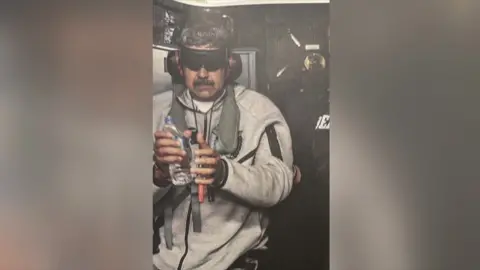
President Trump announced that Maduro and Flores had been captured during the operation and transferred to U.S. custody. He later shared images that appeared to show Maduro blindfolded aboard a U.S. naval vessel, fueling both shock and outrage internationally.
U.S. officials say the couple was flown to an American air base before being transported to New York. The charges against Maduro reportedly include narco-terrorism, drug trafficking, and illegal weapons activity allegations that date back years and have been repeatedly denied by the Venezuelan leader.
Maduro, who ruled Venezuela for more than a decade, has long accused Washington of attempting to overthrow his government and seize the country’s vast oil reserves.
Leadership Uncertainty Inside Venezuela
With Maduro gone, Venezuela has entered an uncertain political moment. Vice President Delcy Rodríguez is expected to assume interim leadership under Venezuelan law, although the situation remains fluid.
In a brief statement, Rodríguez said she did not know Maduro’s whereabouts at the time of the announcement and demanded proof that he was alive. She condemned the operation as a violation of international law and accused the United States of attempting to impose regime change by force.
The Venezuelan government has urged its citizens to take to the streets in defence of national sovereignty, invoking the legacy of revolutionary figures such as Simón Bolívar.
Trump Says U.S. Will “Run” Venezuela Temporarily
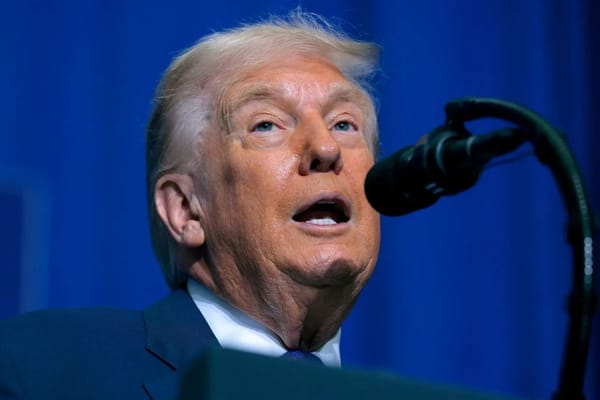
In comments that have further inflamed debate, President Trump said the United States would “run” Venezuela for a period of time to ensure what he called a “safe, proper, and judicious transition.” He added that American oil companies would move into the country during this interim phase.
These remarks have sparked immediate concern among global leaders and international organizations, with critics warning that such statements suggest prolonged U.S. involvement or occupation.
Trump defended the move by arguing that Venezuela had become a hub for drug trafficking and instability, and that decisive action was necessary to protect regional security.
Global Reaction and Rising Tensions
The reaction from across Latin America and beyond has been swift and divided. Several regional leaders condemned the strikes and called for emergency meetings at international bodies, including the United Nations and the Organization of American States.
Colombia’s president warned that the situation could destabilize the entire region, while Cuban officials labeled the operation an act of state terrorism. Iran, Russia, and China have also expressed alarm, urging restraint and respect for international law.
Meanwhile, the U.S. Federal Aviation Administration suspended commercial flights over Venezuela, citing ongoing military activity. The U.S. Embassy urged American citizens to avoid travel to the country and advised those already there to leave as soon as possible.
A Long-Running Conflict Comes to a Head
The capture of Maduro follows years of escalating tension between Washington and Caracas. The U.S. has accused Maduro’s government of corruption, election fraud, and human rights abuses, while imposing sweeping economic sanctions.
In recent weeks, the U.S. military carried out drone strikes on boats it claims were being used to smuggle drugs off Venezuela’s coast. Maduro had responded by accusing the U.S. of aggression and claiming foreign powers were plotting to topple his government.
Ironically, just days before his capture, Maduro publicly said he was open to discussions with Washington on combating drug trafficking, a statement now overshadowed by events.
What Comes Next?
Many questions remain unanswered. It is unclear how long the U.S. intends to stay involved in Venezuela’s governance, whether new elections will be held, or how the Venezuelan people will respond in the coming days.
The situation is still unfolding, and the risk of further violence remains high. For now, Venezuela stands at a crossroads, facing an uncertain future shaped by one of the most dramatic geopolitical moves of recent times.
As the world watches closely, the capture of Nicolás Maduro has already reshaped the political landscape of the region, and its consequences are likely to be felt far beyond Venezuela’s borders.