Trump Says U.S. Forces Struck ISIS Targets in Nigeria on Christmas Day

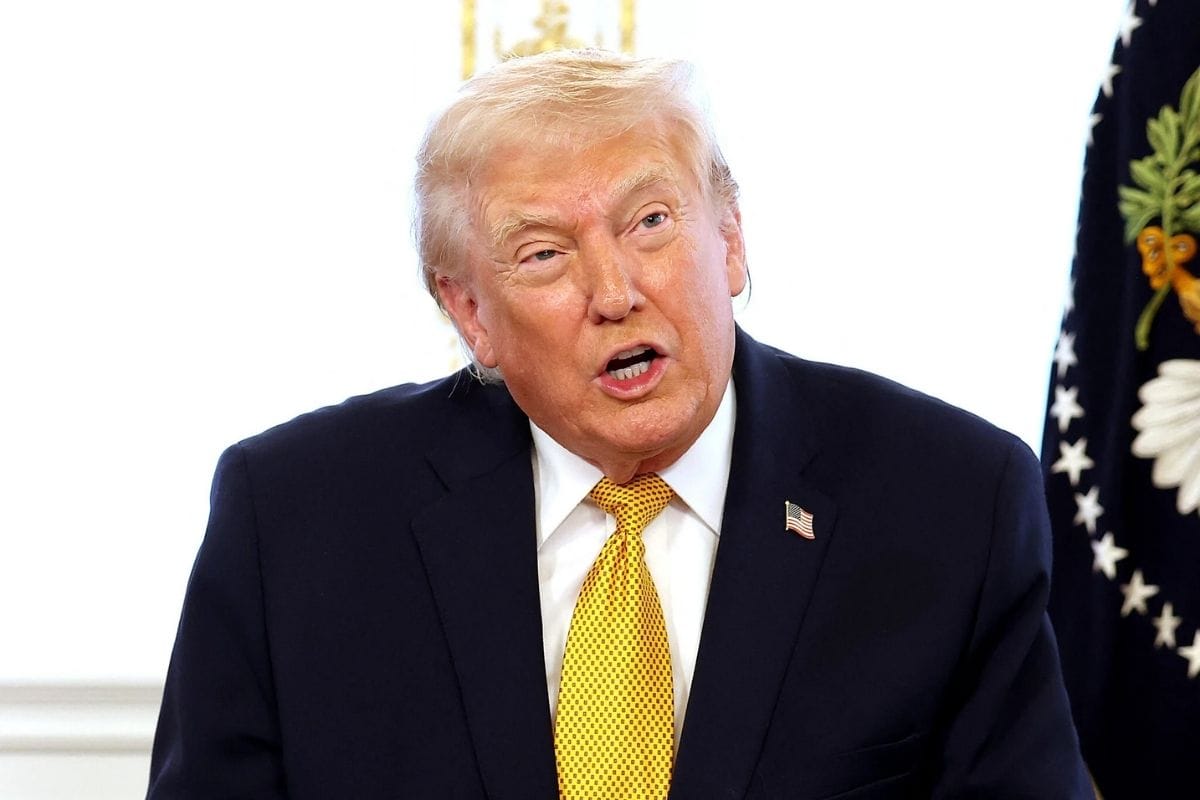
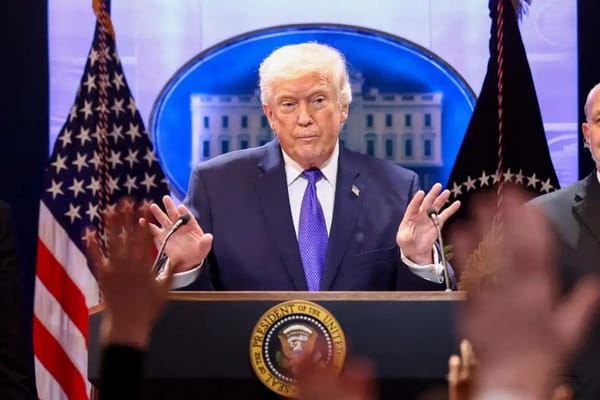
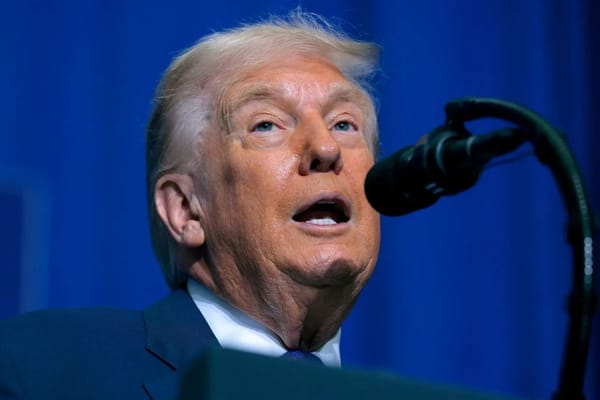
President Donald Trump said on Christmas Day that U.S. military forces carried out airstrikes against Islamic State targets in Nigeria, describing the action as a response to what he called escalating violence against Christians in the region.
In a holiday message posted online, Trump said he had directed the Pentagon to launch what he described as a “powerful and deadly strike” against ISIS fighters operating in northwest Nigeria. He claimed the militant group had been “targeting and viciously killing, primarily, innocent Christians,” using language that echoed warnings he has made repeatedly in recent months.
U.S. Africa Command later confirmed that American forces had conducted a strike at the request of Nigerian authorities. According to the military, the operation targeted known ISIS camps and resulted in the deaths of multiple militants. The strike occurred in Sokoto State, a region in northwest Nigeria that has experienced growing instability and militant activity.
U.S. and Nigeria Say Operation Was Coordinated
Nigerian officials said the strike was part of ongoing security cooperation with the United States. The country’s foreign ministry said the operation involved intelligence sharing and close coordination aimed at weakening extremist groups threatening civilians.
Nigeria’s air force chief, Air Marshal Kelvin Aneke, had earlier urged troops to intensify efforts against terrorism and banditry in the northwest. In a Christmas message to service members, he encouraged them to leave “no stone unturned” in restoring security to the region.

A video released by the Pentagon showed at least one projectile being launched from a U.S. warship. A U.S. defence official said the strikes were precise and focused on militant targets, not civilian areas.
Defence Secretary Pete Hegseth publicly thanked the Nigerian government for its cooperation, saying the partnership had already led to successful hits on terrorist positions and that further action could follow.
Trump’s Focus on Christians in Nigeria
Trump has increasingly highlighted the situation of Christians in Nigeria, arguing that they face severe persecution. He has raised the issue in speeches, social media posts, and diplomatic forums, framing it as a major crisis of religious freedom.
Earlier this fall, Trump accused Nigeria of failing to protect Christians and formally designated the country as a “Country of Particular Concern” under U.S. religious freedom law. He also threatened to cut off U.S. aid and warned of possible military action if the violence did not stop.
In one past statement, Trump said that if the U.S. were to intervene, it would be “fast and vicious,” language that drew sharp reactions both at home and abroad.
Nigeria Pushes Back on Trump’s Claims
Nigeria’s government has strongly rejected the idea that the country is uniquely hostile to Christians. President Bola Ahmed Tinubu said that labelling Nigeria as religiously intolerant does not reflect the country’s reality or the government’s efforts to protect all faiths.
Officials in Abuja have repeatedly said that armed groups in Nigeria attack both Christians and Muslims, often indiscriminately. They argue that the violence is driven less by religion alone and more by a mix of extremist ideology, economic hardship, ethnic tensions, and weak security in rural areas.
Tinubu’s office stated that Nigeria remains committed to collaborating with the United States and the international community to safeguard civilians and enhance security, but cautioned against oversimplifying a complex crisis.
A Complicated Security Crisis
Nigeria has faced years of violence from multiple armed groups. In the northeast, Boko Haram has carried out attacks for more than a decade, killing tens of thousands of people and displacing millions. Human rights groups have noted that Boko Haram has killed more Muslims than Christians, complicating claims that the conflict is purely religious.
In recent years, violence has spread west and northwest, where Islamic State-linked groups and armed bandits have expanded their reach. Attacks now include kidnappings, school raids, assaults on villages, and strikes on military targets.
The country’s population is roughly split between Muslims, who are concentrated mostly in the north, and Christians, who are more prevalent in the south. Most insurgent attacks have occurred in northern regions, where poverty, unemployment, and weak governance have fueled instability.
Rising Violence in 2025
Security experts say violence worsened in 2025, with attacks by Islamic State West Africa Province and al-Qaeda-linked groups becoming more frequent and deadly. The United Nations has warned that the surge in violence is driving hunger and displacement to levels not seen before.
Recent incidents underscore the danger. In November, militants killed a senior military officer in the northeast and attacked schools in northern states. In one case, armed groups abducted hundreds of students, including Catholic school children.
On Christmas Eve, a suicide bombing struck a mosque in the city of Maiduguri during evening prayers, killing at least five people and injuring dozens. Nigerian officials blamed Boko Haram for the attack, highlighting that Muslims as well as Christians continue to be targets.
Political Reactions in the U.S.
Some U.S. lawmakers praised Trump’s decision to authorise the strike. Republican Rep. Addison McDowell said the action sent a strong message and thanked the president for acting on Christmas Day.
“This situation for Christians in Nigeria has been reaching a breaking point,” McDowell said, adding that religious persecution should never be tolerated.
Others urged caution, warning that military action alone cannot solve Nigeria’s deep-rooted problems and that long-term solutions require economic development, political reform, and regional cooperation.
What Comes Next
For now, both the U.S. and Nigeria say the strike was successful and part of a broader effort to weaken extremist groups. Whether it marks the beginning of increased U.S. involvement in Nigeria remains unclear.
The situation highlights the difficult balance between combating terrorism, respecting national sovereignty, and addressing the deeper causes of violence. As Nigeria continues to struggle with insecurity, the role of international partners and the rhetoric surrounding that role is likely to remain a subject of debate.
What is certain is that the violence affecting communities across northern Nigeria shows no signs of easing, and the consequences are being felt by families of all faiths caught in the crossfire.