Trump Says U.S. Must ‘Own’ Greenland to Block Russia and China

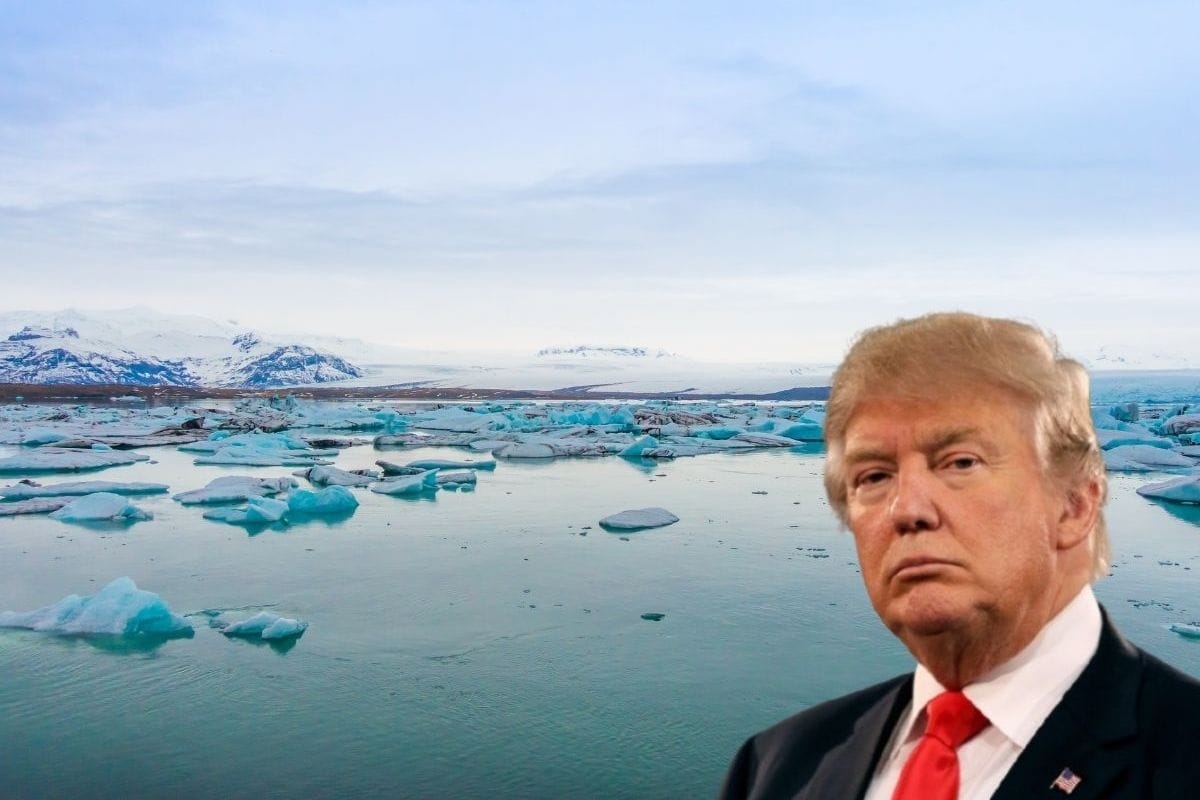
President Donald Trump has once again stirred global debate by saying the United States needs to “own” Greenland to keep Russia and China from gaining a foothold in the Arctic. His blunt comments have alarmed European allies, angered leaders in Denmark and Greenland, and reopened a question many thought had been settled years ago.
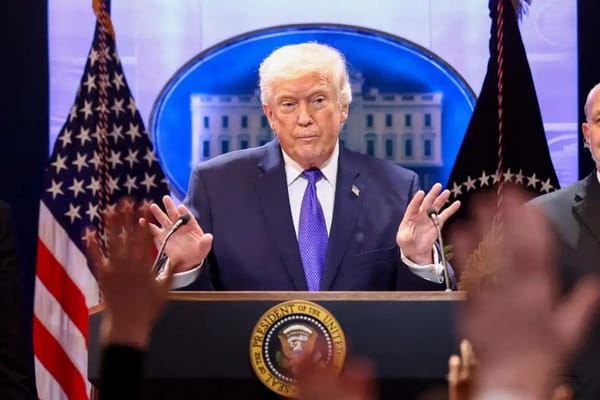
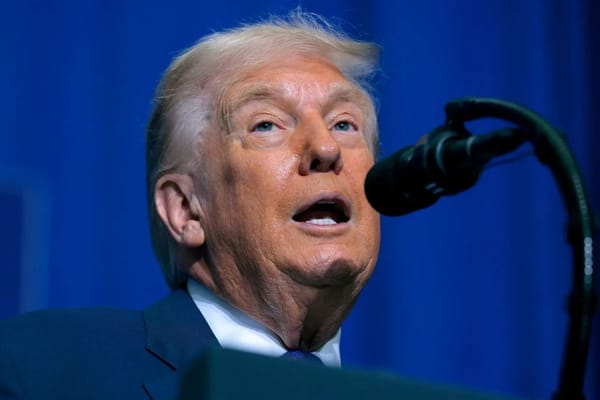
Speaking to reporters in Washington, Trump dismissed long-term leases or defense agreements as weak solutions. In his view, real security only comes with ownership. “You don’t defend leases,” he said. “You defend ownership.”
He added that the U.S. would pursue Greenland “the easy way or the hard way,” a phrase that immediately raised eyebrows overseas and reignited concerns about how far Washington might be willing to go.
Why Greenland Keeps Coming Up
At first glance, Greenland might not seem like a geopolitical prize. It’s icy, remote, and home to fewer than 60,000 people. But its location tells a different story.
Greenland sits between North America and the Arctic, making it a key point for missile detection, military monitoring, and control of emerging Arctic shipping routes. As ice melts and traffic increases, the island’s strategic value is only growing.
The U.S. already maintains a military presence there, including the Pituffik Space Base in Greenland’s northwest. American forces have operated from the island since World War II, and existing agreements with Denmark allow the U.S. to expand its troop presence if needed.
Trump argues that this isn’t enough. He claims that Russian and Chinese activity in the region is increasing and that relying on agreements rather than ownership puts American security at risk. He hasn’t offered concrete evidence, but he insists the threat is serious.
Denmark and Greenland Push Back Hard
Denmark’s response has been swift and firm. Officials have repeatedly said Greenland is not for sale, and any attempt to take it by force would be unacceptable. Danish leaders have warned that such an action would damage, or even destroy, NATO unity.
Greenland’s own leaders have been even clearer. In a rare show of political unity, parties across the island issued a joint statement rejecting Trump’s remarks outright.
Their message was simple: Greenland’s future belongs to Greenlanders alone.
“We do not want to be Americans. We do not want to be Danes. We want to be Greenlanders,” the statement said, pushing back against what they called disrespect toward their country and people.
European allies, including major NATO nations, have also rallied behind Denmark. While they agree on Arctic security matters, they say it must be handled together, not through unilateral threats or territorial claims.
Ownership vs. Alliances
Trump’s comments reflect a broader belief he has long held: that ownership is stronger than partnership. To him, leases and alliances are temporary and unreliable. Control, he argues, brings certainty.
Critics say this thinking risks unravelling decades of cooperation. Greenland is part of a NATO member state, and forcibly changing its status would challenge basic principles of sovereignty and international law.
Some analysts worry that even floating the idea of annexation weakens trust among allies and gives rivals an opening to exploit divisions. Others point out that the U.S. already has extensive military access to Greenland without owning it, raising the question of what ownership would actually add.
Resources Beneath the Ice
Security isn’t the only factor driving interest in Greenland. The island is believed to hold vast natural resources, including rare earth minerals, uranium, iron, and possibly oil and gas.
As climate change melts Arctic ice, these resources are becoming easier to reach. Rare earth minerals, in particular, are crucial for modern technology and military equipment, and China currently dominates the global supply.
While Trump has framed his push mainly around defense, many experts believe economics plays a role, too. Control over Greenland could mean influence over critical resources and future trade routes.
A Familiar Fight Returns
This isn’t Trump’s first attempt to bring Greenland under U.S. control. In 2019, during his first term, he openly suggested buying the island. Denmark quickly shut down the idea, calling it unrealistic, and the episode strained diplomatic ties.
Now, in his second term, Trump has revived the idea this time with sharper language and fewer diplomatic guardrails. While senior officials say negotiation is preferred, Trump himself has refused to rule out tougher measures.
U.S. officials are expected to hold talks with Danish leaders soon, but Denmark and Greenland have made it clear their stance hasn’t changed.
What Happens Next?
For now, Trump’s remarks have raised tensions but haven’t changed facts on the ground. Greenland remains opposed to becoming part of the United States, Denmark is standing firm, and U.S. allies are urging calm and cooperation.
Still, the situation highlights how quickly the Arctic is becoming a frontline in global power politics. It also shows how Trump’s approach, bold, transactional, and confrontational, continues to test long-standing alliances.
Whether this dispute leads to serious negotiations, diplomatic fallout, or fades into another political standoff remains unclear. What is certain is that Greenland, once seen as a frozen backwater, is now firmly at the center of a global tug-of-war.