Trump Signals Indirect Role in Iran Nuclear Talks
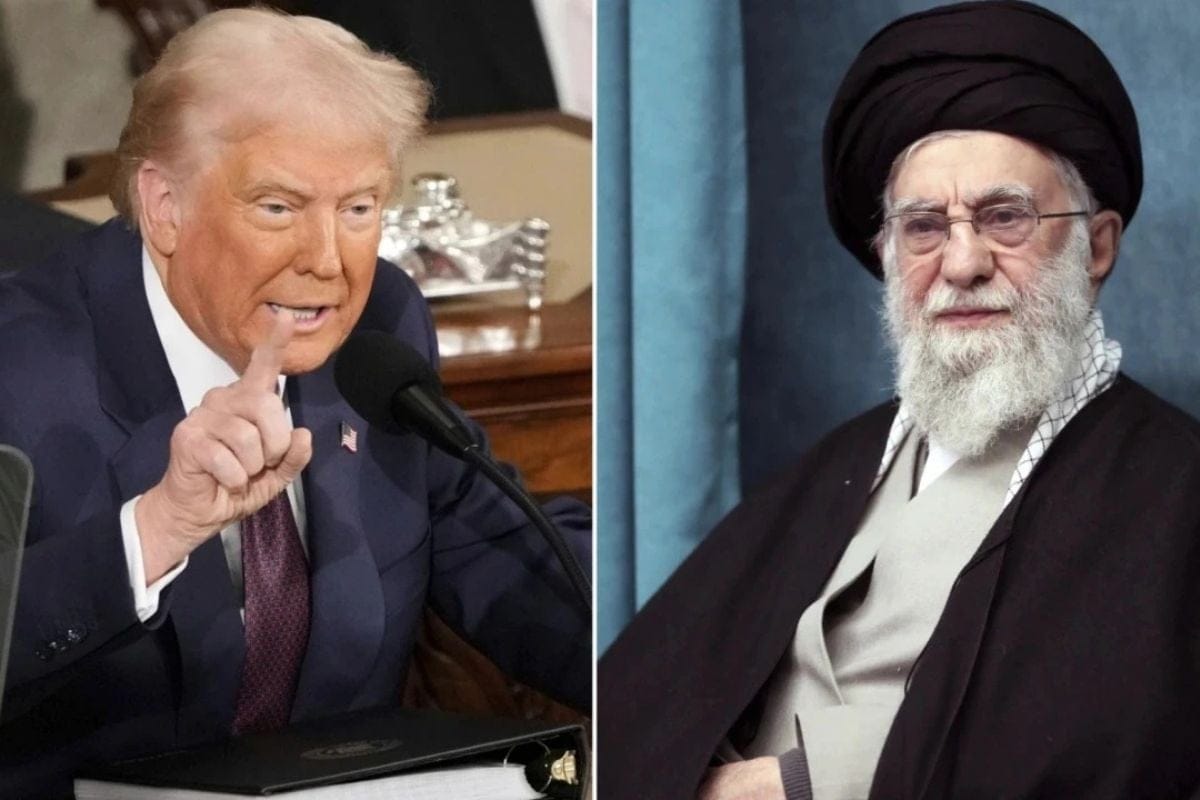
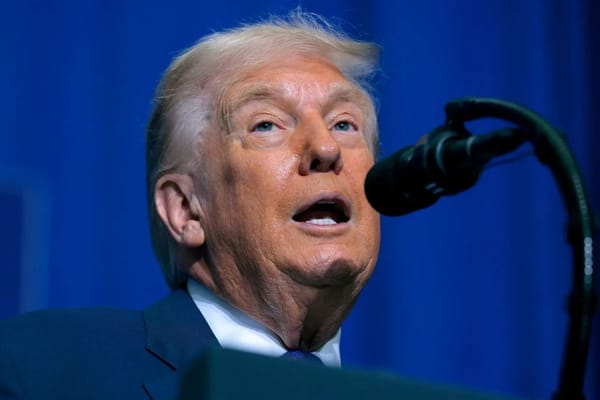
Former President Donald Trump says he plans to involve himself “indirectly” in renewed talks over Iran’s nuclear program, a statement that immediately shifted attention back to Washington’s role in one of the world’s most sensitive diplomatic files.
Trump did not position himself as a formal negotiator. Instead, he indicated he would influence the process from outside official channels if necessary. His remarks arrive as global powers weigh how to manage Iran’s advancing nuclear capabilities and stalled diplomatic frameworks.
The development adds a new political dimension to already complex negotiations.
Trump Reenters the Iran Nuclear Debate
Trump’s comments signal more than personal interest. They reintroduce his strategic approach to Iran at a moment when diplomatic momentum appears fragile.
During his presidency, Trump withdrew the United States from the 2015 nuclear agreement and pursued a “maximum pressure” campaign that relied on economic sanctions. Supporters argued that approach strengthened U.S. leverage. Critics claimed it narrowed diplomatic pathways.
Now, by signaling indirect involvement, Trump positions himself as a continuing force in the conversation. He suggests he can shape outcomes without sitting at the negotiating table.
That distinction matters. It allows him to influence public expectations while avoiding formal accountability for negotiation outcomes.
The Current State of Iran Nuclear Talks
Iran’s nuclear program remains under international scrutiny. Western officials continue to monitor uranium enrichment levels and compliance with international safeguards.
Diplomatic talks have stalled in recent years. Efforts to revive structured agreements have faced repeated setbacks over sanctions relief, verification mechanisms, and regional security concerns.
Trump’s remarks introduce a parallel dynamic. Even without direct authority, his influence over Republican lawmakers and segments of U.S. foreign policy thinking remains significant. Any future administration must account for that political reality when shaping long-term agreements.
In diplomacy, perception carries weight. When a former president signals involvement, international counterparts listen carefully.
Why “Indirect” Involvement Matters
Trump’s choice of words stands out. By emphasizing indirect participation, he signals that he intends to shape the strategic narrative rather than formal paperwork.
That strategy allows him to:
- Influence domestic political messaging
- Signal red lines to negotiators
- Shape expectations among allies and adversaries
Indirect influence often operates through public statements, policy proposals, and political alliances. It does not require a seat at the table to affect leverage.
Iran, European allies, and regional stakeholders will likely interpret his comments through a broader geopolitical lens. They must consider whether U.S. political shifts could alter long-term commitments.
Stability in nuclear negotiations depends not only on technical compliance but also on political durability.
The Political Layer Ahead of 2026
Trump’s statement also intersects with domestic politics. As Washington moves deeper into another election cycle, foreign policy issues gain renewed visibility.
Iran has historically served as a dividing line in U.S. politics. One side prioritizes structured diplomacy and multilateral coordination. The other emphasizes economic pressure and strategic deterrence.
By inserting himself into the conversation now, Trump ensures that any progress in talks carries political implications. Negotiators must operate with awareness that policy continuity could shift depending on election outcomes.
Foreign governments track those signals carefully. Long-term agreements require confidence that commitments will survive leadership transitions.
The Broader Strategic Picture
Iran’s nuclear ambitions remain a central security issue in the Middle East. Regional actors, including Israel and Gulf states, continue to evaluate risk scenarios closely. Any shift in U.S. posture influences their calculations.
Trump’s reentry into the debate adds a layer of unpredictability. While he does not currently hold executive authority, his political influence remains active.
Diplomatic negotiations often depend on unified national messaging. When multiple power centers shape the narrative, foreign counterparts may hesitate before making concessions.
At the same time, public engagement in foreign policy debates can sharpen accountability. Lawmakers and voters pay closer attention when high-profile figures speak out.
What Happens Next?
Trump has not outlined a detailed roadmap for his indirect involvement. He has not specified how he plans to influence discussions or which channels he intends to use.
However, his comments signal that Iran policy will remain a visible issue in American politics. Negotiators must navigate not only technical nuclear benchmarks but also shifting political signals from Washington.
For now, talks continue under existing diplomatic structures. Yet the political environment surrounding them has changed.
Final Take
Trump’s announcement does not alter the mechanics of ongoing negotiations overnight. But it reshapes the strategic landscape.
By signaling indirect involvement in Iran nuclear talks, he injects domestic political energy into a fragile diplomatic process. That move ensures the issue remains central in U.S. foreign policy discourse.
Nuclear diplomacy demands precision, patience, and long-term consistency. Whether indirect influence strengthens or complicates that effort will depend on how negotiators respond in the months ahead.
The conversation has expanded beyond formal channels. And in global diplomacy, expanded conversations often carry lasting consequences.