Trump Slams US–Canada Bridge Deal, Sparks Fresh Border Controversy

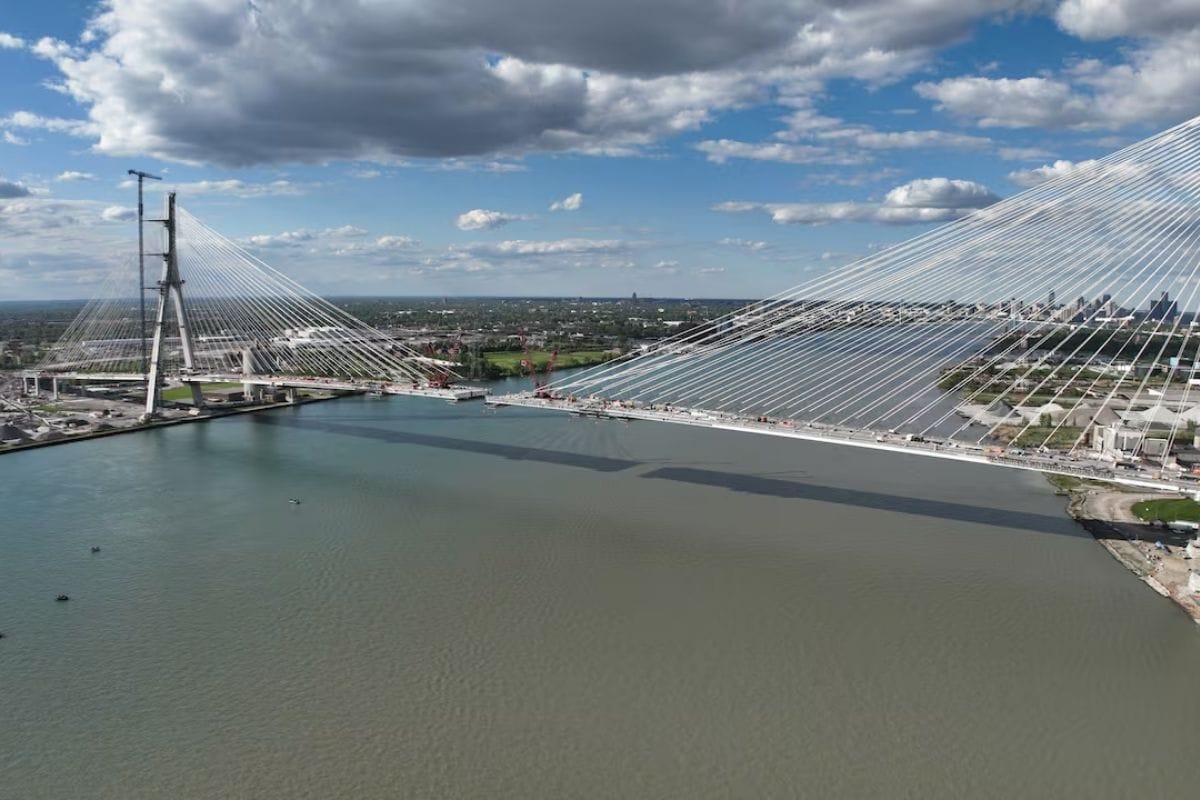
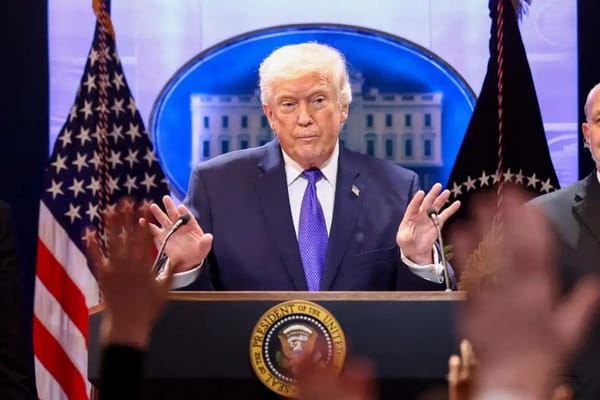
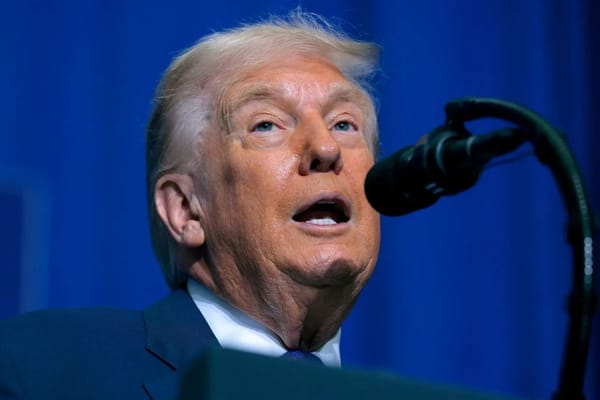
The Gordie Howe International Bridge was supposed to be a symbol of cooperation between the United States and Canada, a massive project designed to make life easier for drivers, truckers, and businesses on both sides of the border. Instead, it has become the latest flashpoint in a growing political fight, after former President Donald Trump publicly blasted the deal as unfair to Americans.
Trump’s criticism has once again put a spotlight on how the US and Canada handle shared infrastructure, and whether American taxpayers are getting a good deal when it comes to projects that cross international lines.
At the heart of the issue is a simple question: who pays, and who profits?
What the Bridge Is — and Why It Matters
The Gordie Howe International Bridge connects Detroit, Michigan, with Windsor, Ontario. Once it opens, it will be the largest land border crossing between the two countries. Every day, billions of dollars’ worth of goods move through this corridor, especially auto parts that are essential to North America’s car industry.
Right now, most of that traffic relies on the aging Ambassador Bridge. The new bridge is meant to relieve congestion, improve safety, and speed up trade. For businesses and drivers stuck in long border lines, it’s been long overdue.
But the way the bridge is funded has stirred controversy.
The Deal That Sparked the Backlash
Canada agreed to pay most of the upfront cost for the bridge, including building roads and inspection facilities on the US side. In return, Canada would collect tolls for decades to recover its investment.
Trump argues that while this might sound reasonable on paper, it ends up hurting Americans in the long run. According to him, US drivers and trucking companies will be paying tolls that funnel money back to Canada.
To Trump, this fits a familiar pattern. He has long claimed that past US leaders signed off on deals that looked cooperative but ultimately left America shortchanged.
“This is exactly the kind of agreement that puts America last,” he has said in various forms over the years, and the bridge has now joined that list.
Concerns About Control and Sovereignty
Beyond money, Trump has raised concerns about control. He has suggested that allowing Canada to manage a major piece of infrastructure tied to US trade and security sends the wrong message.
Supporters of the project say those fears are overblown. US border agents will still control inspections, security, and customs operations. Canada’s role is primarily financial and administrative.
Still, the optics matter especially in an election season where national pride and border control are hot-button issues.
Canada’s Response: This Was the Only Way Forward
Canadian officials have pushed back strongly against Trump’s claims. They argue that Canada stepped up only because years of legal battles and political delays stalled progress on the US side.
Without Canadian financing, they say, the bridge might never have been built at all.
From their perspective, the toll arrangement is simply a way to recover costs, not exploit American drivers. They also point out that faster crossings will save US companies money by reducing delays and supply-chain headaches.
In short, Canada sees the project as a win-win, not a power grab.
Politics, Timing, and Bigger Stakes
Trump’s comments come at a time when trade, borders, and infrastructure are once again front and center in US politics. His criticism plays directly to voters who feel the US has been too generous in international agreements.
By calling out Canada, one of America’s closest allies, Trump is reinforcing his broader message: friendly countries don’t always play fair, and America needs to protect its interests more aggressively.
That message resonates with some voters, especially those frustrated by rising costs and economic uncertainty. But it also worries business leaders who fear renewed trade tensions could disrupt cross-border commerce.
What Happens Now?
For now, nothing is stopping the bridge from opening. Construction is nearly complete, and officials on both sides remain focused on finishing the job.
Trump’s criticism doesn’t automatically change the deal, but it raises questions about what could happen if he or similar leaders return to power. Calls to renegotiate tolls or control could resurface, potentially reopening tensions between Washington and Ottawa.
Businesses, especially in manufacturing and transportation, are watching closely. Stability matters to them — and political uncertainty can be just as disruptive as physical delays.
More Than Just a Bridge
The Gordie Howe International Bridge was meant to connect the two countries more smoothly. Instead, it has become a symbol of a much larger debate: how the US balances cooperation with control, partnership with profit.
As trucks begin rolling across the bridge in the coming years, it won’t just be carrying goods. It will carry the weight of political arguments about fairness, sovereignty, and what “America First” really means in a global economy.
Whether this controversy fades or grows louder, one thing is clear: even bridges meant to bring people together can become dividing lines when politics enters the picture.