Trump Threatens Tariffs Over Greenland, Europe Pushes Back Hard

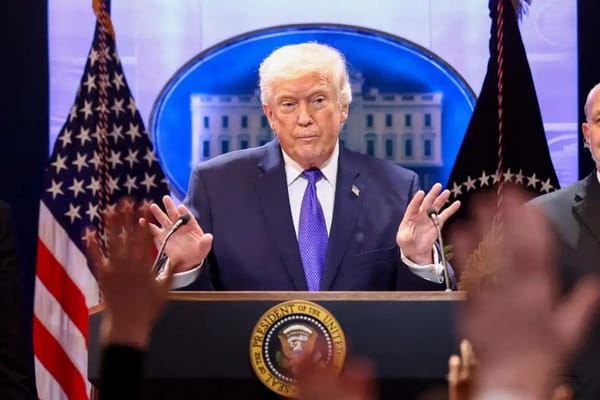
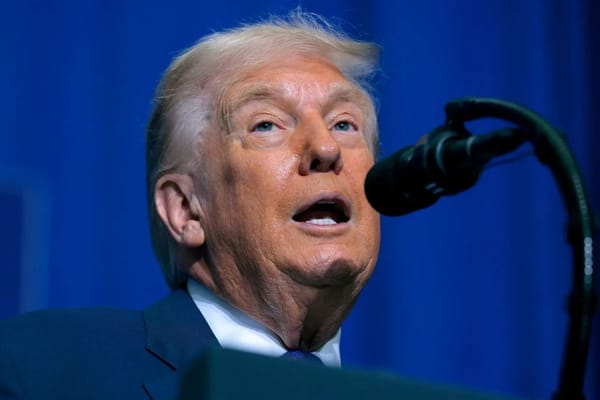
What began as another tough statement from President Donald Trump has quickly turned into a full-blown diplomatic storm. His threat to slap new tariffs on European allies unless they support his plan to take control of Greenland has sparked outrage across Europe and sent people into the streets in both Denmark and Greenland.
European leaders say the move crosses a line. Protesters say it ignores their voices. And diplomats on both sides of the Atlantic are now scrambling to prevent the dispute from spiralling even further.
Europe Pushes Back Hard
Reaction from Europe was swift and blunt.
UK Prime Minister Keir Starmer called Trump’s tariff threat “completely wrong,” warning that it damages trust between allies who have worked together for generations. French President Emmanuel Macron went even further, calling the proposal “unacceptable” and stressing that sovereignty is not something that can be negotiated through economic pressure.
Germany, the Nordic countries, and other European governments echoed those concerns. Denmark, which retains sovereignty over Greenland while allowing it broad self-rule, made it clear that the territory is not for sale and certainly not up for discussion under threat.
Across Europe, leaders repeated the same core message: Greenland’s future belongs to Greenlanders, not to foreign powers applying pressure from afar.
Emergency Talks in Brussels
As the fallout grew, the European Union moved quickly. An emergency meeting was called in Brussels, bringing together ambassadors from all 27 EU member states. The goal was to coordinate a united response and send a clear signal to Washington.
Behind the scenes, diplomats described deep concern that Trump’s approach could fracture NATO unity, especially at a time when cooperation in the Arctic is becoming more important than ever.
Several officials warned that using tariffs to pressure allies sets a dangerous precedent. Today it’s Greenland, they said. Tomorrow, it could be something else.
People Take to the Streets
While politicians debated behind closed doors, ordinary people made their voices heard in public.
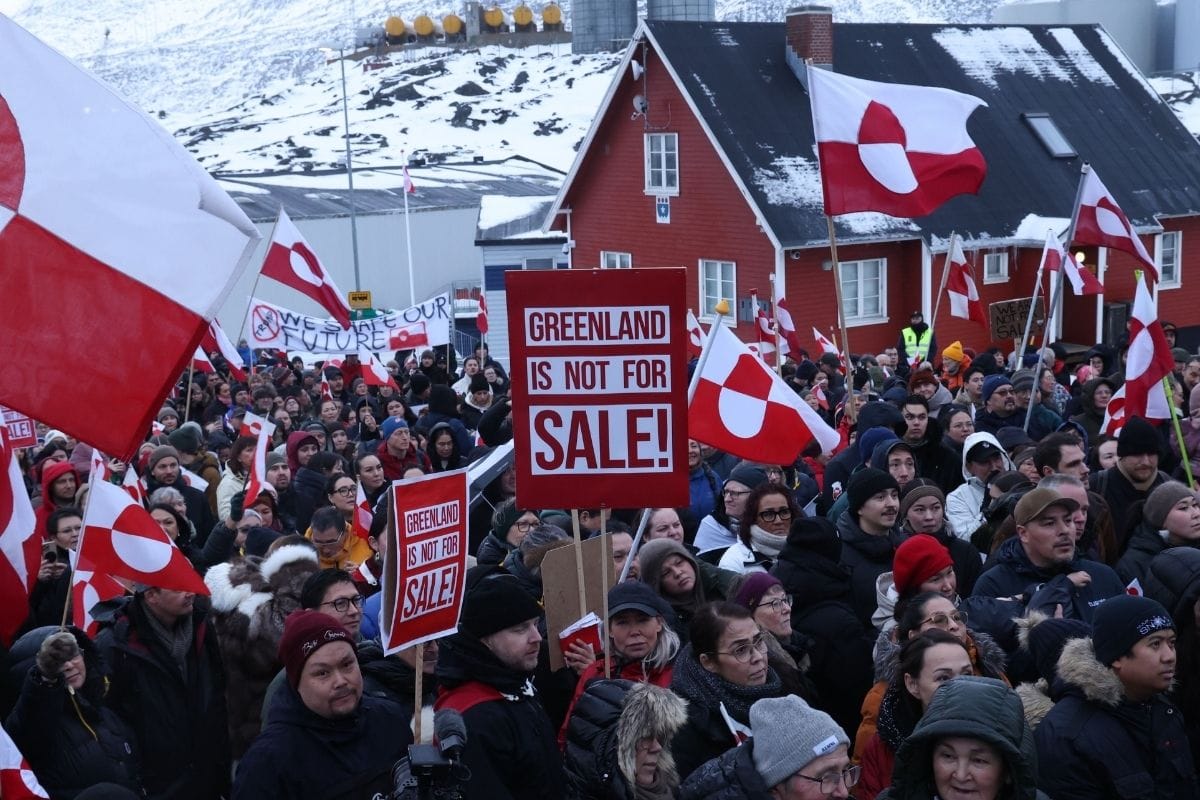
Thousands of protesters gathered in Greenland and Denmark over the weekend, waving flags and holding signs rejecting U.S. control of the island. In Greenland’s capital, demonstrators stressed that they do not want to be treated like a bargaining chip in a geopolitical power play.
Many protesters said the debate isn’t just about politics, it’s about identity, history, and the right to decide their own future.
“We are not something to be bought or threatened,” one protest sign read.
Why Greenland Is at the Center of It All
Greenland might seem remote, but its importance has never been greater.
Its location between North America and the Arctic makes it critical for missile early-warning systems and military monitoring. As climate change melts Arctic ice, the region is opening up to new shipping routes and strategic competition.
Greenland is also rich in valuable resources, including rare earth minerals used in everything from smartphones to advanced weapons systems.
Trump has repeatedly argued that the U.S. must control Greenland to protect national security, insisting that allowing rivals like Russia or China to expand influence in the Arctic would be a serious mistake.
He has even said the U.S. would get Greenland “the easy way or the hard way”, comments that sent shockwaves through European capitals.
Tariffs as a Political Weapon
What has alarmed allies most isn’t just Trump’s interest in Greenland, it’s how he’s pursuing it.
Using tariffs as leverage against friendly nations over territorial issues is highly unusual. European leaders say it turns economic tools into political weapons and undermines the trust that alliances depend on.
Economists have also warned that the proposed tariffs would hurt businesses and consumers on both sides of the Atlantic, raising prices and creating uncertainty in already fragile markets.
The dispute has exposed growing cracks in the relationship between the U.S. and Europe. While Trump frames his push as a matter of strength and security, many European leaders see it as a threat to international norms built after World War II.
Still, most governments say they want dialogue, not confrontation. Several officials stressed that Arctic security can be handled through cooperation, existing NATO agreements, and mutual respect.
But patience is wearing thin.
What Comes Next
For now, Trump has not backed away from his tariff threat, and European leaders remain firmly opposed. Whether talks can calm the situation before the tariffs take effect remains unclear.
What is clear is that Greenland, once rarely mentioned in global politics, has become a symbol of something much larger: a struggle over power, alliances, and how the world’s major players interact with one another.
As protests continue and diplomatic pressure builds, the coming weeks may determine whether this crisis subsides or pushes Western alliances into their most serious test in decades.