Trump Threatens Tariffs to Force Support for Greenland Takeover

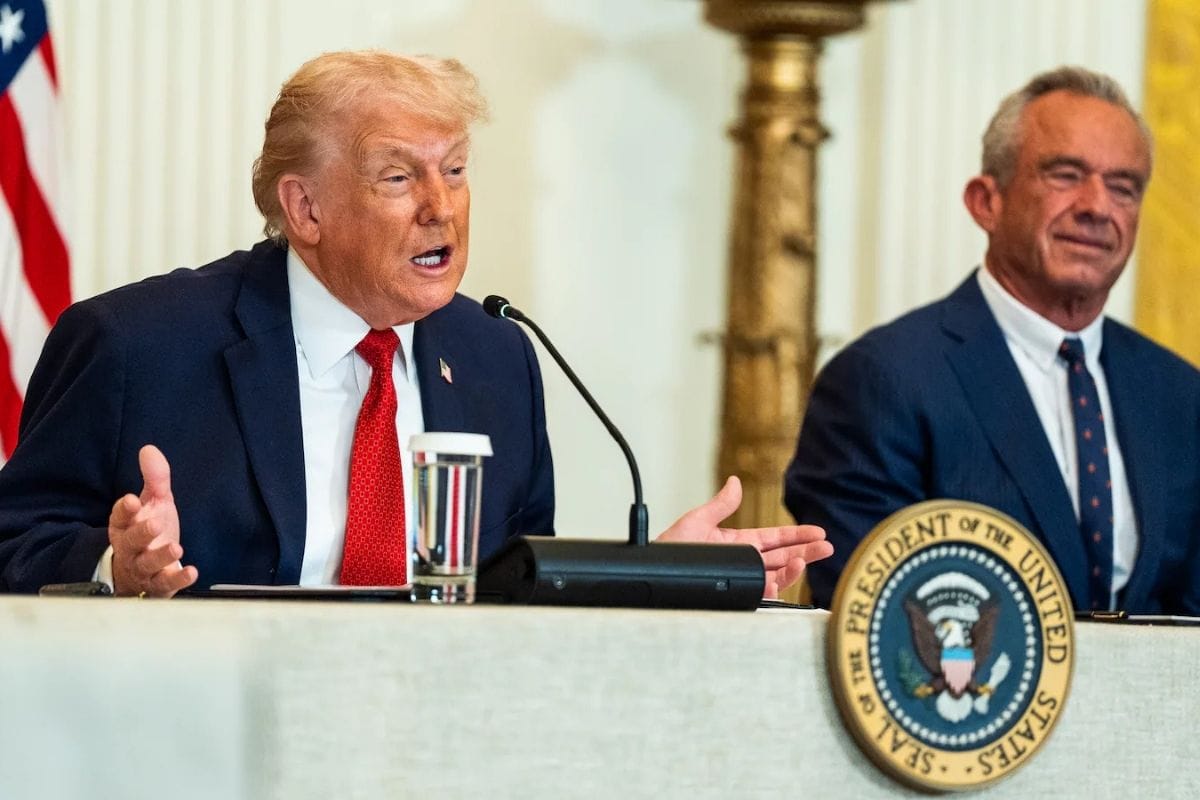
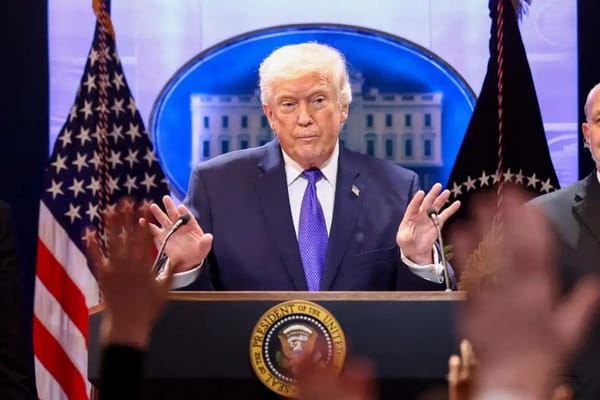
President Donald Trump has once again sent shockwaves through global politics, this time by suggesting that the United States could impose tariffs on countries that oppose his push to take control of Greenland. Speaking casually but pointedly at the White House on Friday, Trump made it clear that economic pressure is firmly on the table.
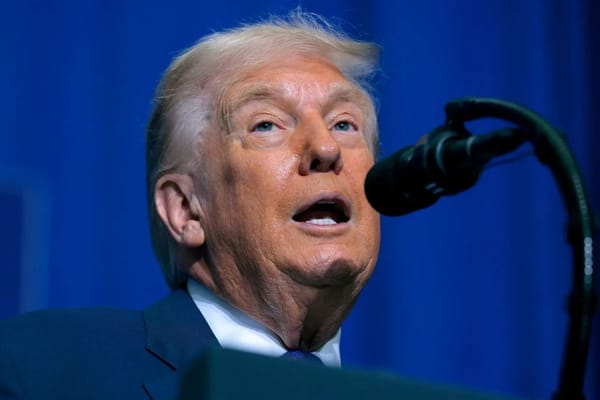
“I may put a tariff on countries if they don’t go along with Greenland,” Trump said, arguing that U.S. control of the Arctic island is essential for national security. It was the first time he openly linked trade penalties to the Greenland issue, and it immediately raised concerns among U.S. allies.
Trump didn’t specify which countries could be targeted or how such tariffs would be implemented. But the message was unmistakable: resistance to his Greenland plan could come at a financial cost.
Why Trump Is So Focused on Greenland
To Trump, Greenland isn’t just an icy landmass at the edge of the world. It’s a strategic prize. The island sits between North America and the Arctic, placing it at the crossroads of emerging shipping routes and potential military flashpoints. It also holds vast reserves of oil, gas, and rare earth minerals materials that are critical for modern technology, clean energy, and defense systems.
The United States already operates Pituffik Space Base in northwest Greenland, a Cold War-era installation that plays a role in missile detection and space monitoring. Trump has argued that full U.S. control of Greenland would make America safer and strengthen NATO’s northern defenses.
But Greenland is a self-governing territory within the Kingdom of Denmark, and leaders in both Greenland and Denmark have repeatedly said the island is not for sale. Public support inside the United States is also limited, with polls showing most Americans are unconvinced by the idea.
Allies Push Back
Trump’s remarks have rattled Europe. The idea that the United States, NATO’s most powerful member, might annex territory belonging to another NATO ally has triggered rare unity among European governments.
Denmark has warned that any attempt to seize Greenland by force would effectively end the NATO alliance. In response to Trump’s escalating rhetoric, Denmark announced plans to expand its military presence on the island, coordinating closely with its allies.
Several European nations, including France, Germany, Norway, Sweden, Finland, and the Netherlands, have since confirmed that they are sending military personnel to Greenland. Canada and France have also said they plan to open consulates in Nuuk, Greenland’s capital, reinforcing diplomatic support for the territory’s autonomy.
The coordinated response underscores how seriously Trump’s comments are being taken — and how much is at stake.
Talks, But No Agreement
Earlier this week, Denmark’s foreign minister and Greenland’s foreign minister traveled to Washington to meet with senior U.S. officials. The discussions were described as direct and honest, but they did not produce a breakthrough.
Danish Foreign Minister Lars Løkke Rasmussen said both sides agreed to form a high-level working group to explore whether common ground could be found. At the same time, he stressed that Denmark’s core position has not changed: Greenland’s future must be decided by Greenlanders themselves.
For now, the talks appear to be more about keeping diplomatic channels open than reaching an actual deal.
Tariffs as Leverage
Trump’s threat to use tariffs reflects a familiar approach. Throughout his political career, he has treated trade policy as a tool to force concessions, often arguing that economic pressure works faster than traditional diplomacy.
Still, experts warn that using tariffs against allies could backfire. Higher import taxes often raise prices for American consumers and strain long-standing partnerships. There are also legal questions about how much authority Trump has to impose country-specific tariffs, with the Supreme Court expected to rule soon on a case that could limit his powers.
Even if those limits apply, Trump would still have other, narrower options to raise tariffs, though none are as straightforward as he might prefer.
NATO Caught in a Tight Spot
Despite the political tension, military cooperation continues. Danish commanders have emphasized that joint exercises with U.S. forces in Greenland are ongoing and focused on deterring potential threats from Russia in the Arctic.
At the same time, Danish officials have stressed that there is no immediate military danger to Greenland. The recent deployments are meant to signal unity and deterrence, not preparation for conflict.
Still, Trump’s remarks have put NATO in an awkward position, forcing the alliance to manage internal strain at a time when global security challenges are already growing.
What Happens Next
Trump has not announced any concrete steps toward annexing Greenland or imposing tariffs at least not yet. But his willingness to escalate the issue suggests it isn’t going away.
As diplomats continue talks and European leaders reinforce their positions, Greenland has emerged as one of the most unexpected geopolitical flashpoints of Trump’s presidency. Whether the tariff threat is simply a negotiating tactic or a preview of future action remains unclear.
What is clear is that an island once rarely mentioned in global politics is now at the center of a debate about power, sovereignty, and how far the United States is willing to go to protect what it sees as its strategic interests.