Trump Vows 100% Tariffs on Europe as Greenland Standoff Explodes
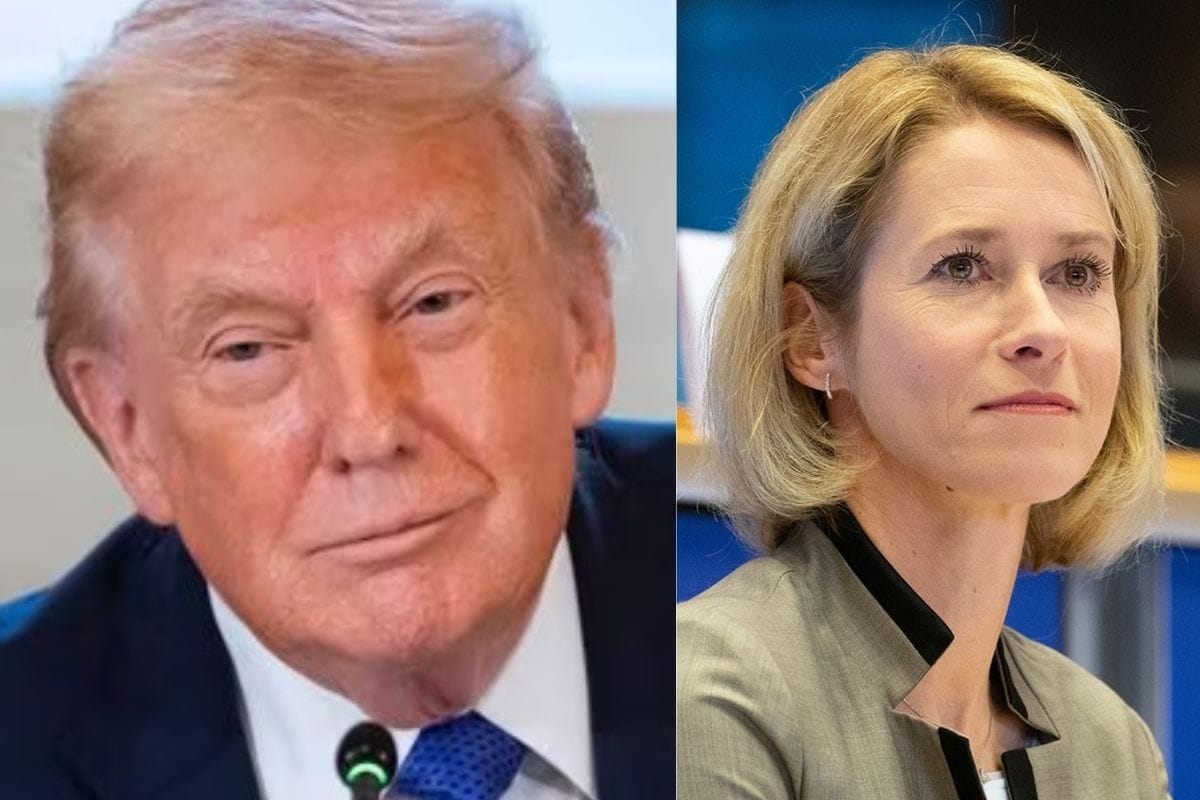
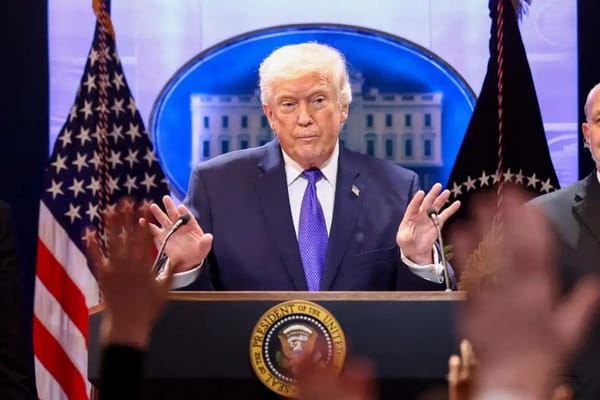
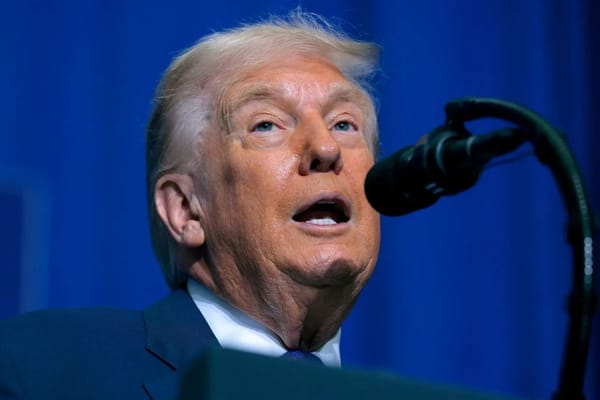
President Donald Trump has once again put Greenland at the center of an escalating transatlantic standoff, vowing to fully carry out his threat to impose tariffs on European countries that oppose his plan for the United States to take control of the Arctic island. Speaking this week, Trump said he would “100%” move forward with the tariffs, signaling that his administration has no intention of backing down despite strong resistance from Europe.
The comments have sent shockwaves through NATO allies and raised fresh concerns about trade relations, military alliances, and the future of Greenland’s sovereignty.
A Firm Threat From the White House
Trump’s latest remarks came after days of mounting tension between Washington and European capitals. The president confirmed that he intends to slap tariffs on goods coming into the United States from eight NATO-allied countries, including the United Kingdom, Denmark, Germany, France, Sweden, Norway, the Netherlands, and Finland.
Under Trump’s proposal, imports from these countries would face a 10% tariff starting February 1, rising to 25% by June 1 unless negotiations over Greenland result in what Trump considers an acceptable deal.
When asked directly whether he would follow through on the threat, Trump was blunt. “I will, 100%,” he said, leaving little room for doubt.
Trump has repeatedly argued that Greenland is essential to U.S. national security and global stability, citing its strategic Arctic location, growing military importance, and proximity to key shipping routes and missile early-warning systems. He insists that U.S. control of Greenland is not optional but necessary.
“Greenland is imperative for national and world security,” Trump said in a social media post, adding that “there can be no going back.”
Europe Draws Clear Red Lines
European leaders reacted swiftly and firmly. Denmark, which governs Greenland as a semi-autonomous territory, rejected Trump’s stance outright. Danish officials warned that attempting to force control through economic pressure would cross a dangerous line.
Denmark’s foreign minister stressed that ownership of Greenland cannot be negotiated under threat, saying sovereignty is not something that can be bought or bullied into submission.
The United Kingdom echoed that message. UK Foreign Secretary Yvette Cooper said the future of Greenland should be decided only by the people of Greenland and Denmark, calling Trump’s approach unacceptable.
Across Europe, leaders warned that tariffs would only damage trust and deepen divisions at a time when unity is already being tested by global conflicts and economic uncertainty.
Germany’s chancellor said a trade war with the United States would benefit no one and urged restraint. France’s leadership also condemned the move, calling it a dangerous misuse of economic power.
NATO Tensions Rise
The situation has also stirred anxiety within NATO. Greenland holds strategic importance for the alliance, and any move to seize or pressure control of the territory could fracture decades-old defense cooperation.
Denmark has warned that any military action involving Greenland would effectively end NATO as it exists today. In response to Trump’s rhetoric, several European countries have taken symbolic steps to show support for Greenland’s sovereignty, including sending small military contingents to the region.
While those deployments were described as routine and non-aggressive, Trump responded by escalating the tariff threat, further fueling fears of a diplomatic spiral.
Despite the tension, Trump has dismissed European concerns, suggesting that Europe should focus instead on its own security challenges, particularly the ongoing conflict involving Russia and Ukraine.
“Europe ought to focus on the war,” Trump said, implying that Greenland should not be Europe’s priority.
Quiet Diplomacy Behind the Scenes
Amid the public confrontations, quieter diplomatic efforts appear to be underway. Trump said he recently had what he described as a “very good” phone call with NATO’s secretary general and confirmed that talks involving multiple parties are planned to take place in Switzerland later this week.
European officials say they are open to dialogue but insist there are non-negotiable boundaries. Sovereignty, they argue, cannot be traded for tariffs or political convenience.
The European Union has called an emergency summit in Brussels to coordinate a collective response. EU leaders are expected to discuss potential countermeasures, legal options, and strategies to protect European economic interests if the U.S. tariffs go into effect.
EU officials have made it clear they do not want a trade war, but they are prepared to defend themselves if necessary.
“We have no interest in picking a fight,” one senior EU official said, “but we will hold our ground.”
Greenland at the Center of a Global Debate
Greenland itself has become an unlikely focal point of global politics. Though sparsely populated, the island is rich in natural resources and sits at the crossroads of emerging Arctic shipping routes. As climate change reshapes the region, Greenland’s strategic value has increased dramatically.
For Greenlanders, the situation has sparked concern and frustration. Many residents have taken to the streets in recent days to protest Trump’s statements, insisting that their future is not for sale.
Local leaders have repeatedly stated that Greenland is not interested in becoming part of the United States and that decisions about its future must be made democratically, not through external pressure.
What Comes Next?
As the February tariff deadline approaches, uncertainty looms over U.S.–European relations. Markets are watching closely, businesses are bracing for potential disruption, and diplomats are scrambling to prevent a full-scale trade conflict.
Trump has not ruled out using force, though he has declined to comment directly on whether military action is being considered. That ambiguity has only added to European anxiety.
For now, both sides appear locked in a high-stakes standoff. Trump remains convinced that economic pressure will force Europe to reconsider its position. European leaders, meanwhile, are determined to show that sovereignty and alliances cannot be dictated by tariffs.
Whether diplomacy can defuse the crisis or whether it escalates into a broader trade and political conflict remains to be seen. What is clear is that Greenland has become far more than a remote Arctic island; it is now a symbol of shifting global power, strained alliances, and an increasingly unpredictable world order.