Trump Warns Iran “Time Is Running Out” as U.S. Warships Flood the Gulf
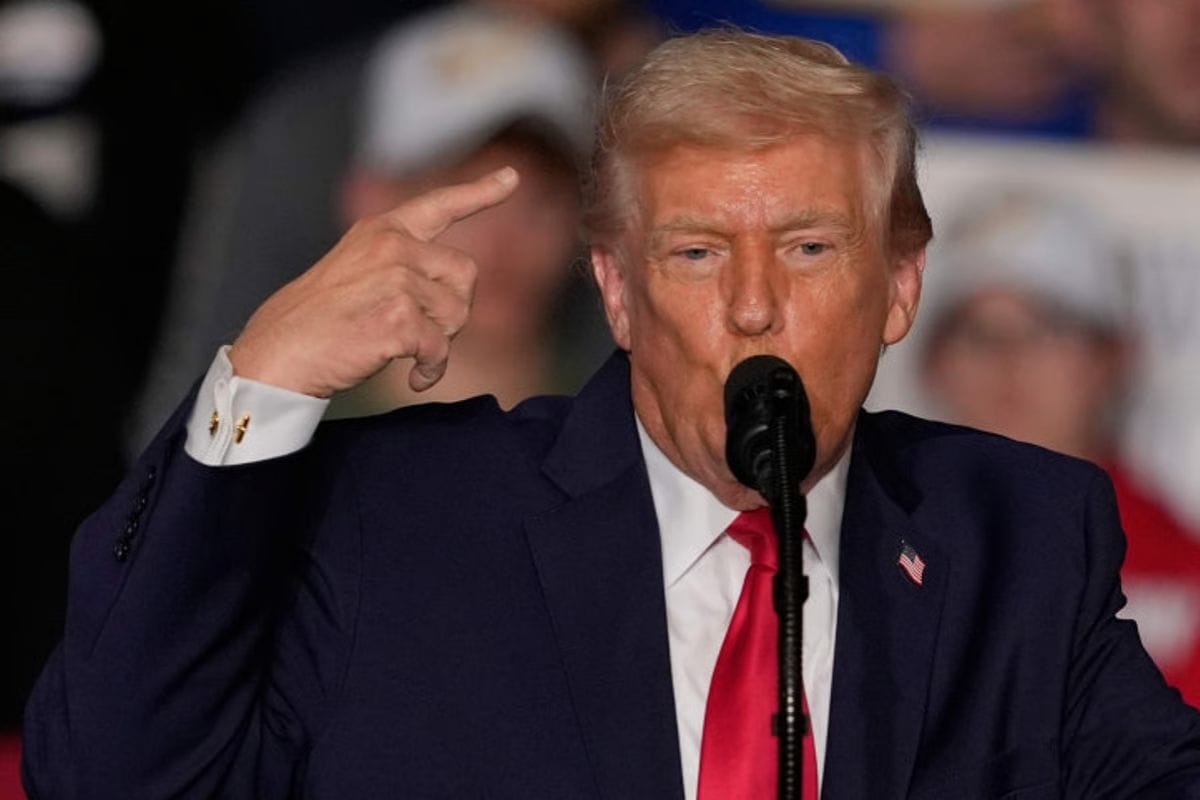
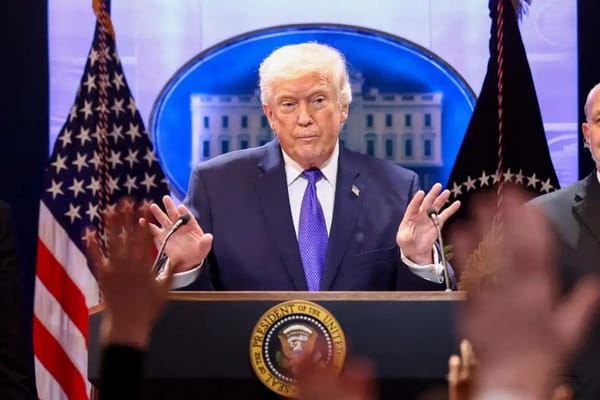
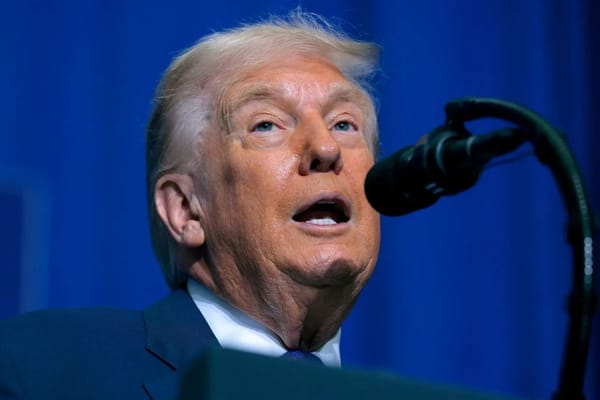
President Donald Trump has issued one of his strongest warnings yet to Iran, saying that “time is running out” for Tehran to agree to a new nuclear deal as the United States rapidly increases its military presence in the Middle East.
Speaking publicly and posting on social media, Trump described a large U.S. naval force moving toward the region, signaling that Washington is preparing for all possible outcomes if diplomacy fails. His remarks have raised international concern, especially as Iran responds with its own sharp warnings and the region grows increasingly tense.
A Growing Military Show of Force
Trump said the U.S. had deployed what he called a “massive armada” to the Gulf, describing it as a powerful naval and air force buildup meant to pressure Iran back to the negotiating table. According to defense analysts and satellite imagery, U.S. forces have been steadily increasing their footprint across the Middle East in recent weeks.
Fighter jets have arrived at air bases in Jordan and Qatar. Surveillance aircraft have been seen operating near Iranian airspace. Refueling planes and cargo aircraft continue to land across the region, suggesting preparations for sustained operations. A U.S. aircraft carrier strike group led by the USS Abraham Lincoln is now operating in the Middle East, supported by destroyers and other combat ships.
Officials insist the buildup is defensive, aimed at protecting U.S. personnel and allies. But Trump’s language made clear that the show of force is also meant to send a message.
“If Iran does not come to the table quickly,” Trump warned, “the consequences will be far worse than anything before.”
Iran Pushes Back With Its Own Warning
Iran responded swiftly and forcefully. Foreign Minister Abbas Araghchi said the country’s armed forces are on high alert and ready to respond “immediately and powerfully” to any attack.
“Our fingers are on the trigger,” Araghchi said, emphasizing that Iran would defend itself on land or at sea if threatened.
Iranian leaders insist their nuclear program is peaceful and accuse the U.S. of using threats and intimidation rather than genuine diplomacy. Tehran has repeatedly denied claims that it is seeking nuclear weapons, arguing instead that it is pursuing civilian nuclear technology for energy and research.
Iran has also increased its own military readiness, deploying a drone carrier ship near its coastline and conducting exercises meant to show it is prepared for confrontation if necessary.
Protests, Crackdowns, and a Human Rights Crisis
Trump’s warning comes against the backdrop of widespread unrest inside Iran. Protests erupted after a dramatic collapse of the Iranian currency, but quickly grew into a broader movement challenging the country’s clerical leadership.
Human rights groups report staggering numbers. The U.S.-based Human Rights Activists News Agency says more than 6,300 people have been killed since the unrest began, the vast majority of them protesters. Another organization, Iran Human Rights, warns that the final death toll could exceed 25,000.
Trump initially suggested that the U.S. might intervene to support protesters, saying “help is on the way.” He later walked back those comments, saying he had been told executions had stopped, though independent verification remains difficult due to internet shutdowns inside Iran.
Focus Shifts Back to the Nuclear Question
Despite the unrest, Trump’s recent comments center primarily on Iran’s nuclear program. He has urged Tehran to negotiate a “fair and equitable” deal that ensures Iran never develops nuclear weapons.
Trump reminded Iran of U.S. strikes carried out last year on key nuclear facilities during Iran’s brief war with Israel. He warned that any future U.S. attack would be “far worse.”
Iranian officials counter that those strikes caused limited damage and say nuclear materials were moved in advance. Tehran later retaliated with missile strikes on a U.S. base in Qatar, an attack Trump dismissed as weak but expected.
Why the Nuclear Deal Matters
Under the 2015 nuclear agreement, Iran agreed to strict limits on uranium enrichment and allowed international inspections. Trump withdrew the U.S. from the deal in 2018, calling it flawed and ineffective, and reimposed sanctions that severely damaged Iran’s economy.
Since then, Iran has gradually violated the deal’s restrictions, enriching uranium at higher levels and expanding its nuclear capabilities. U.S. officials say Iran must halt uranium enrichment, scale back its missile program, and stop backing armed proxy groups across the Middle East as part of any new agreement.
Iran says negotiations are possible but only if talks are genuine and free from threats.
“War may be easy to start,” one Iranian official warned, “but it is not easy to control how it ends.”
A Region on Edge
Experts say the current situation is one of the most dangerous standoffs in years. While neither side appears eager for a full-scale war, the combination of military buildup, political unrest, and harsh rhetoric increases the risk of miscalculation.
Secretary of State Marco Rubio told lawmakers that Iran’s leadership is weaker than ever and struggling to address economic collapse and public anger. Still, he acknowledged that the U.S. must be prepared for retaliation against American forces in the region.
For now, diplomacy remains possible, but the clock is ticking.
Trump’s message to Iran is blunt: negotiate soon, or face consequences. Iran’s response is equally clear: pressure and threats will not work.
As warships move into place and tensions rise, the world watches closely, hoping the crisis ends at the negotiating table rather than on the battlefield.