Trump–Xi Phone Call Signals Shift in US China Relations Amid Taiwan Tensions

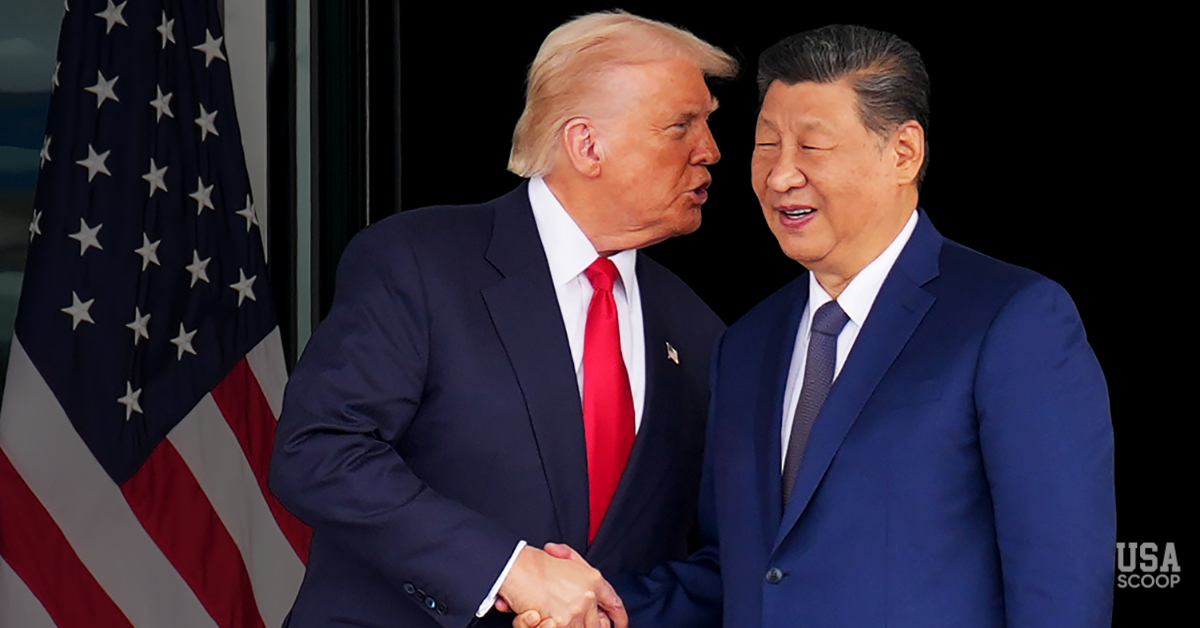
A conversation between US President Donald Trump and Chinese President Xi Jinping builds on a fragile trade truce, but deeper strategic fault-lines remain, especially on Taiwan, technology, and global influence.
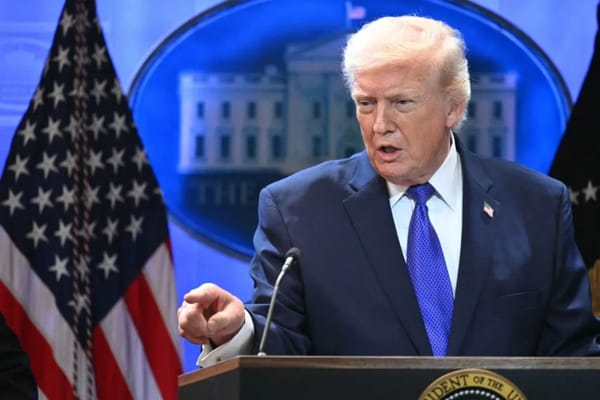
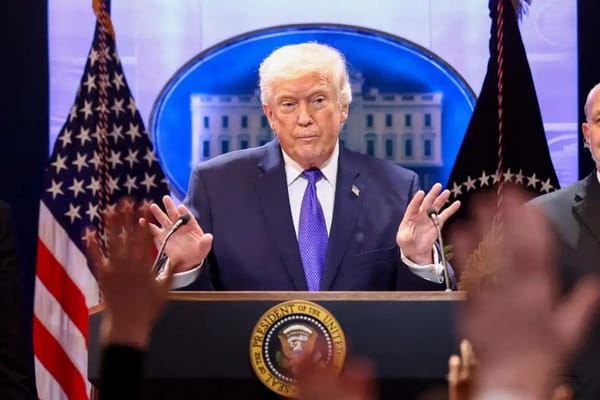
On 24 November 2025, Donald Trump and Xi Jinping held what both sides described as a very good telephone call, showing a moment of recalibration in the US-China relations.
According to Chinese state media, Xi told Trump that Taiwan’s return to China is an integral part of the post-war international order.
The call came just weeks after the pair’s summit in Busan, South Korea, where they announced a one-year trade truce that eased tariffs, resumed Chinese soybean purchases, and shelved rare-earth export curbs.
While the gesture is upbeat, there remains caution that the phone call may reflect tactical alignment rather than a strategic shift, and that significant structural issues remain unresolved.
Trade Truce Is Good News, But With Fragile Foundations
At the heart of the call was continued momentum on trade, following the Busan summit, where China agreed to purchase US agricultural goods and the US pledged to cut back tariffs.
The conversation reportedly included topics such as soybeans, fentanyl trafficking, and broader economic cooperation.
For farmers, soybean export commitments and tariff relief are tangible wins, yet the truce is fragile, as many of the issues that sparked the trade war persist, with technology transfer disputes, export controls on semiconductors, rare earths, and the broader question of economic decoupling.
The phone call builds on the truce, but does not yet highlight a full reset of contested structural points.
The Strategic Undercurrent
One of the most delicate threads in the conversation was Taiwan. While Trump’s public statement made no reference to Taiwan, Chinese media reported Xi pressing the issue as being key to the post-war international order.
Xi’s framing shows Beijing’s longstanding position that the island is part of China and not subject to self-determination. The ambiguity is strategic for Washington, as the US does not recognize Taiwan as a sovereign state, but remains its most important arms supplier.
The question now is how far Taiwan will feature in the bilateral agenda, especially as Japan has explicitly warned that it may intervene militarily if China attacks Taiwan.
The call may represent diplomatic signalling, but the Taiwan question remains a latent flashpoint with global implications.
Ukraine, Fentanyl and Tech Rivalry
The subject list for the call extended well beyond commerce and sovereignty.
Trump later said the two leaders addressed the war in Ukraine, fentanyl trafficking and other farm-product deals. These topics hint at the breadth of the US-China competition in global governance, ranging from drug supply chains to peace-making in Europe.
On technology, China has been under US pressure over limits on rare-earth exports, chip exports and controls on high-end AI hardware.
While the call did not publicly clarify breakthroughs in these areas, the struggle continues over China wanting technological access, but the US wants to maintain a strategic advantage.
Whether communication improves or simply delays confrontation will shape tech and trade architecture in the years ahead.
In Trump’s case, the optics of the call reinforce his foreign-policy message, i.e. strong leadership, deal-making with global powers, harvest wins for US farmers and a tougher posture on China.
Domestically, he presents the conversation as proof of American strength and global clout.
On Beijing’s side, Xi benefits from being seen as a power with whom Washington negotiates, rather than simply opposes, but beneath the ceremony lies a political balancing act, as both leaders are bound to manage domestic constituencies, farmers, exporters, defence sectors, technology companies, and ensure that any perceived concession does not erode their perceived strength.
This dynamic makes sustained progress harder than a single call suggests.
Calls between heads of state may signal intent, but implementation depends on the follow-through for the same. In this case, the key questions are whether China will meet its purchasing commitments.
The Busan truce is scheduled to last a year, but if either side reverts to old rhetoric or tactics, the momentum could unwind quickly in the coming times. The new engagement also promises more communication, but unless hard deliverables tend to emerge, the call may be remembered as an overture rather than an outcome.
Why the World Is Watching
A recalibrated US-China relationship has ripple effects across geopolitics, sea lanes, supply chains, global tech competition, climate initiatives, and arms control.
Stabilizing ties between the world’s two largest economies can reduce global market volatility, support major-power cooperation on issues like Ukraine or climate, and ease pressure on global supply chains. This phone call, therefore, holds influence far beyond bilateral politicking.
The phone call between Trump and Xi is undeniably a sign of movement.
It builds on a trade truce, touches key strategic questions, and projects calm amidst a historically adversarial relationship.
That said, the major unresolved issues, Taiwan’s status, tech and export controls, structural trade imbalances, still loom large in the given context and scenario.
The value of the call will ultimately be judged by whether it opens a pathway to sustainable cooperation or becomes a temporary pause in competition. For now, the message is one of cautious optimism, but the test of substance, however, is just beginning.