Trump’s 50 Year Mortgage Idea Is Either Brilliant or Terrifying
Donald Trump’s newest housing pitch is making waves and plenty of headlines.
The former president floated the idea of a 50-year mortgage, saying it could help more Americans buy homes amid soaring prices and interest rates.
At first glance, it sounds like relief. A longer mortgage term means smaller monthly payments and, in theory, easier home ownership. But experts warn it could also leave future generations paying for today’s houses well into retirement.
What Trump Said
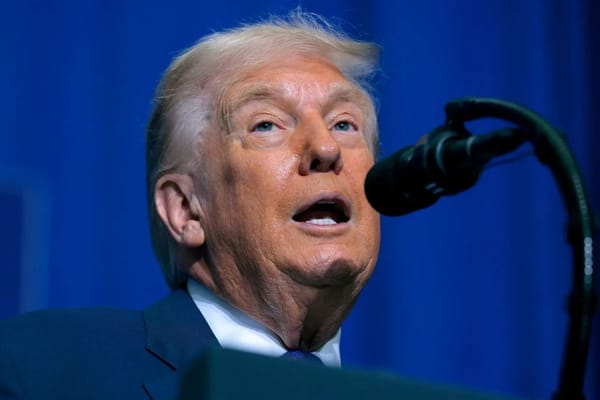
During a recent campaign appearance, Trump said his administration would “bring housing affordability back” and in a recent post on Truth Social he proposed a idea of creating a government-backed 50-year mortgages. He framed it as a way for young Americans to finally break into the housing market after years of being priced out.
“People deserve a home they can afford — not a mortgage that crushes them,” Trump said at a rally, according to HousingWire.
The Reaction
Economists and financial analysts quickly split over the idea.
Supporters say it could ease pressure on first-time buyers by lowering monthly payments and spreading debt across generations.
Critics argue it’s a short-term fix that hides a long-term problem. “Stretching a loan for half a century doesn’t make homes cheaper, it just makes debt last longer,” one Reddit user wrote in a viral AskEconomics thread that’s now trending.
Some also warn it could inflate housing demand, driving prices even higher, the exact opposite of what buyers need.
The Numbers Game
Under a 50-year plan, monthly payments would be smaller than today’s 30-year mortgages, but total interest paid could nearly double.
According to Men’s Journal, a $400,000 home at 6% interest would cost about $463,000 more in interest over 50 years.
Economists say the only clear winners could be banks and investors holding those long-term notes, not borrowers footing the bill for five decades.
A Global Comparison
Long-term mortgages aren’t new.
Japan and the UK already offer loans stretching to 50 years, sometimes even 100. But those products are rare in the US, where 15- and 30-year mortgages dominate because of their predictability and resale value to investors.
If implemented, Trump’s plan would mark a major structural change in American lending, one that could reshape how families pass property and debt through generations.
Public Reaction
Online, the response has been fierce. Reddit threads and X (formerly Twitter) posts range from jokes about “mortgages longer than marriages” to serious concerns about economic fallout.
Still, some younger voters see the idea as a lifeline in an impossible market. “If rent is forever anyway, at least I’d own something,” one commenter posted.