Trump’s December 2025 Cabinet Meeting Reveals Strain As Photos Surface

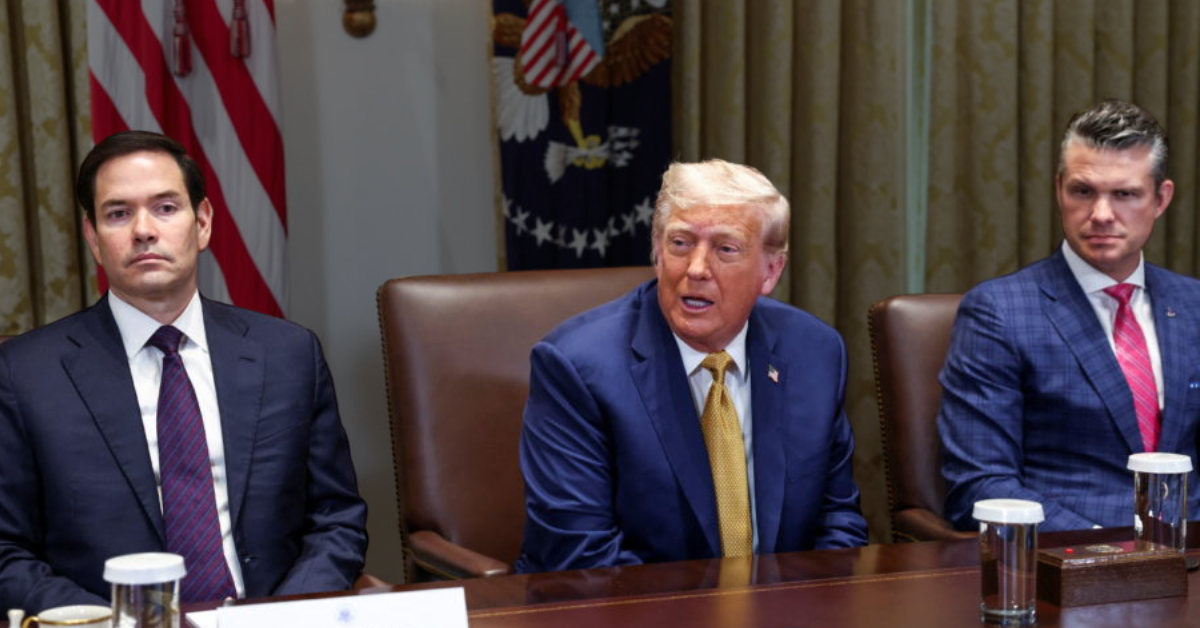
Photography from the White House offers a window into leadership, optics, and pressure at a fraught moment in US governance.
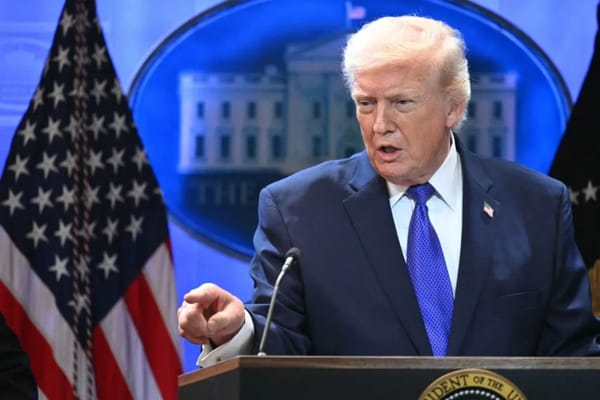
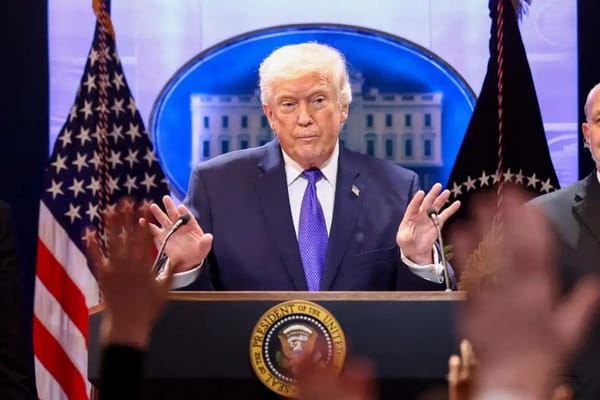
The newly released photo gallery of the December 2, 2025, cabinet meeting shows the familiar, a large oval room lined with officials, sharp suits, and policy briefings, yet under the surface, the images carry subtle signals of strain and shifting dynamics.
The sequence begins with wide-angle shots, with the President seated at the head of the Cabinet table, Secretaries clustered, aides positioned at the perimeter, and the flags and the seal of the White House framing the mise en scène.
In closer frames, the contrast becomes more tangible.
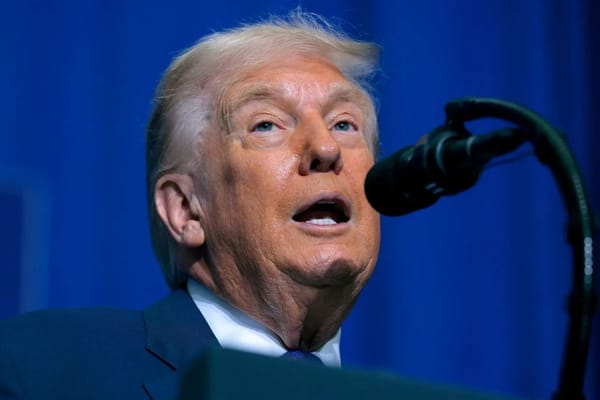
Some ministers lean forward intently, while others glance down at documents. In a few photos, the President appears to be listening, but elsewhere, there are moments of apparent fatigue, with his eyes half-closed, a pause in posture, and hands resting on the table. Media outlets covering the meeting reported that at several points, Trump appeared to struggle to stay awake, closing his eyes briefly during what stretched into a long session.
Even the ancillary details, a water bottle placed near the President’s lectern, a thick folder on the table, tightly clenched hands, contribute to a larger impression that this is policy-making under pressure, and also a gathering in which fatigue, rhetoric, and high-stakes decisions meet in the same room.
Why This Meeting Matters More Than Just a Photo Op
The administration is navigating a host of contentious issues, with ongoing military operations overseas, internal disputes over immigration and domestic security, and shifting economic measures, alongside a broader public mood of uncertainty. In many ways, the faces captured in the room reflected burden.
Visual documentation becomes an unofficial record beyond transcripts and press statements. In past administrations, photos served mostly as formality or ceremony, and now they are evidence of continuity, stress, composure, or the lack thereof. The gallery offers what official minutes cannot, which are body language, tension, disengagement, solidarity, and glimpses behind closed doors.
The Thin Line Between Optics and Reality
Of course, photographs are snapshots in time, frozen frames that may mislead as much as they reveal, and a moment of apparent drowsiness might be a pause and a signal of concentration rather than fatigue. A head turned away, a closed folder, a masked reaction, these may or may not reflect deeper truths.
Yet when multiple signals align, along with the reported long meeting duration, testimonies of closed eyes, the compressed posture of participants, the media’s attention to detail, the cumulative effect is rather hard to dismiss. The images make the intangible tangible, as they invite interpretation, doubt, and concern.
And for the administration itself, that visibility carries risk, as in times of controversy, military decisions, domestic policy reversals, social tension, and every photograph becomes a record to defend, a frame from which meaning will be drawn, contested, and reshaped.
What Public & Political Observers Should Be Watching
How does the administration sustain performance under duress? If cabinet sessions remain long and frequent, pressure intensifies, fatigue, mental or physical, may begin to show more often, and should such signals become recurring, public confidence could waver in the long run.
Body language reveals more than words. Are ministers aligned, attentive, participating? Or do some appear disengaged, distant, unconvinced? Internal unity or fragmentation could become visible in pictures before it becomes visible in policy.
Also, the decision to release photos, what’s shown and what’s omitted, highlights the administration’s willingness to let the public observe its inner workings. Is this a genuine openness or carefully curated optics? Watch which moments are shared and which aren’t.
Finally, perception versus reality, i.e., opponents, media, and public could draw strong conclusions from these images. That in itself becomes part of political strategy, shaping narratives about competence, vigor, and legitimacy.
A Cabinet Meeting as a Mirror to Governance’s Pressures
The December 2 gallery serves as a frame in which to see power, with all its demands, vulnerabilities, triumphs, and cracks. The Oval Office and Cabinet Room become more real places where decisions are weighed under human limitations.
The photos offer a quiet but powerful kind of transparency, and they remind us that behind every policy announcement, statement, or executive order, there are frail, fallible human beings who are subject to fatigue, pressure, hope, and doubt. In that sense, this cabinet meeting matters for what it reveals about the toll of governing, the weight of the moment, and the nature of power in real time.