Trump’s Greenland Envoy Move Sparks Tension as Denmark and Islanders Push Back
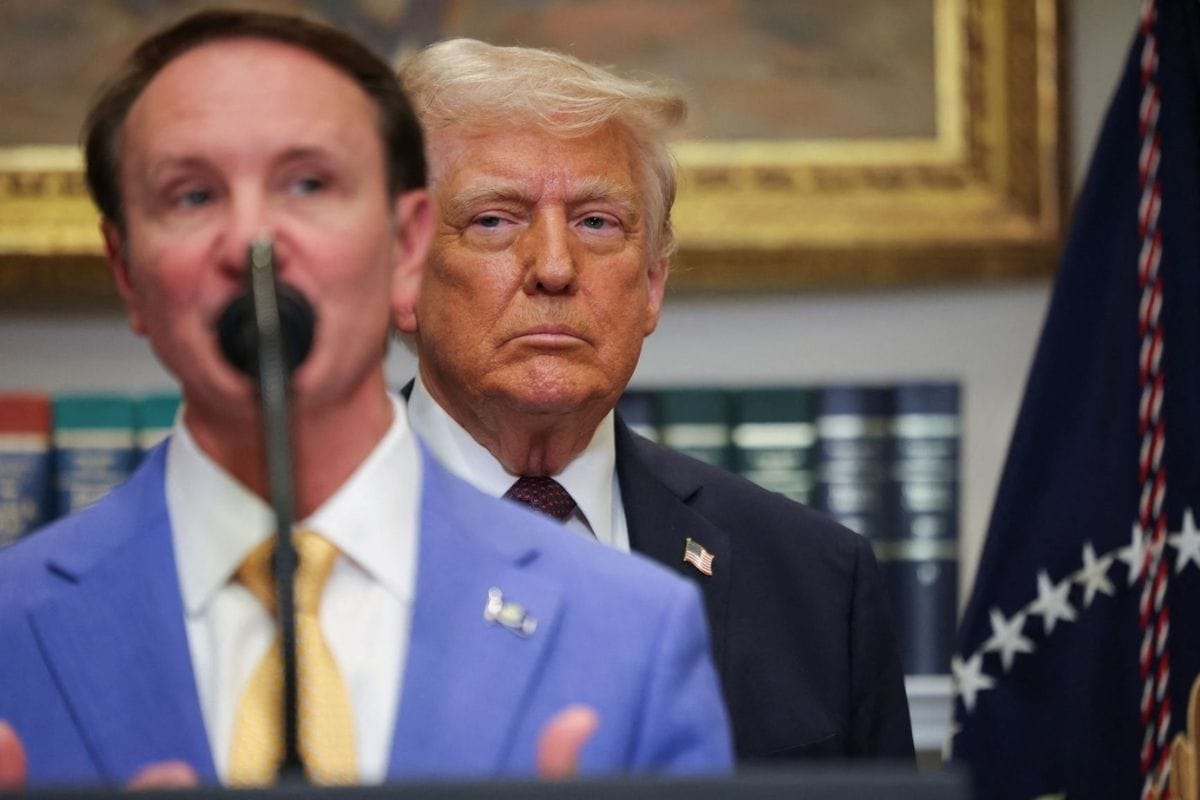
When Donald Trump announced the appointment of a special envoy to Greenland, it didn’t take long for the reaction to turn tense. What may have been framed by Trump as a strategic move quickly stirred frustration and concern in both Denmark and Greenland, where leaders made it clear they were not interested in outside interference.
At the heart of the dispute is a familiar issue: who gets to decide Greenland’s future. And once again, leaders in Greenland and Denmark say the answer is simple, not the United States.
A Decision That Reopened Old Wounds
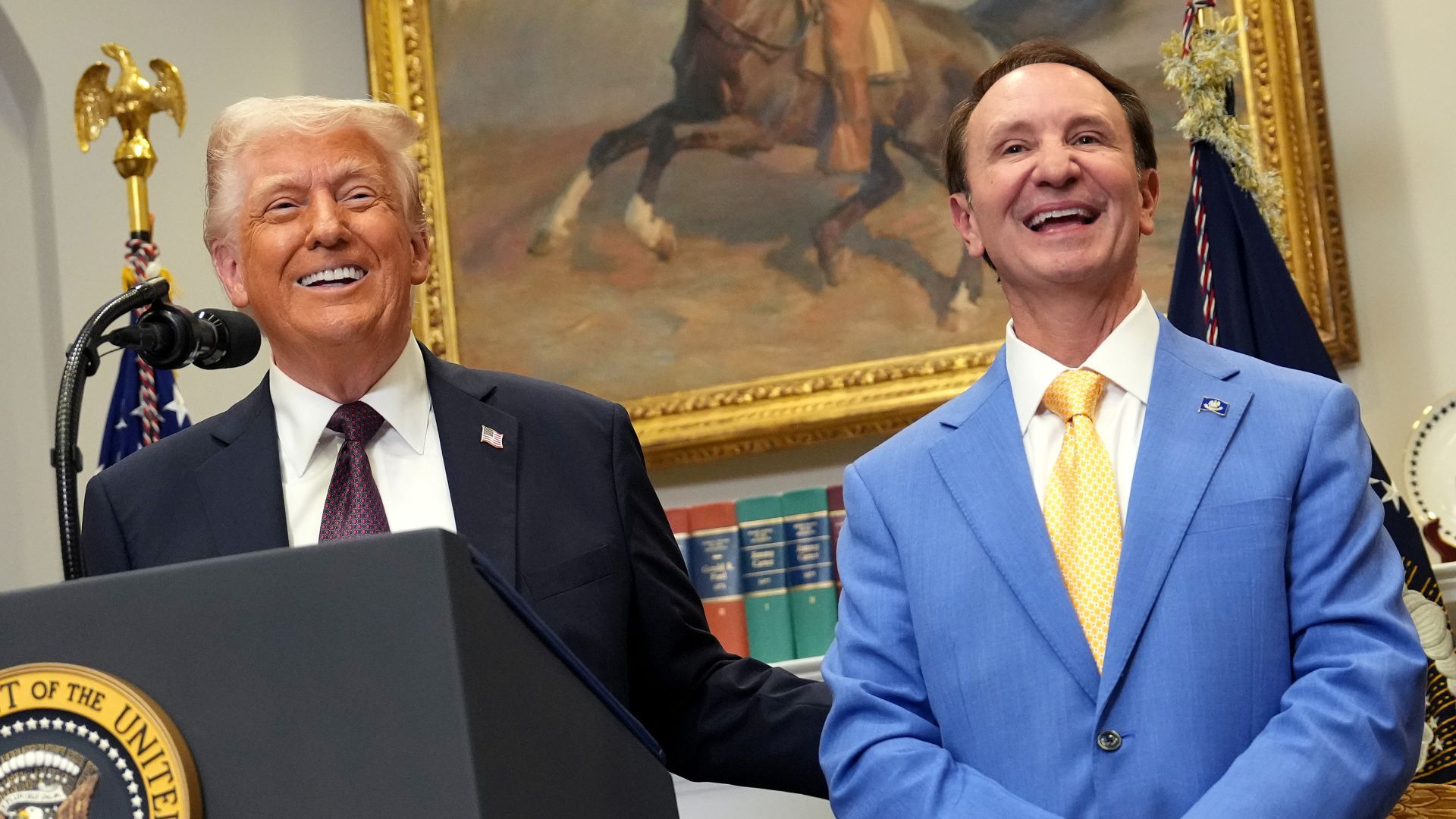
Trump named Louisiana Governor Jeff Landry as a special envoy to Greenland, describing the role as a way to strengthen American interests in the Arctic. But comments surrounding the appointment quickly raised eyebrows, especially after Landry suggested closer integration between Greenland and the U.S.
To leaders in Nuuk and Copenhagen, those remarks crossed a line.
Greenland’s leaders responded with blunt clarity. While they acknowledge the long-standing cooperation with the United States, especially on security, they stressed that Greenland’s political future is not up for negotiation.
“Greenland belongs to Greenlanders,” officials said, repeating a message they’ve delivered before.
Why Greenland Keeps Drawing Attention
To many Americans, Greenland may seem distant and remote. But strategically, it sits at a crossroads between North America and Europe, making it one of the most important pieces of real estate in the Arctic.
The United States already has a military presence on the island, and interest in the region has grown as climate change opens new shipping routes and exposes valuable natural resources. That growing attention has also attracted other global powers, adding to the pressure.
Trump has long argued that Greenland’s location makes it critical to U.S. national security. His renewed interest, however, has revived memories of earlier moments when he openly floated the idea of acquiring the island an idea that was swiftly rejected.
Denmark Draws a Firm Line
Denmark, which oversees Greenland’s foreign policy and defence, reacted sharply to the envoy's appointment. Officials described the messaging around the role as disrespectful and unnecessary, warning that it could strain relations between two long-standing allies.
Behind the scenes, Danish leaders expressed concern that such rhetoric undermines trust within NATO, especially at a time when cooperation is crucial amid global instability.
“This is not how allies treat each other,” one official said privately, reflecting a broader unease in Europe.
For people living in Greenland, the debate isn’t just diplomatic, it’s deeply personal. With a population of roughly 57,000, Greenlanders have spent decades navigating their relationship with Denmark while discussing what greater autonomy or independence might look like.
What they don’t want, leaders say, is for powerful nations to decide their future for them.
Polls and public statements have consistently shown little appetite for becoming part of the United States. Instead, many Greenlanders want to strengthen their own institutions and chart their own path, even if that process takes time.
A Risky Diplomatic Moment
Experts say the envoy appointment may not change anything legally, but symbolically, it matters. Words carry weight in international relations, and suggesting ownership or control even indirectly can quickly escalate tensions.
Foreign policy analysts warn that aggressive messaging could backfire, pushing Denmark and Greenland closer to European partners and complicating U.S. influence in the region.
“The U.S. has real interests in Greenland,” one analyst noted. “But influence works best when it’s built on trust, not pressure.”
In the United States, reactions to Trump’s move were divided. Supporters praised it as a bold assertion of American strength and foresight in a strategically vital region. Critics, however, questioned whether the move was more about symbolism than substance.
Some lawmakers warned that antagonising allies over sovereignty issues could weaken long-term U.S. security goals rather than strengthen them.
What Happens Now?
For now, Greenland’s status remains unchanged. Denmark and Greenland have made it clear they expect clarity from Washington about what the envoy role actually entails and what it does not.
The episode has also reignited broader questions about how the U.S. balances strategic ambition with respect for allies and self-governing territories.
As Arctic politics grow more complex, moments like this serve as reminders that diplomacy is not just about power, but about listening.
A Clear Message from the Arctic
If there is one takeaway from the reaction in Greenland and Denmark, it is this: interest is welcome, cooperation is valued, but ownership is off the table.
As global attention continues to turn northward, how the United States chooses to engage may shape its relationships in the Arctic for years to come.
And for Greenlanders, the message remains unchanged: their future is theirs to decide.