Trump’s Lavish Welcome for the Saudi Crown Prince: Big Deals, Bigger Controversy

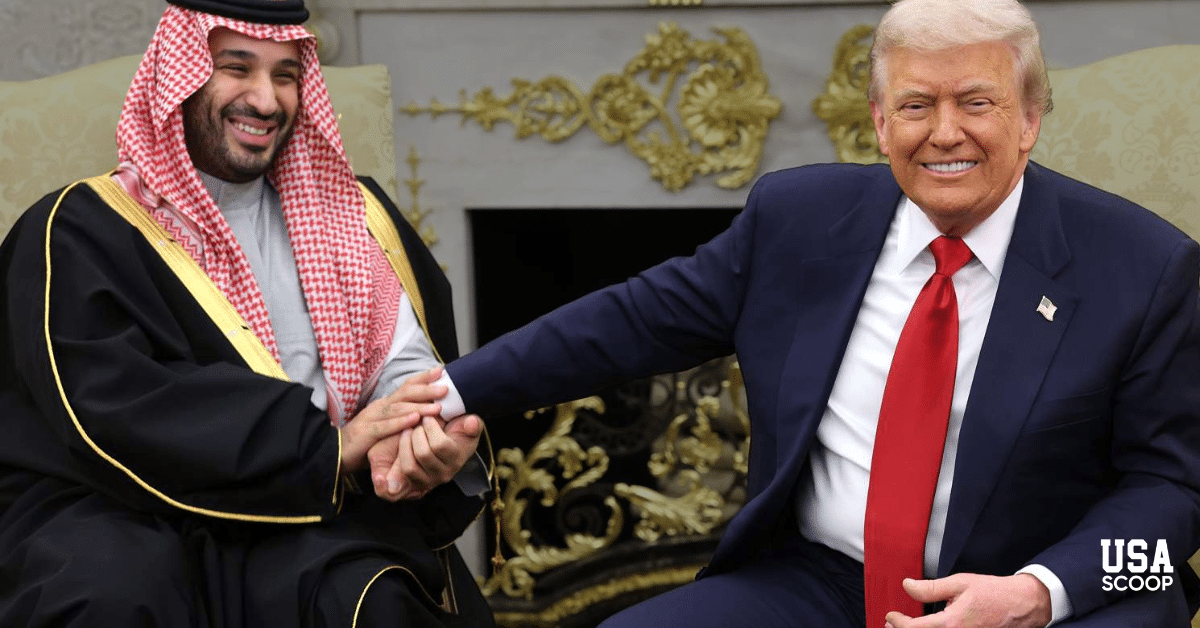
Saudi leader Mohammed bin Salman visits the White House amid arms deals and human rights outcry.
Donald Trump’s summit with Saudi Arabia’s Mohammed bin Salman draws major defence deals and raises major human-rights questions.
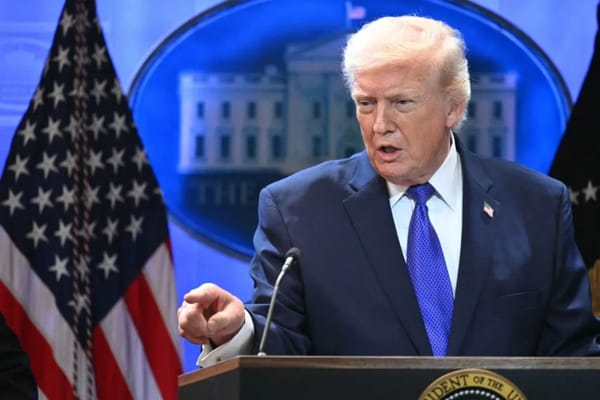
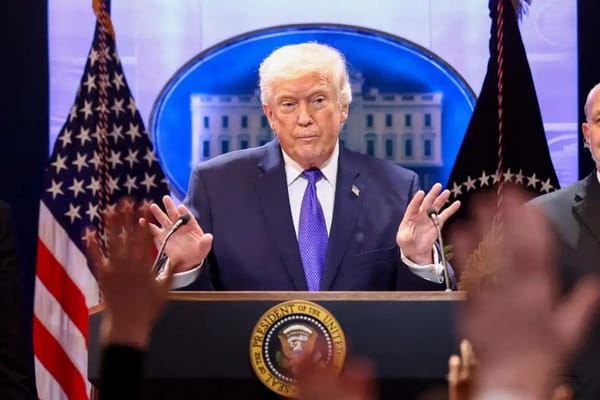
This took place on November 18, 2025, where Donald Trump welcomed Mohammed bin Salman to the White House with all the ceremony of a state visit, military fly-overs, a lavish dinner, rhetoric about friendship and strategic alignment. Yet beneath the glamour, one question echoed. Why is the US so eager to embrace a leader whose name is linked to a journalist’s killing?
What Happened
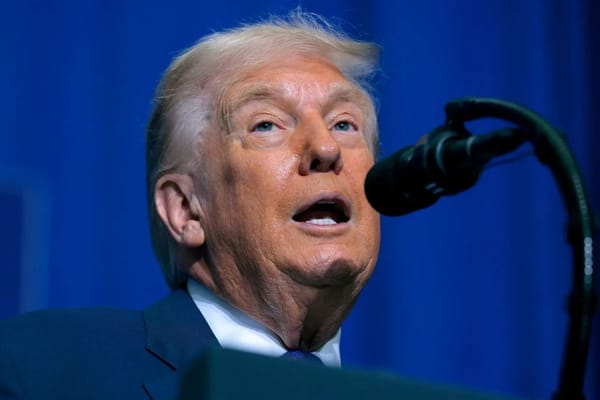
President Trump declared a sweeping new chapter in US-Saudi relations. In remarks to the press, he said the two countries were moving to greater heights, pointedly referencing a pending agreement that would make Saudi Arabia a major non-NATO ally of the United States.
He also said that the US would roll out advanced F-35 fighter jets for purchase by the Saudi regime, a move that would mark a departure from the longstanding US policy of reserving the most advanced aircraft for Israel and select allies.
Behind closed doors, delegates from both nations discussed billions in arms deals, US artificial-intelligence investments in the Kingdom and economic ties anchored in oil and technology.
US officials described the visit as a major win for the “America First” agenda, spotlighting jobs, exports and strategic leverage.
Why This Matters
This visit matters on multiple fronts.
First, it signals a recalibration of Middle East geopolitics.
The US seems ready to rebuild its Saudi relationship after years of diplomatic strain. The timing is crucial, with Iran rising, the region shifting and energy markets in flux, America needs allies. Trump framed Saudi Arabia as a great friend and a powerful ally, making the optics of this visit a message to Washington’s rivals and partners alike.
Second, the deals on the table are monumental. The upgrade in military cooperation, including the F-35 jets and major non-NATO ally status, would entrench Saudi Arabia deeper into the US defence umbrella, altering the regional balance of power. That matters for Israel, for Iran, and for Gulf neighbours watching closely.
Third, the human-rights dimension refuses to fade. The visit reopened wounds from the 2018 murder of journalist Jamal Khashoggi, an event widely connected to bin Salman. His widow had sent a letter pleading for accountability just days earlier.
The fact that the White House glossed over those concerns in public remarks re-ignited questions of values versus interests.
The Backstory
In 2018, the killing of Jamal Khashoggi shook international trust in Saudi leadership. US intelligence assessed that the operation was approved at the highest levels of the Kingdom.
The fallout was diplomatic isolation for Saudi Arabia and criticism for bin Salman. Fast forward to 2025, and the narrative has shifted. The US appears to be offering defence and strategic privileges in exchange for alignment against Iran and investment in American tech. It’s a fragile trade-off of geopolitical advantage for moral compromise.
From Trump’s first term to now, US-Saudi ties have always mixed oil, arms, and power. But this visit marks an escalation, as the designation of Saudi Arabia as a major non-NATO ally would be a formal acknowledgement that the Kingdom is a strategic partner. That matters for how Washington sees the Middle East for decades to come.
Why You Should Care
Even if you don’t follow geopolitics, the implications filter down, as jobs in the US, defence exports, tech investment, and dollars moving across borders.
The decision to deepen ties with Saudi Arabia will affect climate policy, global trade, military strategy, and how the US defines its leadership role in the world. For citizens, the question is simple, Does America stand for interests alone, or also for principles?
Final Thoughts
The smile, the handshake, the dinner table photo, these are the public faces of diplomacy.
But the deal behind those moments is telling.
When Donald Trump called Mohammed bin Salman a friend and announced secretive military privileges, the message was clear, that the US welcomes back Saudi Arabia.
What remains quiet is whether the visit marks closure or continuation of power deals with little resolution of past wrongdoing.
For the White House, this visit may well be a win, but for critics it might feel like a compromise, and for watchers of global politics it is a reminder that often the biggest lifts in power come with the quietest concessions.