Trump’s ‘Locked and Loaded’ Warning Raises Fears Over Iran Unrest

What began as frustration over money, jobs, and daily survival inside Iran has now spilt into a tense international confrontation, after former U.S. President Donald Trump issued a stark warning about the country’s growing protests.
Trump said the United States would step in if Iran’s government continued to violently suppress peaceful demonstrators. Iranian leaders reacted swiftly, calling the statement reckless and dangerous, and warning that any outside interference would be met with force.
For ordinary Iranians already struggling under economic pressure, the moment is filled with fear and uncertainty. For global leaders, the exchange has raised alarms that sharp rhetoric alone could push an already fragile situation toward something far more serious.
Iran Pushes Back, Calling Trump’s Warning Dangerous
Iran’s foreign minister, Abbas Araghchi, wasted little time responding to Trump’s remarks. He accused the former U.S. president of making inflammatory statements that threatened Iran’s sovereignty and could derail any chance of calm.
In a pointed message, Araghchi said Iran’s armed forces are on full alert and “know exactly where to aim” if the country is attacked. His tone suggested Iran views Trump’s comments not as political posturing, but as a real provocation with potential consequences.
Araghchi also accused Trump of hypocrisy. He noted that the U.S. has used force to control unrest within its own borders, arguing that no country would tolerate what Iran describes as violence and chaos.
Iranian police echoed that message, saying they would not allow what they called “enemies” to exploit demonstrations and turn protests into disorder. Officials framed the unrest not as a popular movement, but as an attempt to destabilize the country.
Trump’s Statement and Why It Carries Weight
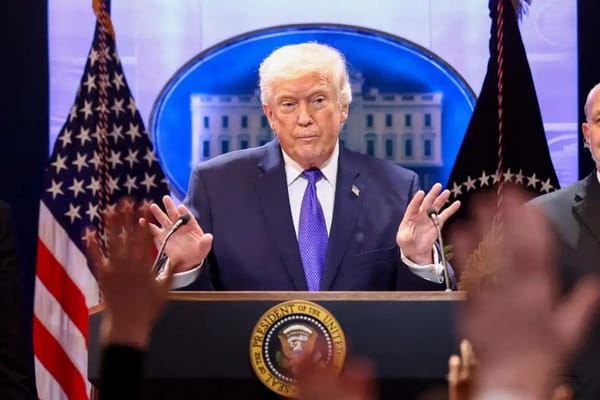
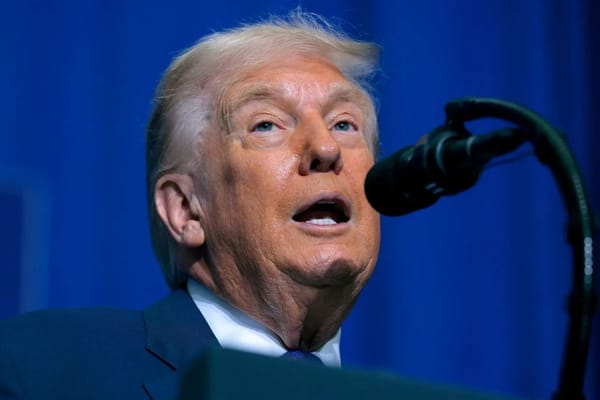
Trump’s warning was brief, but explosive. In a social media post, he said that if Iran “violently kills peaceful protesters,” the United States would “come to their rescue,” adding that America was “locked and loaded.”
He did not clarify what that intervention might look like, and that uncertainty is exactly what alarmed Iranian leaders and international observers.
The U.S. and Iran share decades of hostility marked by sanctions, military strikes, and retaliation. In that context, even vague threats can escalate tensions quickly. Iranian officials immediately linked Trump’s words to past U.S. attacks on Iranian targets, warning that the situation could spiral.
Later, Trump suggested he had discussed the issue with Iranian leaders and said he was angry about reports of violence. At the same time, he acknowledged that the facts surrounding the alleged attack were still unclear, a statement that did little to ease concerns.
Protests Fueled by Economic Desperation
The protests themselves began quietly but spread rapidly. In Tehran, shopkeepers and workers first took to the streets after another sharp fall in the value of Iran’s currency, the rial. As prices climbed, basic goods became harder to afford, pushing many families closer to the edge.
Soon, university students joined the demonstrations. Protests spread to multiple cities and towns, with chants directed at Iran’s clerical leadership and economic policies.
Security forces moved in, and clashes followed. At least eight people have reportedly died during the week-long unrest, though exact numbers remain difficult to confirm.
Deaths were reported in several locations, including Lordegan, Azna, Kouhdasht, Fuladshahr, and Marvdasht. In some cases, reports identified the victims as protesters; in others, officials did not specify whether the dead were demonstrators or security personnel.
Independent verification has been challenging, but human rights groups say the unrest represents the most widespread protests since 2022.
Echoes of the Mahsa Amini Protests
Many Iranians see painful parallels to the protests that erupted in 2022 following the death of Mahsa Amini while in police custody. That movement sparked nationwide demonstrations and drew international attention.
While the current protests have not reached the same scale, the anger behind them feels familiar. Economic hardship, lack of political freedom, and frustration with leadership continue to fuel unrest.
Iran’s leaders have sent mixed signals. The country’s prosecutor general warned that any attempt to create instability would be met with a decisive response. At the same time, Iran’s president said he is willing to listen to the “legitimate demands” of protesters.
For many on the streets, such promises sound familiar and empty. Years of economic sanctions and internal mismanagement have left trust in political solutions low.
Domestic Unrest Turns Into a Global Flashpoint
As tensions rose, Iran’s ambassador to the United Nations formally asked the UN Security Council to condemn Trump’s remarks. In a letter, he warned that the U.S. would bear full responsibility for any consequences resulting from its threats.
The move underscores how quickly domestic unrest can become an international crisis when long-standing rivals are involved.
For ordinary Iranians, the protests are not about geopolitics. They are about rent, food, medicine, and dignity. But the suggestion of foreign intervention risks strengthening hardliners who argue that protests are driven by outside forces.
Words That Could Shape What Comes Next
This moment remains deeply fragile. Protesters want relief and reform. Iranian authorities want control and stability. And global powers are watching closely, aware that a misstep could turn unrest into something far more dangerous.
Trump’s warning may resonate with some who feel abandoned by their leaders, but it also risks giving Iran’s hardliners justification to crack down harder, citing foreign interference.
History shows that in moments like this, words can matter as much as actions. Whether this crisis cools or escalates may depend not only on what happens in Iran’s streets but on how carefully leaders on all sides choose their next words.