Trump’s Personal Attack on NYT Reporter Katie Rogers Deepens Press Crisis

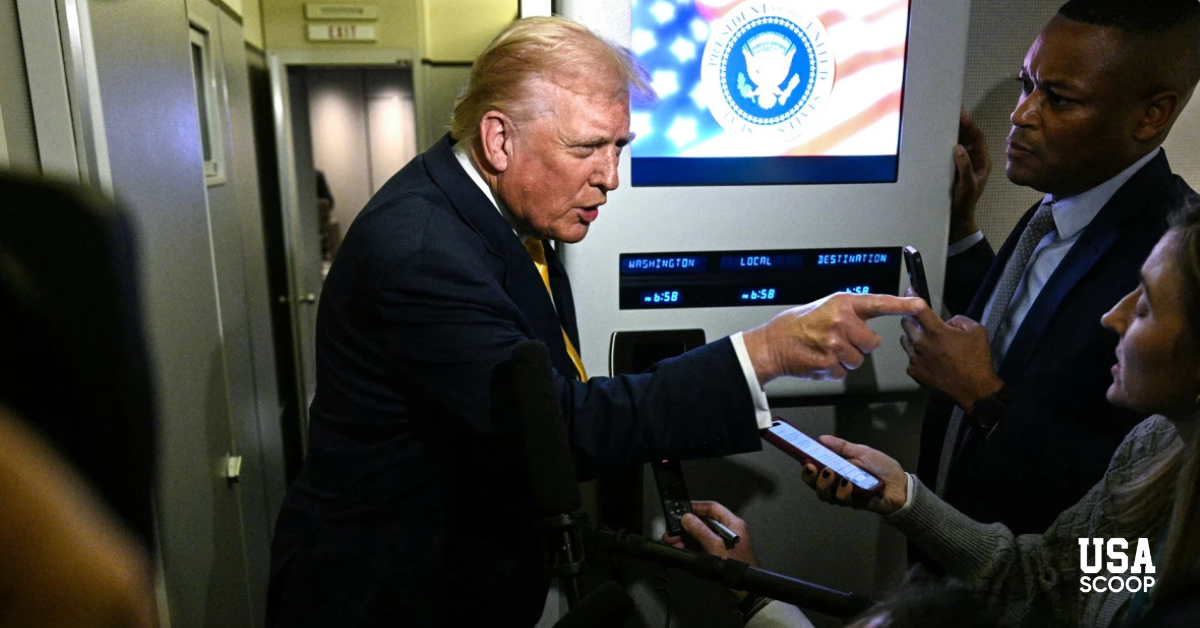
The president’s lashing out at a female journalist for reporting on his health, lines tend to diminish between media criticism, misogyny and political strategy.
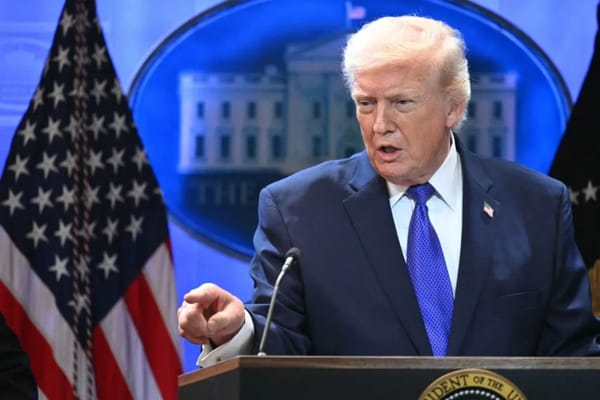
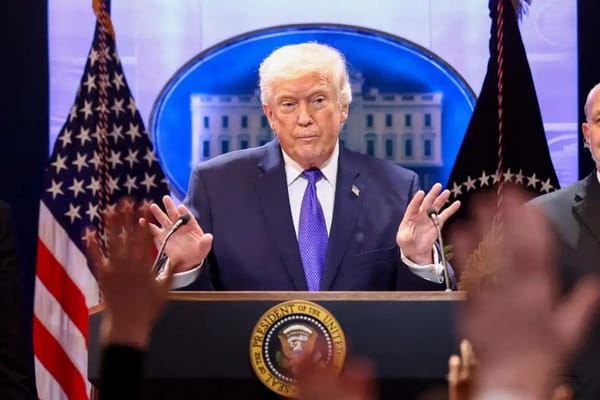
On 26 November 2025, The New York Times published a report suggesting that President Donald Trump, now in his late 70s, is showing signs of fatigue, with fewer public appearances and what some inside the White House described as slower schedule tempo.
Among the authors was Katie Rogers, a veteran White House correspondent for the paper.
Rather than address the substance of the report, Trump resorted to personal insult, as in a post on his social media platform, he labelled Rogers a third rate reporter who is ugly, both inside and out.
He insisted the Times was assigned to write only bad things about him and dismissed the reporting as a hit piece.
He claimed that contrary to the article’s implications, he was working harder than ever, had aced a comprehensive cognitive and physical test, and remained vigorous.
What might have been received, or dismissed, as a political rebuttal transformed rapidly into a headline dominated controversy, because it was a deeply personal, gendered attack, coming from the highest seat of power.
What History Suggests About Intent
This incident is far from the first time Trump has publicly disparaged female journalists. In recent weeks alone, he called another female correspondent piggy, and told an ABC reporter she was a terrible person and a terrible reporter.
For critics, the recurring theme is unmistakable, as female reporters face personal humiliation in such cases.
Gender based slurs, name calling, attacks on appearance or character are traits that have become part of a broader pattern.
Institutions committed to free press and journalistic safety understand that the implications are deep, as when the president uses public platforms to be little individual reporters rather than rebut inconvenient facts, the boundaries between legitimate critique and intimidation tend to disappear dangerously.
In this context, the attack on Rogers feels like the part of a broader posture where any journalistic scrutiny is framed not as reporting but as personal vendetta.
The Stakes for Journalism
The immediate fallout is about decency, but the stakes go deeper, as this conflict touches on press freedom, institutional credibility and the safety of reporters (especially women) covering power.
In its response, The New York Times defended the article, saying it was based on first hand reporting and that name calling would not silence its journalists. A spokesperson said that their work was rooted in facts and that personal insults would not deter them.
For media organisations, particularly those reliant on first person sources and on the record truths, this is a litmus test over whether they continue holding power to account without being forced into self censorship or personal conflict.
Female reporters globally have faced harassment, threats, doxxing, sometimes with deadly consequences. When the head of state attacks a journalist personally, it normalises a hostile environment and signals that media institutions, and by extension the public’s right to know, are fair game.
Political Strategy, Distraction and Public Perception
From a political vantage, the insult may serve multiple strategic goals. It shifts the focus from the substance of the original article, that is Trump’s reported fatigue and possible decline, to a personal battle about who did what, who insulted whom, who’s ugly. It turned a policy relevant discussion (the health and energy of a 79-year-old president) into tabloid fodder.
Also, I’m inflaming outrage from specific segments of his base, those distrustful of mainstream media or those who view traditional journalism as biased, Trump reiterated loyalty and painted media coverage as an enemy. These are deliberate tools in a broader media-power strategy.
In the context of an election season and ongoing political polarisation, this moment also heightens the tribal divides. In the context of the supporters, the insult may be dismissed as justified pushback, but for opponents, this is fresh evidence of misogyny and authoritarian tactics.The resulting divide intensifies distrust in entire institutions, including the press, the presidency, and even public discourse itself.
Institutional Responses and Democratic Signals
In the days ahead, much will depend on how institutions and the public choose to respond.
Other news organisations could rally around Katie Rogers, by using this moment to assert a clearer standard of solidarity against the harassment of journalists, especially women who often bear the brunt of such attacks.
There is also the possibility of legal or institutional action, as press freedom groups, journalism bodies and advocacy organisations must weigh whether the president’s remarks represent more than a passing insult and whether they amount to a threat to press independence that warrants formal safeguards or public censure.
The White House’s own posture will be closely watched, over if the officials double down and defend the comment as part of Trump’s unfiltered style, or if they attempt to walk it back, acknowledging misjudgment and recalibrating how they speak to and about the press.
And beyond media circles, the broader public reaction, from voters, civic groups, political actors and watchdog organisations, may ultimately determine the significance of the moment.
Their response could turn what might otherwise have been a brief headline into a wider referendum on norms of civility, respect and the tone of democratic governance itself.
Finally, the reputational cost for Trump and his allies could also expand. In a moment when the US faces multiple crises, encompassing domestic, economic, and global issues, acts that undercut democratic institutions may hold resonance beyond nightly headlines.
A Single Insult, But A Broader Crisis
What happened to Katie Rogers is is a symptom of a deeper malaise, a political climate where personal insult holds greater precedence than a sharp rebuttal, and where gendered aggression becomes a tool of power. If this moment passes without institutional pushback or broader reckoning, the boundaries of acceptable public discourse could shift, not toward accountability, but toward cynicism, fear, and self-censorship, and those consequences could outlast the insult itself.
For a healthy democracy, respect for truth, for the press, and for human dignity cannot be optional. What happens next, in courtrooms, editorial rooms, and public opinion, will show whether this is an isolated lurch or a turning point in how power, media, and gender interact in American public life.