Trump’s “Quiet Piggy” Insult at Reporter Sparks Outrage

When a person of power resorts to toddler-level taunts, the presidency and press freedom take the hit.
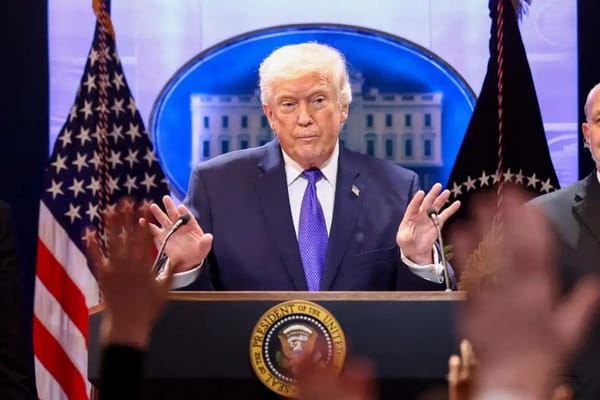
The moment was supposed to be routine. Mid-November at Air Force One, and standard press gaggle, with reporters circling around Donald Trump as the aircraft hummed behind them. Catherine Lucey of Bloomberg News asked him a question about the Jeffrey Epstein files. Nothing unusual, but just a journalist doing her job.
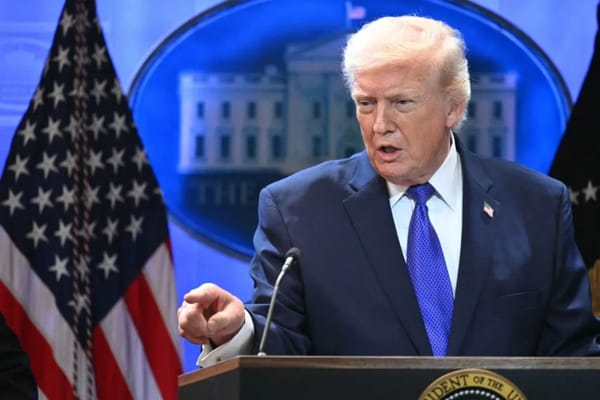
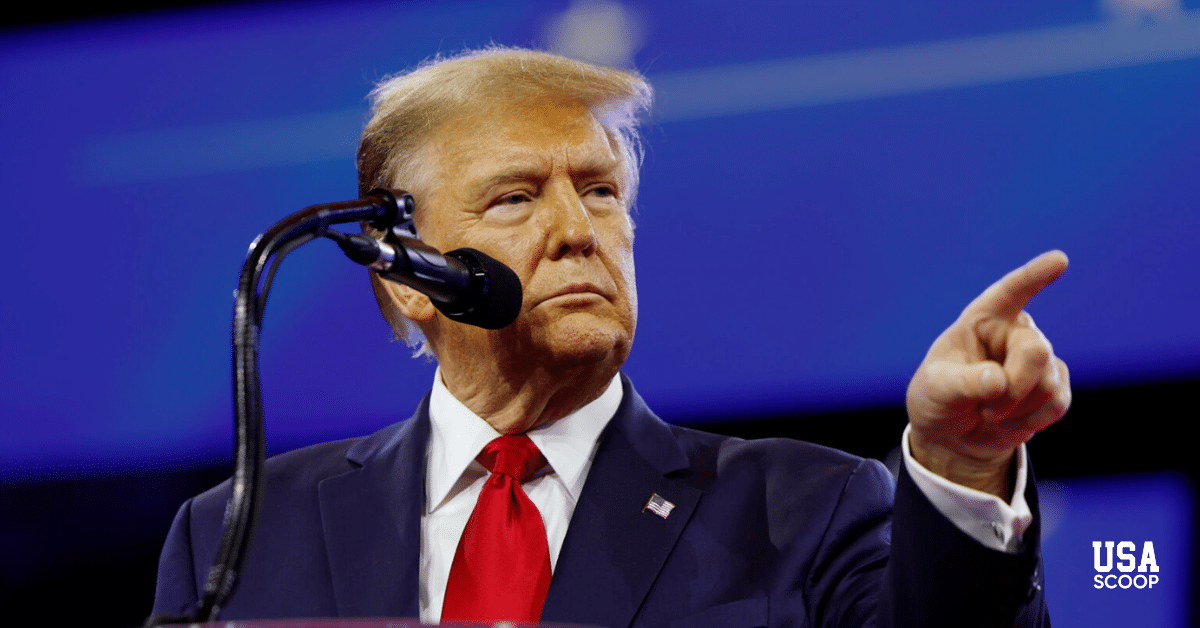
Trump turned toward her, raised a finger and delivered the line that would ignite the political world. “Quiet. Quiet, piggy.”
A childish insult hurled at a professional woman doing her work. The kind of moment that ricochets not because it is surprising, but because it feels depressingly familiar
What Happened
Lucey had asked why the House was moving toward releasing files connected to Epstein’s investigation. Trump responded partially, then Lucey pressed him again, as any seasoned White House correspondent would. The follow-up triggered Trump’s irritation. He leaned forward, waved her off and dropped the insult that is still trending.
“Quiet. Quiet, piggy.”
Bloomberg reacted within hours, as a spokesperson said their journalists perform a vital public service and that asking direct questions is not only professional but necessary. The expression of support was firm, and their message was simple: this is what accountability looks like.
The White House answers did not match that tone. Officials said the reporter had behaved inappropriately and unprofessionally, but declined to explain what exactly was inappropriate about asking the president of the United States a follow-up question related to a matter of public interest.
Across Washington, there was a sense of déjà vu. The Atlantic pointed out that this was not a new pattern. Trump’s interactions with women journalists have long involved belittlement, name-calling and public humiliation. This latest moment fits cleanly into that history.
Why It Matters
At the surface level, it is only a taunt. Two words tossed off with a smirk. But the implications run deeper.
When a president uses that language toward a reporter, it signals something corrosive. It tells the country that ridicule is a substitute for accountability.
It chips away at norms that keep democratic institutions standing. And it sends a message to women in journalism that their work will always be met with a gendered undertone that men rarely face.
Calling a journalist “piggy” is infantilising and dismissive. It is designed to shrink, and not engage. Every time it happens, the presidency loses stature and the press loses space to ask hard questions.
Trump has a long history of mocking women who challenge him. When something becomes a pattern, it becomes a strategy. Delegitimise the asker and undermine the question. Make the journalist the story so the public forgets the topic she raised.
For women in journalism, this moment lands heavily, as many say the fear is not the insult itself. It is the idea that this becomes the cost of pressing for answers. The idea that intimidation is baked into the job.
The Backstory
The Lucey incident feels new because of its phrasing, but the playbook goes back years. The story often begins the same way, i.e., a woman asks a difficult question and Trump responds with something designed to sting.
In 2015, during a primary debate, Megyn Kelly questioned Trump about previous derogatory remarks he had made about women. Trump later said she had “blood coming out of her eyes, blood coming out of her wherever,” a line that instantly dominated national headlines.
In 2006, he referred to Rosie O’Donnell as a “big, fat pig.” More infamously, former Miss Universe Alicia Machado said he called her “Miss Piggy” and shamed her publicly about her weight.
These remarks form a catalogue of insults that target women directly, often leaning into body-based language that is weaponized for maximum humiliation. Such comments from a celebrity might land one way, but from a former president, the weight is much heavier.
The presidency is meant to symbolise a certain level of dignity. Even critics of the office usually acknowledge that the position itself demands gravity. But moments like these hollow out that expectation. The response to Catherine Lucey was a continuation on that front.
The Reaction
Reaction from journalists and press freedom organizations was swift and pointed. Veteran correspondent April Ryan described the remark as beneath the dignity of the presidency. There was no qualifier, no softening, and the comment landed exactly as she meant it.
On X, Jake Tapper called it disgusting and completely unacceptable.
Many anchors and reporters expressed a similar sentiment. Even those who have covered Trump for nearly a decade said the bluntness of the insult still managed to shock.
Women voters also took notice. Polling over the past few years shows that younger and college-educated women increasingly recoil from rhetoric that dismisses them or treats them as punchlines.
By attacking women with these kinds of insults, Trump attacks dignity itself and drags down the office in the process.
Supporters counter that the press is too sensitive, too easily offended, and too eager to criticise. If standard press accountability is met with personal insults, what message does that send to the thousands of women who enter journalism hoping to report facts?
What’s the Verdict?
“Quiet. Quiet, piggy.”
The phrase sounds like something from a schoolyard. Yet it came from a man who occupies the Oval Office. For Catherine Lucey, it was directed personally, and for journalists everywhere, it echoed as a warning.
For democracy, it served as a reminder that dignity is a part of the foundation.
The presidency does not have to be gentle with questions, but tough questions deserve tough answers. The country should expect something better than insults.
When the people who lead choose disrespect over dialogue, the damage falls on the institution itself.