Trump’s Venezuela Warning Deepens Crisis As Land Strikes Loom

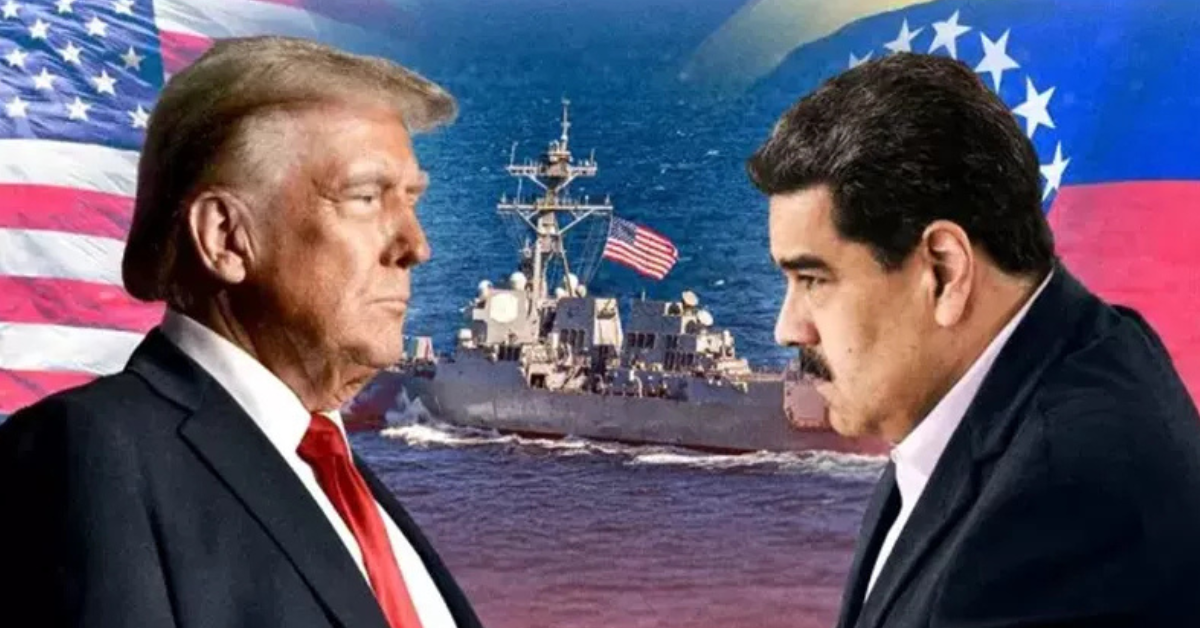
Rhetoric escalates beyond seas, with a volatile mix of military posturing, narco-accusations, and diplomatic fallout now threatening to redraw boundaries in the Americas
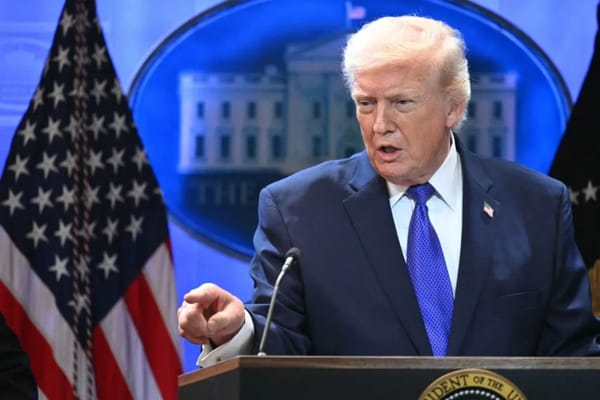
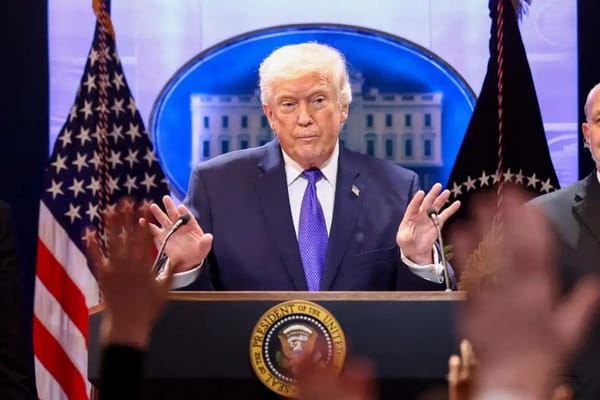
This week, US President Trump stunned Washington and Caracas alike by declaring that US forces would soon expand their anti-narcotics campaign from the Caribbean Sea to Venezuelan soil.
He told reporters that after months of strikes on suspected drug-trafficking vessels, the United States is ready to start those strikes on land too, claiming the administration knows every route … every house … every place where they manufacture this crap.
So far, the US naval and air campaign, launched in September 2025, has primarily targeted fast-moving boats alleged to be shipping illegal narcotics. According to an unclassified tally, 21 such strikes have occurred against 22 vessels, resulting in at least 83 deaths.
But with this new declaration, what began as a maritime interdiction has shifted dramatically toward a potential broader conflict with a sovereign state, with implications far beyond drug enforcement.
Why the White House Says It’s Justified And Critics Disagree
In Washington, Trump and his administration frame the shift as a necessary escalation in a war against narcotrafficking, casting the Venezuelan government, and specifically the alleged cartel aligned with President Nicolás Maduro, as a narco-terrorist regime. The US's recent designation of the so-called cartel as a terrorist organisation is used to justify strikes beyond maritime borders.
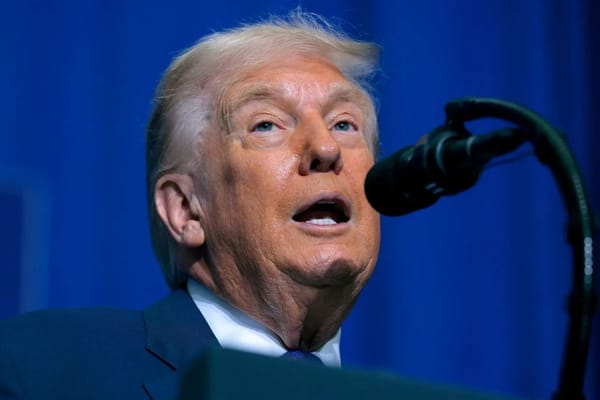
“Any country producing drugs for the US is subject to attack,” Trump asserted, implying that Venezuela, and possibly other nations, are on notice.
Yet, international law scholars, human rights groups, and foreign governments have raised grave objections. Attacks inside another country without declared war or a United Nations mandate, critics argue, also risk violating both US legal standards (including the War Powers Resolution) and international law.
The strike on a suspected drug vessel in September, followed by a second strike that reportedly killed survivors, is already being investigated by US congressional armed services committees for potential illegality.
What’s more, intelligence assessments have questioned the evidentiary basis for calling Venezuelan government networks uniformly responsible for all trafficking. The alleged criminal group reportedly in focus, Tren de Aragua, has previously been described in official declassified reports as lacking clear state-wide coordination, clouding claims of organised nationwide “narco-regime” control.
Diplomacy, Allies and Potential Fallout
The threat of land strikes has sent shockwaves across Latin America. In neighbouring countries, governments and civil society have reacted with alarm. Some view US pressure as a pretext for regime change, rather than a genuine anti-narcotics operation. Countries long weary of foreign intervention are now openly warning of regional instability.
Diplomatic institutions that once maintained formal distance, now largely severed, may find the next steps fraught. Any incursion into Venezuelan territory could provoke retaliatory measures, mass displacement, and international sanctions or condemnation.
Within the US, the move has also triggered a political backlash. A bipartisan group of senators has signalled intent to push a war-powers resolution to block military action in Venezuela without explicit congressional approval, stressing that under US law it would be unconstitutional to launch open-ended strikes without oversight.
For Caracas, a Showdown Beckons
In Caracas, Maduro’s regime has reacted with outrage, calling Trump’s statements a declaration of war. Venezuelan officials have warned they will treat any land assault as an act of aggression, and Venezuelan military planning documents exposed to the international press suggest a willingness to execute guerrilla-style resistance if territory is invaded.
Yet behind the rhetoric, there are signs of diplomatic maneuvering. According to some reports, at least one recent call between the two leaders has been described by Venezuelan spokesmen as respectful, fuelling speculation that back-channel negotiations may still be possible.
Such ambiguity deepens the danger, as both the political and military stakes continue to rise, miscalculation or miscommunication could trigger a conflict neither side seems prepared to win without serious consequences.
Flashpoint or Dead End?
In the immediate term, the eyes of the world will watch closely, over whether Congress actually moves to block Trump’s threatened land strikes or will domestic political inertia allows action to proceed without oversight.
In Venezuela, potential flashpoints include contested military zones, cartel-associated compounds, and industrial facilities, any of which could become scenes of violence, forced displacement, or civilian casualties if strikes begin. For Venezuelan civilians, migrants, especially those already deported or facing uncertainty, the human cost will likely be severe.
On the policy front, one key question is whether the strike campaign delivers measurable results for US national security and drug-trafficking disruption, or whether it backfires, strengthening underground networks, fostering resentment, and destabilising a volatile region.
In the longer term, the spillover effects could reshape global norms on unilateral strikes, foreign intervention, and how the war on drugs intersects with sovereignty. The precedent set now may influence future US foreign-policy decisions, for better or worse.
What began as a high-stakes gambit against drug routes has transformed into a broader confrontation with a sovereign nation. Trump’s threat of land strikes may seem tactical, but for many around the world, it looks like the brink of a geopolitical shock.
As the US and Venezuela teeter between enforcement and escalation, the risk grows that this moment will not be judged by the number of lives lost, alliances it smashes, and the regional stability that it shatters. If land strikes begin, it will be a war on norms.