TSA Imposes $45 Fee on Travelers Without REAL ID Starting 2026

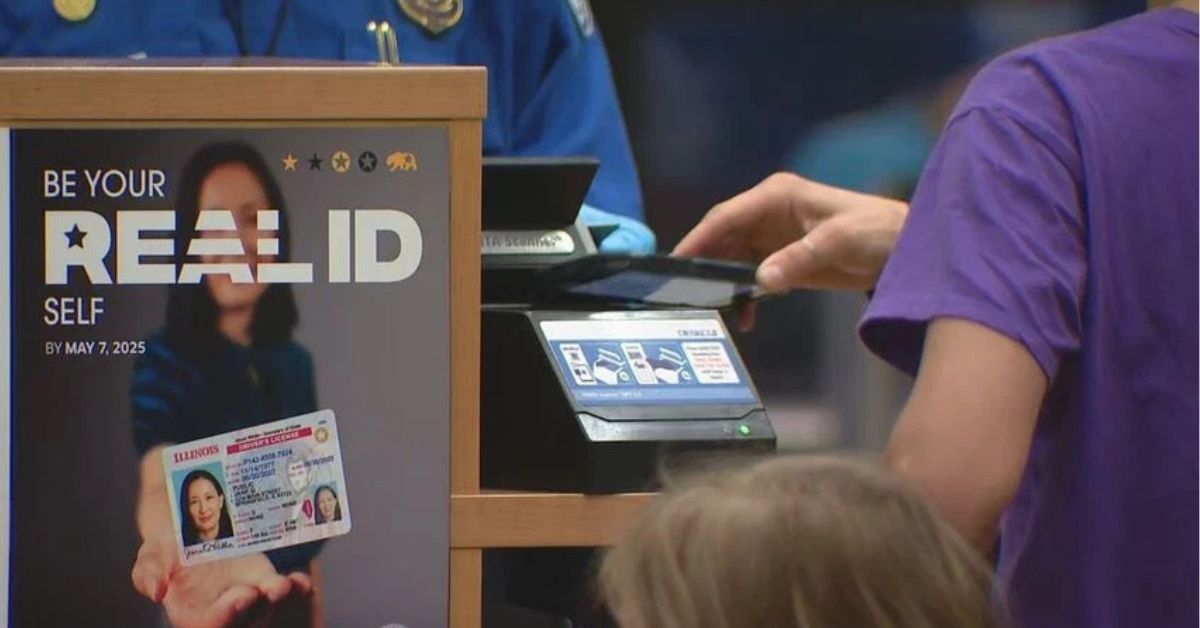
A rule that seems procedural on paper now changes the lived experience of millions of passengers as identification becomes a point of financial consequence rather than a simple formality.
The Transportation Security Administration’s decision to impose a mandatory forty-five-dollar charge on travelers who arrive at security without a REAL ID or another federally accepted form of identification marks an inflection point in how the United States handles domestic aviation.
The rule takes effect in February 2026 and turns what used to be a manageable inconvenience into a financial and procedural hurdle that changes the tempo of the airport experience. What once felt like an extended grace period is now replaced by a policy that places responsibility squarely on the traveler and introduces a cost that cannot be refunded, reversed, or negotiated.
For years, the federal government indicated that the REAL ID rollout was approaching its moment of true enforcement.
The older system allowed travelers without compliant identification to pass through a slower manual process where agents checked public records and asked for supporting details. That era is formally ending. In its place arrives Confirm ID, a verification procedure that depends on biometric data, multi-layer identity checks, and system-level clearances that require new technology and additional personnel behind the scenes.
The Forty-Five Dollar Fee and the Reality of Moving Through Security
The agency insists the fee does not function as a penalty but as a cost recovery mechanism for the time and resources required to verify identity without a compliant credential.
Yet for the traveler facing an unexpected charge at the airport, the distinction may feel less important. The fee must be paid either online in advance or at a kiosk before reaching the security line. The process can consume valuable time and can also end with denial if the system fails to verify the traveler’s identity. Even when verification succeeds, the approval lasts only ten days. A second trip after that period would trigger the process again.
The new system is particularly significant for people who fly occasionally or spontaneously.
The traveler who flies once a year to visit family, a college student returning from break, a retiree who rarely leaves their home state, and a person who misplaces a wallet on the day of travel all stand at greater risk of finding themselves caught in this new funnel. For these passengers, the rule transforms air travel into an environment where a forgotten wallet or a non-compliant license can become an unplanned cost and a source of stress.
The Human Cost Behind a Technical Change
Frequent travelers with passports or upgraded licenses will glide past unaffected, but the rule’s weight falls disproportionately on those with the least flexibility.
Older Americans, low-income travelers, and residents of states still working through the REAL ID backlog may face the steepest challenge. Securing a REAL ID requires documentation that not everyone keeps neatly filed. It involves appointments that are not always easy to schedule and also introduces a level of preparation that is manageable for some but a barrier for many.
TSA argues that the shift encourages compliance and ensures that resources are allocated efficiently. Families with several members who lack compliant IDs could face hundreds of dollars in added costs. Travelers on tight schedules may find that the time required for Confirm ID threatens their ability to catch a flight, and airports may see lines lengthen as more passengers step aside to complete payment or verification.
A System Designed for Security That Now Shapes Public Behavior
REAL ID began as a post-2001 security measure intended to standardise identification nationwide. For years, the deadlines shifted, and extensions were granted. Now, with enforcement in full effect the policy finally reveals its influence on everyday travel. Identification becomes a gatekeeper. The new fee places financial consequences on the absence of compliance and, in doing so, nudges public behavior in a direction the government has sought for two decades.
There is, however, a cost to this nudge. Airports will need to prepare for lines that ebb and swell as passengers attempt to navigate the kiosk system. Airlines will face ripple effects from delayed passengers. State motor vehicle departments could experience new surges in REAL ID applications as the rule’s deadline approaches, and the broader travel economy may feel the shift as individuals weigh the inconvenience and cost of non-compliance against their desire or need to fly.
What This Change Says About the Future of Travel
This policy arrives at a moment when the country is renegotiating the relationship between individual responsibility and institutional requirements. Air travel now demands a new level of readiness. The government expects higher compliance with identification standards. The cost of falling short is no longer additional screening but a mandatory payment and the risk of being turned away.
The rule, therefore, marks the start of a stricter environment where passengers must anticipate regulations well before arrival. It reflects a future in which travel infrastructure privileges those who have the time, resources, and documentation to fit within new parameters, and it shows how even small policy decisions ripple outward to shape how people move, how they plan, and how they experience the most common form of long-distance travel in the country.
By the time the rule takes effect, the public conversation could shift from surprise to acceptance. The fee will become part of trip planning in the same way baggage charges and seat fees once felt shocking before becoming ordinary. Yet the implications remain significant, and this is a moment where identification becomes monetised, and where access to the skies becomes newly conditional.
In that sense, the forty-five-dollar fee marks the beginning of an era in which the airport line reflects subtle questions about equity, readiness, and the hidden costs of mobility. It is a reminder that travel is shaped by the rules that govern who passes and who pays.