Two Students Killed in Brown University Shooting as Investigation Continues

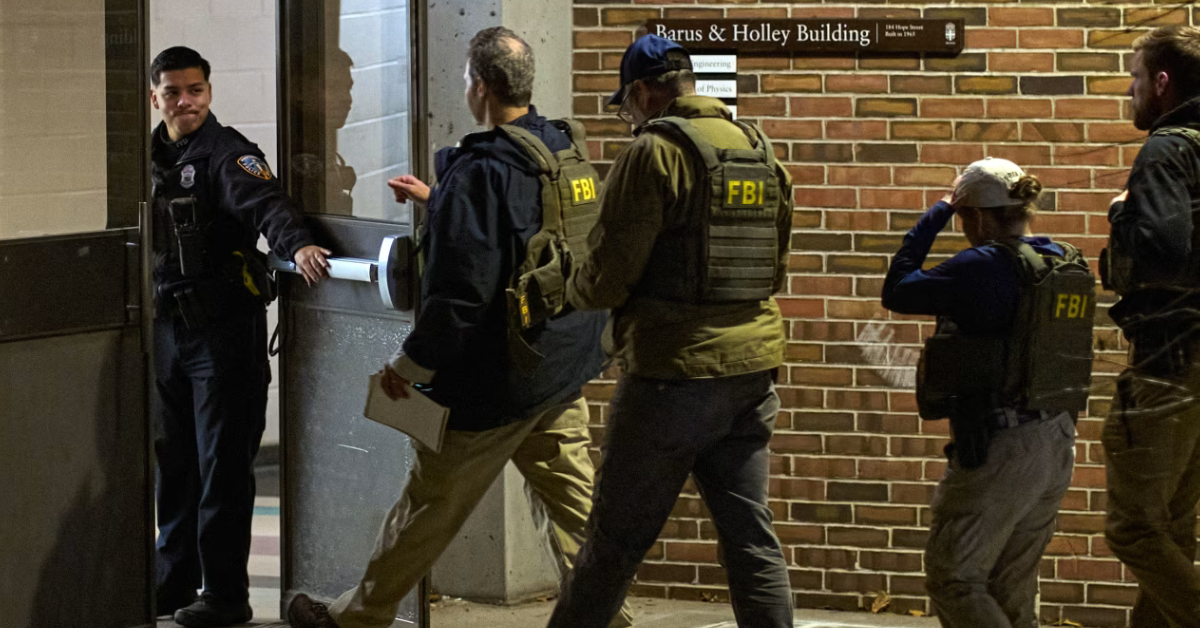
A day of celebration turned to tragedy on December 13, 2025, when gunfire erupted on the Providence, Rhode Island, campus, leaving grieving families, shocked classmates, and city officials grappling with the sudden loss of young lives and the urgent questions left in its wake.
A chill in the early afternoon air could not have hinted at what was about to unravel inside a normally upbeat Brown University campus on December 13, 2025. Students and faculty had been converging around end-of-semester events, the kind of informal moments that mark the final weeks before winter break, when shooting broke out in a crowded outdoor area near the heart of campus. Instincts honed by too many similar headlines kicked in immediately as students ducked, ran, and called loved ones, many still clutching backpacks and cellphones, trying to make sense of the chaos just meters from academic halls and dormitories.
Providence Police, arriving within minutes, confirmed that at least two Brown students were killed and several others wounded, three of them in serious condition.
The campus, already bracing for the shock, quickly cordoned off walkways and initiated lockdown protocols that seemed at once grimly familiar and deeply surreal to those inside. In corridors where months of study and casual conversations had taken place, the echo of real violence now lingered, an unwanted and unwelcome intruder into a place of learning.
The Victims - Lives Interrupted
University officials, in a somber noon briefing, named two students who lost their lives in the shooting and offered condolences alongside the Rhode Island Governor and local leaders. Descriptions of both students painted them as bright, engaged, and full of promise, young adults who had poured themselves into their studies and communities, the sort of profiles that make the loss feel unbearably close and personal to others who knew them.
Friends and classmates described the dead with the language of affection and disbelief, as someone always ready with a joke, another who volunteered on campus committees, each a thread in the fabric of student life snapped far too early. As the names spread across social media and group messages, dozens of memorial posts sprang up spontaneously, with photos from dorm gatherings, snippets of shared laughter, and the sort of heartfelt wishes only written when a voice can no longer be heard in person.
Grief, Fear and Support
By late afternoon, the university had opened counseling centers and support spaces across campus, with long lines of classmates hugging one another or sitting in stunned silence in rooms usually reserved for study groups.
Faculty members, many shaking their heads in disbelief, spoke to small clusters of students about safety resources and how the institution would attempt to support those most affected. For many, the campus that had been a second home just hours earlier was now a site of mourning, memorials, and flowers gathering near barricades and taped-off walkways.
In corners of student lounges and dorm common rooms, conversations swirled between heartbreak and anger, questions of why this happened now, and how a community that had always prized inclusivity and dialogue could suddenly be pierced by gunfire. Parents and relatives, some gathering on Twitter and group chats, expressed a shared alarm, i.e., a university, once distant from the daily headlines of urban violence, now the stage for raw tragedy.
Authorities Mobilise: What Is Known, What Is Not
Providence Police and the Rhode Island State Police confirmed that multiple people were wounded in the incident, and detectives were interviewing witnesses, collecting surveillance footage, and canvassing the vicinity for suspects or leads. No confirmed motive had emerged at press time, and while some descriptions of a possible suspect circulated on social platforms, law enforcement urged caution and accuracy, promising updates as evidence was verified.
Police presence remained heavy throughout the afternoon and into the evening, with patrols at entrances and exits, officers advising anyone on campus to stay alert and to avoid speculation that might hinder the investigation. Officials reiterated that the scene was active, that evidence gathering would take time, and that the priority remained identifying the shooter or shooters responsible for the carnage in an otherwise ordinary Brown campus setting.
Family members of students not involved directly in the incident described a harrowing experience waiting for word on their loved ones, recounting hours of phone calls, frantic messaging, and revisiting departure texts sent just hours earlier when students left for class or errands. For many families, the promise of a December break, holiday travel plans, homecomings, and final celebrations dissolved into anxious hours spent glued to news updates and police advisories.
Meanwhile, students who were not in the shooting area described rushing to rescue friends, directing others to safe buildings, or posting locations in real time so that classmates far from campus could know where the danger had unfolded. In group chats and screenshots that circulated widely, there was an echo of shared trauma, of a community bonded by fear, and hoping for answers.
Calls for Calm and Change
Governor and local leaders addressed the public in separate statements, expressing deep sorrow for the lives lost and stressing support for law enforcement.
Religious leaders, local council members, and campus ministers echoed those sentiments, gathering at makeshift vigils as candles flickered in the early night breeze.
Speakers at these gatherings spoke less of political prescriptions and more of shared grief, urging students to hold onto one another, to stand together in the days ahead, and to let the names introduced earlier in the day resonate beyond statistics.
Some voices, already raw and emotional, began to link the tragedy to broader conversations about gun violence in America, a debate that, tragically, resurfaces each time classrooms, campuses, or public spaces become sites of harm. For some, the Brown shooting was another reminder that no community, no matter how academic or seemingly insulated, is wholly exempt from the realities of firearm violence.
Investigation Continues, Healing Has No Timeline
As evening fell on Providence, the campus remained closed to non-essential activity, with news crews lining adjacent streets and residents in nearby neighborhoods watching from patios and vehicles as police helicopters circled overhead. The Brown University emergency alert system, once a routine channel for weather delays or minor advisories, had become a lifeline of real-time updates that hundreds of families and friends checked repeatedly, hoping for better news.
Investigators vowed to return to the scene the next morning. Detectives planned to re-interview eyewitnesses, review digital and surveillance recordings, and consult forensic specialists in an effort to build a clear timeline of how the shooting unfolded. University administrators indicated that academic schedules would be adjusted in the coming weeks, with conversations already underway about memorials, counseling resources, and how to frame a community response that acknowledges both loss and resilience.
At the Heart of a Campus Grief
Gun violence is often measured in numbers, such as fatalities, wounded, arrest warrants, and timelines. But on a university campus, these figures translate into faces in classrooms, names in dorm rosters, and Saturday coffee runs that never happened.
For the Brown community, the aftermath of December 13 will be measured in the way hallways feel quieter, in the chairs left empty, and in the pause that comes when students and faculty alike step outside and gaze at a sky that somehow looks quieter than it did before.
Wherever this investigation goes next, where arrests are made, or motives explained, the rupture will remain, and it will be felt in conversations that never happened, in laughter that was silenced, and in the knowledge that a place of learning and curiosity can also be the site of profound loss.