Tyler Robinson Appears in Court in Charlie Kirk Murder Case

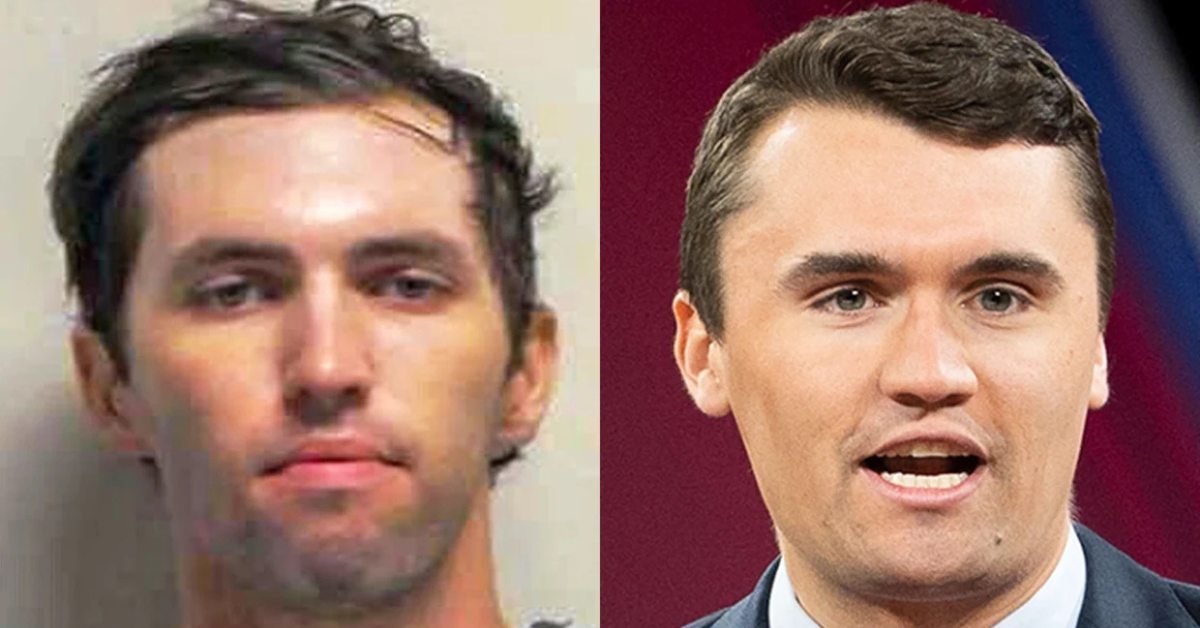
In a highly charged hearing in Provo, Utah, 22-year-old Tyler Robinson made his first in-person appearance nearly three months after the fatal shooting of conservative activist Charlie Kirk.
Tyler Robinson, the 22-year-old man charged with killing conservative activist Charlie Kirk, made his first in-person appearance in Fourth District Court in Provo, Utah, on December 11, 2025, in a hearing that focused on how the proceedings would unfold under intense public and media scrutiny. The case, which has drawn attention nationwide since the fatal shooting took place at Utah Valley University in September, represents a collision of criminal justice and constitutional rights.
Escorted into the courtroom under heightened security measures and wearing civilian clothing as ordered by the judge, Robinson sat largely silent during the proceedings, with his features composed as he faced the gallery that included members of his family and a substantial press corps, together underscoring the emotional and political gravity this case continues to carry far beyond Utah’s county lines.
The Charges and Legal Stakes Underpinning the Hearing
Robinson is facing a sweeping set of charges that show the seriousness of the allegations against him, including aggravated murder, felony discharge of a firearm causing serious bodily injury, obstruction of justice, witness tampering, and violence in the presence of a child, all arising from the shooting that took the life of Charlie Kirk during a Turning Point USA event at Utah Valley University on September 10, 2025.
Prosecutors have shown their intent to pursue the death penalty should Robinson be convicted, reflecting what state officials say were aggravating circumstances in the incident.
Before Thursday’s appearance, Robinson had been seen on video and audio feeds during earlier hearings, but this was his first time standing physically before a judge, attorneys, press, and the families touched by the case, a moment laden with legal and emotional implications for all involved.
A Judge Grapples With Media Access and Fair Trial Concerns
One of the central issues discussed during the hearing was the degree of media access that should be allowed as the case proceeds, with Robinson’s defence team requesting restrictions or elimination of cameras in the courtroom to protect the integrity of potential jurors and guard against prejudicial pretrial publicity.
The defence has argued that widespread coverage could taint the jury pool and compromise Robinson’s constitutional rights, a concern echoed by motions to limit recordings and public access to sensitive parts of the proceedings.
On the other side, media organisations and Kirk’s widow, Erika Kirk, who has pleaded for transparency, contend that public access is a cornerstone of the justice system, especially given the case’s political and social ramifications, and have petitioned the court to preserve broad media privileges, including transcripts, recordings and oversight of any closure motions. The judge has not yet ruled on those motions, scheduling further arguments on related issues later in December and setting additional pretrial hearings early next year.
Protocol and Public Interest
The atmosphere in the Provo courtroom reflected both the procedural gravity and the heightened security realities of a case that has drawn intense national focus.
To respect Robinson’s presumption of innocence and maintain order, the judge allowed him to wear civilian attire but ordered that he remain restrained with the least restrictive measures deemed appropriate given the gravity of the charges. Media representatives present over there were reminded of existing restrictions on how Robinson may be photographed or shown, a topic that itself generated dispute during parts of the hearing.
The courtroom has also adhered to a gag order limiting public statements by those involved in the matter outside the formal proceedings, a mechanism intended to prevent inflammatory rhetoric and safeguard the process from external influence.
With many thousands of individuals attending the original event where Kirk was shot, and digital media and social platforms awash with commentary and misinformation, these judicial decisions reflect attempts to navigate a fraught intersection of public interest and legal fairness.
The Case’s Broader Implications Beyond Utah
The killing of Charlie Kirk sent shockwaves through American political discourse and heightened already fraught national conversations about political violence, activism and public safety.
Kirk, a conservative commentator and co-founder of Turning Point USA, was addressing a large crowd at Utah Valley University when he was fatally shot, an event that triggered immediate shock, widespread condemnation of violence and urgent debate over the safety of public political engagement and the corrosion of discourse in the modern era.
As the legal process unfolds, it continues to draw attention not just from residents and the Utah judiciary but from national news organisations, advocacy groups, political figures and supporters on all sides of the ideological spectrum, which is a testament to the case’s prominence and the concerns it has raised about justice, security and the role of the courts in politically charged crimes.
Additional Hearings and Decisions Expected in 2026
With Thursday’s in-person appearance completed, the next steps in the case will include additional hearings that will address unresolved procedural questions, such as the scope of media access, handling of closed sessions, and the defence’s strategy as they review the voluminous evidence that has been assembled.
Preliminary hearings have been scheduled for the early months of 2026, offering a framework for how the pretrial phase may unfold and setting the stage for what is likely to be a protracted and closely watched court process ahead.
The gravity of the charges against Robinson and the national resonance of Charlie Kirk’s death ensure that this legal chapter will have ramifications extending well beyond Utah’s Fourth District Court, as the nation watches how principles of open justice, fair trial rights and public transparency are balanced in an unprecedented and emotionally charged prosecution.