U.S. Launches Major Airstrikes on ISIS in Syria After Americans Killed
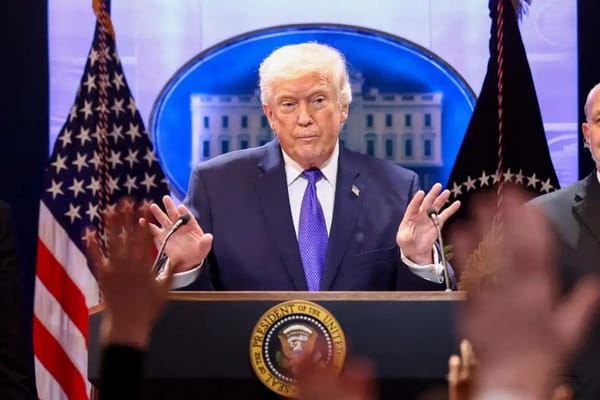
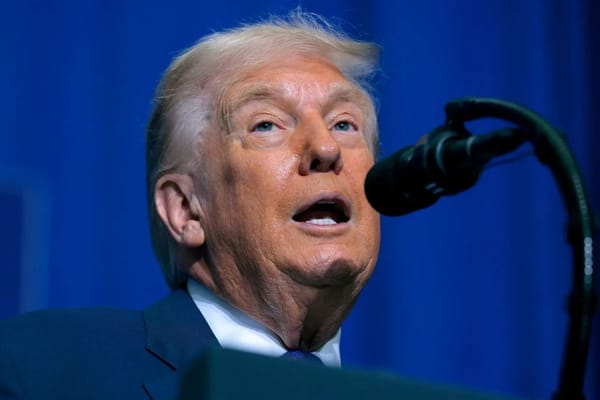
The United States has launched a wide-ranging military operation in Syria, targeting ISIS strongholds after a deadly attack on American forces last month. US officials say the strikes were ordered directly by President Donald Trump and were meant to send a clear warning: attacks on US troops will bring swift and overwhelming consequences.
The operation, known as Operation Hawkeye Strike, comes after an ambush on December 13 in central Syria that killed two US soldiers and a civilian interpreter who was working alongside American forces. That attack shocked military leaders and reignited concerns about the ISIS lingering presence in the region.
According to US Central Command, the goal of the strikes was simple but firm protect American and allied forces and prevent the extremist group from rebuilding its strength.
A Large and Coordinated Military Response
Saturday’s strikes were among the largest US military actions in Syria in recent months. More than 20 aircraft took part, firing over 90 precision-guided weapons at more than 35 Islamic State-related targets across the country.
Officials say the operation involved a mix of fighter jets, drones, and heavy gunships, including F-15 and A-10 aircraft, AC-130 gunships, MQ-9 drones, and fighter jets flown by Jordanian allies. The targets included weapons storage sites, operational hideouts, and areas believed to be used for planning attacks.
While the Pentagon has not released details about casualties or exact strike locations, officials said the mission was carefully planned to reduce the risk of civilian harm.
“Our message hasn’t changed,” US Central Command said. “If you attack our forces, we will find you.”
Why the US Acted Now
The latest operation traces back to the deadly December ambush near the ancient city of Palmyra. Islamic State fighters opened fire on a US patrol, killing two American service members and a civilian interpreter. The attack immediately triggered outrage inside the US military and calls for a decisive response.
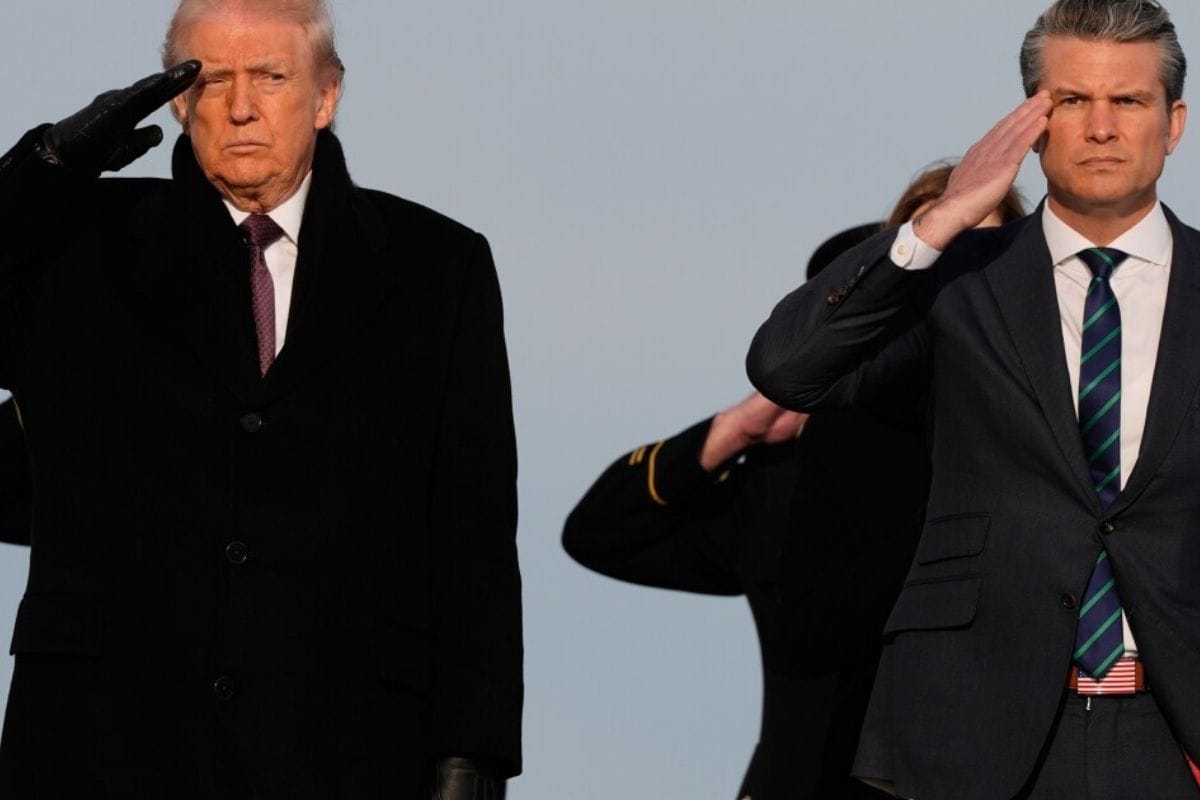
When Operation Hawkeye Strike was first announced weeks later, Defense Secretary Pete Hegseth made it clear that this was not just another routine mission.
“This is not the start of a new war,” he said at the time. “This is a declaration of vengeance.”
Since then, US forces have been steadily ramping up operations. Between December 20 and December 29 alone, American and allied troops killed or captured nearly 25 Islamic State members in a series of raids and airstrikes. Saturday’s mission marked the most intense phase yet.
Islamic State Still Poses a Threat
While the Islamic State no longer controls large areas of Syria as it once did, US officials warn the group remains dangerous. Instead of holding territory, it now operates in smaller, harder-to-detect cells, carrying out surprise attacks and exploiting instability.
In 2025, most of the group’s attacks in Syria have targeted Kurdish-led forces in the northeast. Military analysts say the group thrives in chaos, and Syria remains deeply unstable.
Defense Secretary Hegseth echoed that concern after the strikes, writing, “We will never forget, and we will never relent.”
A Fragile Syria Creates New Risks
The airstrikes come at a delicate moment for Syria. In December 2024, President Bashar al-Assad’s government collapsed, bringing an end to a brutal civil war that had torn the country apart for 13 years.
A new government led by Ahmed al-Sharaa, formerly known as Abu Mohammed al-Jolani, has taken power, promising stability and reconstruction. But the reality on the ground is far more complicated. Many parts of Syria remain lawless, heavily damaged, and vulnerable to extremist groups looking to regroup.
Security experts say moments like these are especially dangerous. When governments are weak and borders are porous, militant groups often see an opportunity.
That is one of the main reasons the US has kept troops in Syria despite growing public pressure at home to pull out.
A Message Meant for More Than One Audience
US officials say the strikes were not just aimed at ISIS fighters; they were also meant to reassure allies and deter future attacks.
American forces continue to work closely with regional partners, including Jordan and Kurdish-led militias, sharing intelligence and coordinating operations. Officials say these partnerships are critical to keeping extremist groups from resurging.
President Trump has consistently taken a hardline stance on militant threats, arguing that hesitation only invites more violence. The latest strikes reflect that approach.
“There will be no haven,” one senior defense official said privately.
What Comes Next
For now, the Pentagon is still assessing the full impact of the strikes. It is unclear whether senior ISIS leaders were killed or how badly the group’s capabilities were damaged.
What is clear is that the US does not consider the threat to be over.
With Syria still struggling to rebuild after years of war, extremist violence remains a real concern. US military leaders say they will continue monitoring the situation closely and will act again if American forces are targeted.
Operation Hawkeye Strike sends a clear message: the United States remains present, vigilant, and willing to strike when its citizens are attacked.