U.S. Military Kills Al Qaeda Leader Linked to Deadly ISIS Attack on Americans in Syria
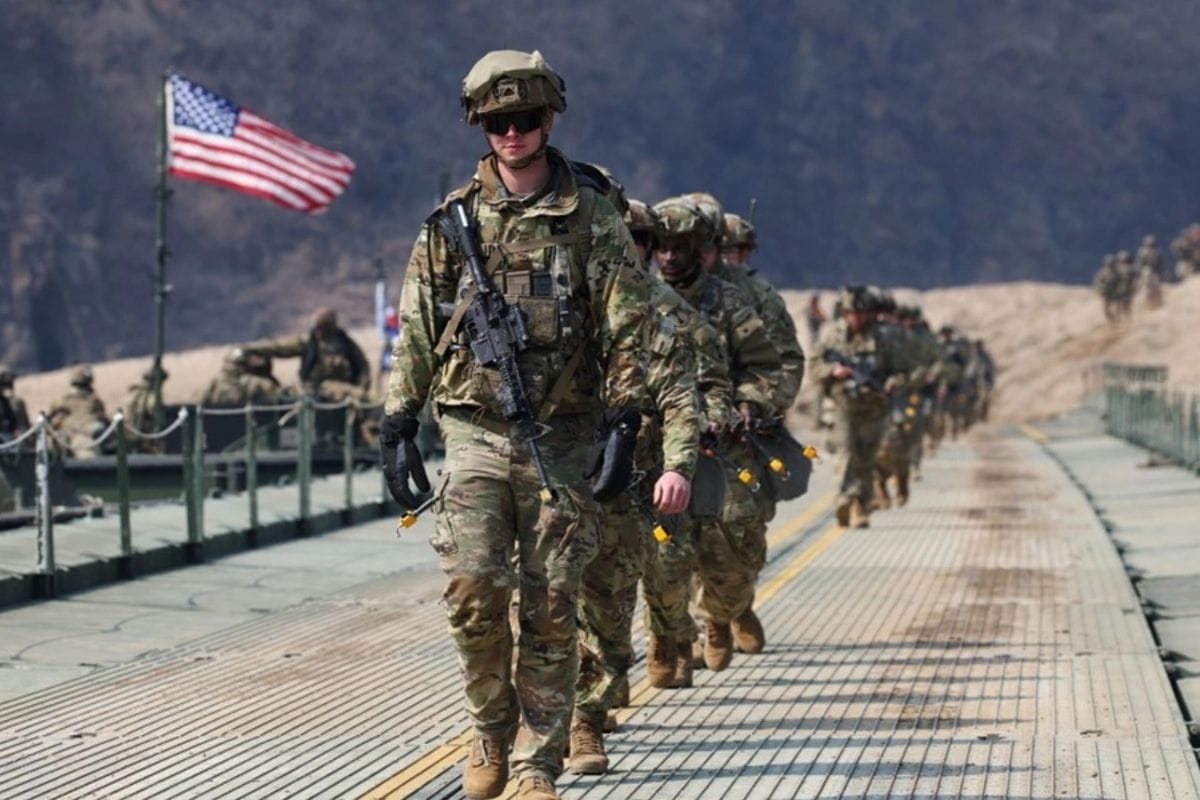
The U.S. military has confirmed it carried out a targeted strike in northwest Syria that killed a senior leader of an Al Qaeda–linked group, marking another major step in Washington’s ongoing campaign against extremist organizations operating in the region.
According to U.S. Central Command, the strike resulted in the death of Bilal Hasan al-Jasim, an experienced militant leader who officials say played a direct role in planning attacks against American forces. The operation took place on Friday and was announced publicly the following day.
U.S. officials said al-Jasim was closely connected to an ISIS gunman responsible for a deadly ambush last month in Palmyra, Syria. That attack killed two U.S. service members and an American interpreter, while injuring other American and allied personnel. The December incident sent shockwaves through the U.S. military and prompted renewed promises of retaliation from Washington.
“This strike sends a clear message,” said Central Command Commander Adm. Brad Cooper in a statement. “There is no safe place for terrorists who plan or support attacks on American forces. We will pursue them wherever they hide.”
A Target Linked to Deadly Violence
Military officials described al-Jasim as a seasoned terrorist operative with deep ties to extremist networks operating across Syria. Intelligence gathered in recent weeks reportedly showed he was directly involved in coordinating or supporting attacks against U.S. forces and their partners.
According to Central Command, al-Jasim was linked to the ISIS attacker who carried out the December ambush near Palmyra. That attack targeted U.S. personnel during what the Defense Department described as a counterterrorism mission. Defense Secretary Pete Hegseth previously confirmed that partner forces killed the shooter involved in that incident, but emphasized that those who helped plan the assault would also be held accountable.
Friday’s strike appears to be part of that broader effort.
Part of a Larger Campaign
The operation falls under a wider U.S. military effort known as Operation Hawkeye Strike, which began in December following the deadly ambush. Since then, U.S. and partner forces have launched repeated air and ground operations across Syria aimed at degrading ISIS and Al Qaeda–linked groups that continue to pose a threat despite years of military pressure.
Central Command said that during the operation, more than 100 ISIS infrastructure and weapons targets have been hit using over 200 precision-guided munitions. These strikes have focused on training camps, weapons storage facilities, leadership hideouts, and logistical hubs used by extremist groups.
Over the past year alone, U.S. and allied forces have captured more than 300 ISIS operatives across Syria and killed more than 20 senior militants, according to military officials. The goal, they say, is not only to disrupt current plots but to prevent these groups from rebuilding their leadership and launching future attacks.
Trump Administration Signals Resolve
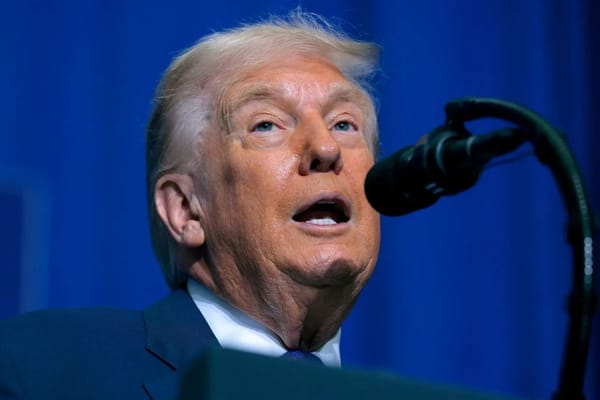
President Donald Trump has repeatedly vowed swift retaliation against groups that target Americans overseas. After the December ambush, he described the attack as an assault on the United States itself and warned that those responsible would face consequences.
While the White House has not released specific details about Friday’s strike, officials have consistently emphasized that counterterrorism remains a top priority for the administration, particularly in regions where extremist groups are attempting to regroup amid ongoing instability.
Military leaders say the strike was carefully planned to minimize civilian harm and was based on precise intelligence tracking al-Jasim’s movements. There has been no immediate indication of civilian casualties related to the operation.
Syria’s Ongoing Security Challenge
Despite years of international military efforts, Syria remains a complex and volatile environment. ISIS has lost much of the territory it once controlled, but the group and its affiliates continue to operate in pockets across the country, especially in remote or contested areas.
The collapse of centralized authority in parts of Syria has allowed extremist networks to exploit security gaps, recruit fighters, and plan attacks. U.S. officials have long warned that without sustained pressure, these groups could regain strength and once again threaten regional and international security.
Al Qaeda–linked factions, while less visible than ISIS, continue to pose a significant danger, particularly through coordination with local militant groups and sleeper cells.
Message to Militant Networks
Military officials say the killing of al-Jasim is intended to send a clear signal to extremist leaders still operating in Syria and beyond.
“This demonstrates our resolve,” Adm. Cooper said. “Those who plot attacks on American forces should understand that justice will find them.”
U.S. officials also stressed that operations like this are meant to protect not only American personnel but also regional allies and civilians who are often caught in the crossfire of extremist violence.
What Comes Next
While the death of a senior militant leader is a significant blow, defense officials caution that counterterrorism efforts in Syria are far from over. Extremist organizations have shown a capacity to adapt and replace fallen leaders quickly.
As a result, U.S. forces are expected to continue targeted operations alongside intelligence-gathering missions and cooperation with regional partners.
For now, Friday’s strike represents both a tactical success and a symbolic moment underscoring Washington’s message that attacks on Americans will not go unanswered, no matter how long it takes or where those responsible try to hide.