University of Delaware Targeted in Detailed Attack Plan, Police Say

A routine traffic stop and a secretive note helped uncover what authorities describe as a planned attack on campus, and likely prevented a major tragedy
Late on the night of November 24, police in Wilmington, Delaware, noticed a white pickup truck parked in a closed park near the city’s Canby Park West.
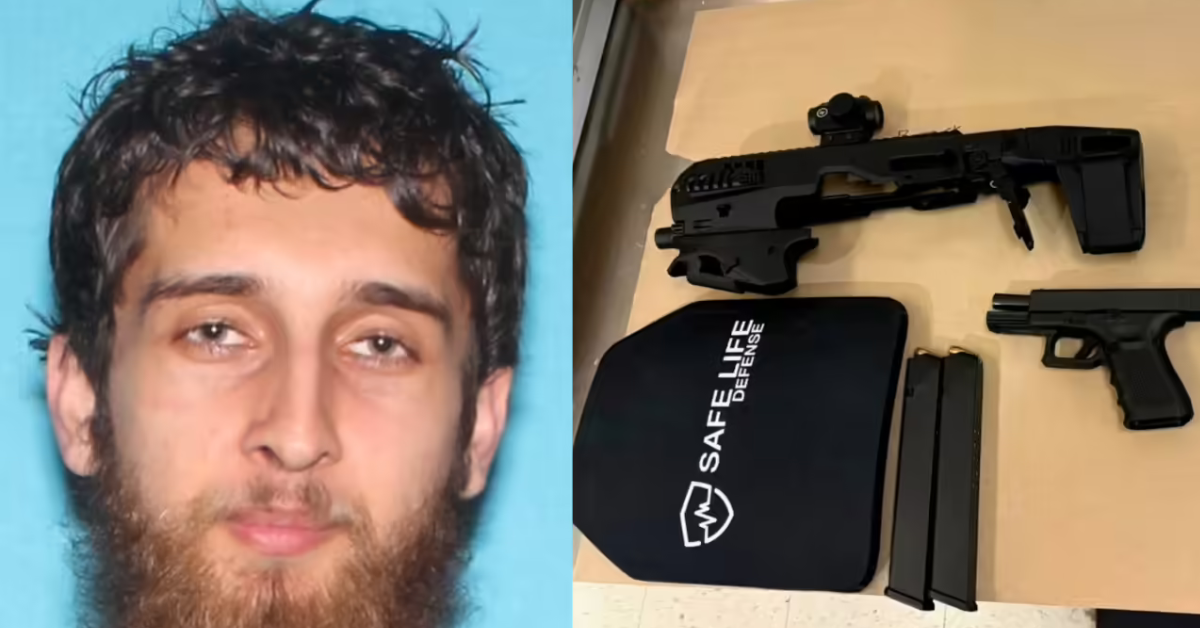
The driver, 25-year-old Luqmaan Khan, appeared visibly nervous, avoided eye contact and repeatedly reached toward the same area inside the vehicle, according to officers. What began as a routine check quickly escalated as officers gained probable cause and requested him to exit. He refused, resisted arrest and was taken into custody.
Once the vehicle was searched, authorities discovered a cache of weapons and alarming materials, i.e. a .357-calibre Glock handgun loaded with a 27-round magazine, several additional loaded magazines, body armour plates, a firearm-brace conversion kit and a notebook that contained what police described as detailed assault plans.
Hidden Arsenal and a Notebook of Violence
In the notebook, investigators say, were pages filled with tactical notes, combat instructions, a hand-drawn sketch of a building identified as the campus police headquarters of the University of Delaware, marked entry and exit points, and jot-downs on warfare techniques and avoidance of law-enforcement detection. The writings reportedly included chilling language such as “kill all: martyrdom.”
That sketch reportedly included the name of a specific campus police officer, a detail that raised the stakes of what authorities now call a targeted assault plan, not a vague threat.
The scale and detail of the arsenal, in fact, alarmed investigators. During a follow-up FBI search of Khan’s residence, they discovered a second handgun modified with an illegal switch, which is a device that is capable of converting a semi-automatic pistol into a machine gun.
Additional weapons also included a scoped .556-calibre rifle, multiple extended magazines, hollow-point rounds and tactical gear, such as a two-plate ballistic vest. None of the firearms were registered, and the charges filed by the US Attorney’s Office for the District of Delaware include illegal possession of a machine gun, a federal offence that can carry up to ten years in prison if convicted. Additional weapons charges and related state charges may follow as the investigation continues.
A Martyrdom Manifesto and the Threat to Campus Safety
According to the FBI complaint and police statements, Khan allegedly told investigators that becoming a martyr was one of the greatest things one could do. The notebook contained repeated references to martyrdom as part of the plan.
Authorities believe that the target was not random and that the plan appears to have been aimed specifically at the university’s police department, possibly to maximize disruption or symbolism. The presence of tactical gear, combat-style notes and detailed mapping suggests premeditation, far beyond a spur-of-the-moment crime.
Following the arrest, university officials moved quickly to protect the campus community. The student has been banned from all campus locations, and staff and students were reassured that there was no immediate threat. Still, many remain shaken, and the incident has reignited concern over campus security and how easily plans of violence can go undetected until the last minute.
Narrow Margin Between Safety and Horror
What stands out in this case is how close this may have come to a mass-casualty event, and how thin the margin between safety and devastation was.
Ordinary patrol officers, on what appeared to have begun as a routine stop, gained the evidence, alerted federal authorities, and possibly prevented a tragedy. As US prosecutors said, this is a case of federal and state law enforcement collaborating to neutralize a grave threat to Delaware before the worst could come to pass.
Whether Khan acted alone or had accomplices remains under investigation. Charges so far focus on weapons possession, but the content of the notebook, scale of the arsenal, and tactical planning all leave open the possibility of additional charges, including conspiracy, attempted murder, terrorism or weapons-trafficking.
Campus Safety, Gun Access and Radicalized Violence
This incident arrives at a time when universities across America are re-evaluating security protocols, mental-health screening, access to weapons, and early-warning systems.
The fact that an undergraduate, born abroad but a US citizen, could compile a cache of weapons, tactical gear and plans targeting police raises urgent questions about how such individuals navigate communities, background checks, and the invisible threads that bind radical intent.
In Delaware, lawmakers have begun discussing whether more robust regulations around gun access and weapon modification devices are needed. On campuses, administrators may face pressure to tighten surveillance of students, enforce stricter campus-entry rules, and improve communication with law enforcement.
In the case of communities already reeling from repeated mass-shooting episodes nationwide, the story of the foiled Delaware plot may feel like a grim reminder that threats can come from unexpected places, and often it’s routine vigilance that keeps most horrors at bay.
Legal, Judicial and Social Unfoldings
In the immediate term, Khan remains in federal custody, as his detention hearing is scheduled for early December. Prosecutors are pursuing the machine-gun possession charge, and might add further charges if evidence supports a broader conspiracy or premeditated attack plan.
If convicted, Khan could encounter several years in federal prison. In the longer term, this case could become a reference point in national conversations about modified-weapon proliferation, campus safety protocols, and the early detection of ideologically driven violence in educational institutions.
The arrest of Luqmaan Khan may have prevented a violent attack on a university campus, possibly saving lives, but the close call also serves as a stark warning that radicalization, modified weapons and violent intent can flow quietly through daily life, masked behind unremarkable routines and faces. The tools of urban warfare can be assembled privately, and unless law enforcement, communities and institutions stay alert, those tools may one day be used.
That the danger was halted by chance and police vigilance rather than prior intelligence shows the fragility of safety frameworks, as in a world where violence often erupts without warning, vigilance, collective, institutional and individual, remains the first line of defence.