US–Iran Talks Begin as War Fears Rise and Military Pressure Mounts
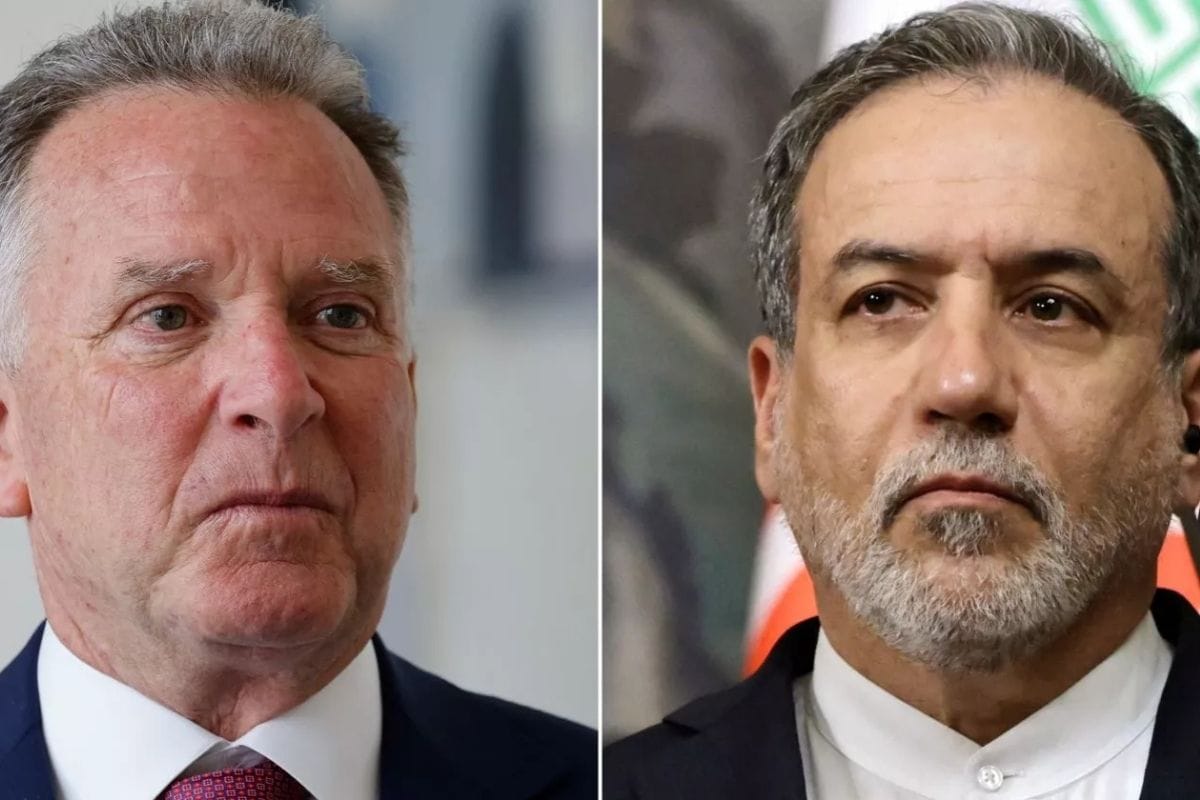
Senior officials from the United States and Iran are preparing to sit down for direct talks in Oman, as tensions between the two longtime rivals reach one of their most dangerous points in years. The meeting comes after weeks of military threats, troop movements, and growing concern that a single misstep could push both sides into open conflict.
For many observers in the region and beyond, these talks are being seen as a last realistic chance to slow things down.
A Region on Edge
The crisis has been building steadily since Iran’s violent crackdown on nationwide protests last month. Human rights groups say thousands of people were killed as security forces moved forcefully to crush demonstrations that began over economic hardship and quickly turned into calls for political change.
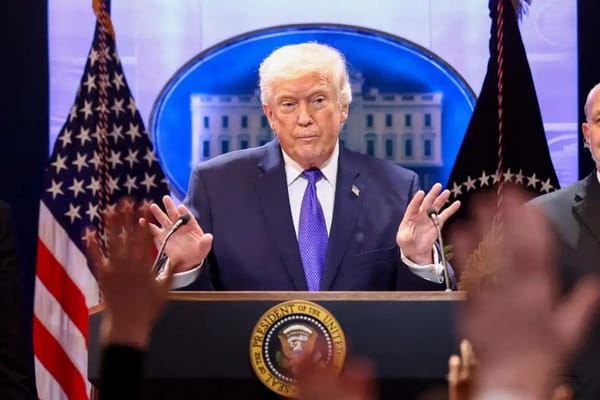
The US responded by increasing its military presence in the Middle East, sending thousands of additional troops, fighter jets, and warships. President Donald Trump described the deployment as a powerful show of force, warning Iran that “time is running out” to reach a deal.
Iran, in turn, has issued its own threats. Officials have said any attack on Iranian territory would be met with swift retaliation, including strikes on American bases in the region and against Israel.
This growing cycle of warnings has raised alarms across the Middle East, with regional governments urging both sides to pull back before the situation spirals out of control.
The discussions in Oman are part of a diplomatic effort led quietly by regional mediators, including Egypt, Turkey, and Qatar. Their goal is simple but urgent: prevent a war.
While the talks are being described as “direct,” expectations remain low. Officials on both sides have acknowledged that their positions are still far apart. At best, the meeting could produce a basic framework that allows more detailed negotiations to follow.
Still, even that would be a significant step forward given how tense relations have become.
What the US Wants
Washington has made it clear that its main concern is Iran’s nuclear programme. The US wants Iran to freeze uranium enrichment and dismantle its existing stockpile of highly enriched material. American officials argue that Iran’s current nuclear activities bring it dangerously close to being able to build a weapon.
Beyond the nuclear issue, the US has said it wants talks to also cover Iran’s ballistic missile programme, its support for armed groups across the Middle East, and its treatment of protesters and political dissidents at home.
From Washington’s point of view, a narrow deal focused only on nuclear enrichment would not address the wider security threats Iran is accused of posing.
Iranian leaders see things very differently. Tehran has said the talks will focus strictly on nuclear issues and nothing else. Officials argue that Iran has the right to enrich uranium for peaceful purposes and reject demands to ship its stockpile abroad.
Iran has also made it clear that its missile programme and support for regional allies are non-negotiable. Tehran views these as core elements of its national defence and sovereignty.
At the same time, Iranian officials have signalled that they are open to limited compromises, such as discussing a regional system for uranium enrichment under international oversight. Similar ideas were floated during earlier talks that collapsed after last year’s war with Israel.
The Weight of Military Pressure
These talks are taking place under the shadow of overwhelming military force. The US has repeatedly reminded Iran of last year’s strikes on Iranian nuclear facilities, which Washington says severely set back Tehran’s nuclear ambitions.
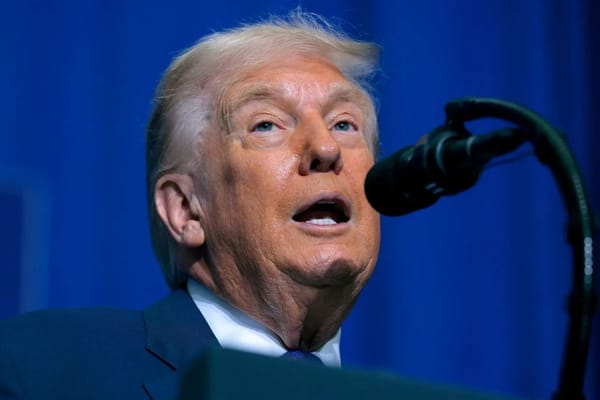
President Trump has warned that any future attack would be “far worse,” language that has been echoed by senior US officials in recent days.
Iran insists that its enrichment activities stopped after those strikes, but distrust on both sides remains deep.
For Iran’s leadership, the pressure is intense. Analysts say the regime is facing its weakest moment since the 1979 revolution, battered by economic collapse, international isolation, and unprecedented public anger.
Sanctions have devastated the economy, and Tehran is expected to demand significant relief in exchange for any concessions. Critics inside and outside Iran argue that lifting sanctions could give the ruling clerics a lifeline at a moment when their grip on power is slipping.
The protests that sparked this crisis continue to loom large over the talks. Human rights groups estimate that thousands of people have been killed and tens of thousands arrested. Iranian authorities dispute those numbers, saying many of the dead were security personnel or bystanders.
The unrest began over currency collapse and rising living costs, but quickly turned into demands for fundamental political change. Iran’s Supreme Leader has dismissed the protests as foreign-backed “sedition,” blaming the US and Israel.
American officials, meanwhile, have publicly linked Iran’s internal repression to their broader pressure campaign, further complicating negotiations.
A Narrow Window for Diplomacy
For the US, the talks could provide a way for Trump to step back from his military threats without losing face. For Iran, they may represent the last opportunity to avoid another devastating confrontation that could further destabilise the country.
Regional leaders fear that even a limited US strike could trigger a much wider conflict, drawing in allies and proxy groups across the Middle East. Many warn that air power alone would not topple Iran’s leadership and could instead plunge the country into prolonged chaos.
Despite the risks, officials on both sides have signalled a willingness to try.
Iran’s president has said he instructed his foreign minister to pursue “fair and equitable negotiations,” provided the environment is right. US officials say diplomacy remains the preferred option, even as military pressure continues.
What Happens Next
The talks were originally planned for Istanbul but were moved to Oman at Iran’s request. Tehran also insisted that only Iranian and American officials attend, cutting out regional foreign ministers who had been invited earlier.
Whether that last-minute change helps or hurts the process remains unclear.
What is clear is that the stakes could hardly be higher. A breakthrough could ease tensions and open the door to broader negotiations. Failure could push both sides closer to a conflict that neither appears truly prepared to manage.
For now, the world is watching Oman, hoping that words can succeed where force would almost certainly fail.