US-Israel Strikes Hit Tehran as Iran Weighs Retaliation
US-Israel strikes hit Tehran, raising fears of retaliation as Iran weighs its next move and Middle East tensions escalate.
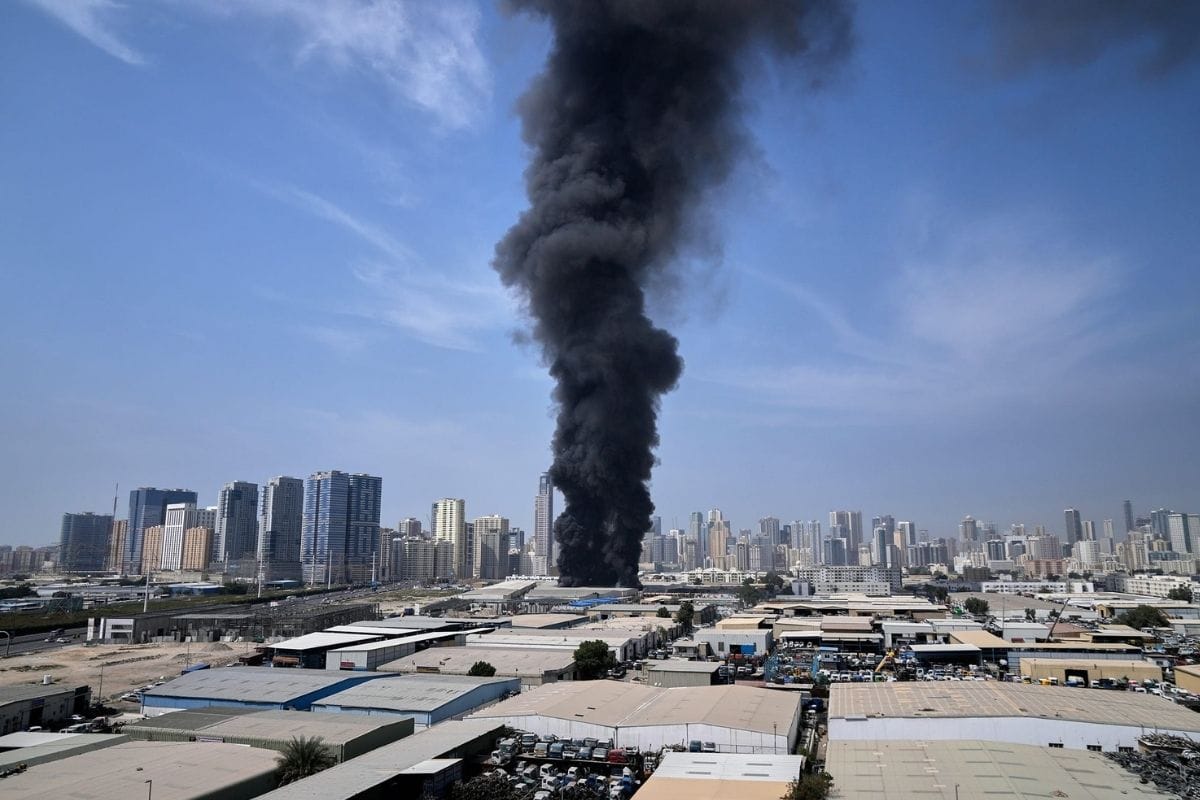
The night sky over Tehran flashed orange before dawn.
Residents described windows shaking. Social media is filled with short, shaky videos, smoke rising in the distance, car alarms blaring, and people whispering behind camera phones. Within minutes, word spread that US and Israeli forces had carried out coordinated strikes on targets tied to Iran’s military infrastructure.
For governments, this was strategy and deterrence. For families in Tehran, Beirut and Tel Aviv, it was something much simpler: fear of what comes next.
The confrontation between Iran, Israel and the United States has entered a sharper, more dangerous phase. And while officials speak in careful language about “precision” and “security,” the human mood across the region feels tense, brittle and uncertain.
Explosions in Tehran Change the Atmosphere Overnight
Iranian authorities confirmed that several sites linked to military operations were hit. They did not release detailed damage assessments immediately, but state television acknowledged the strikes and promised a response.
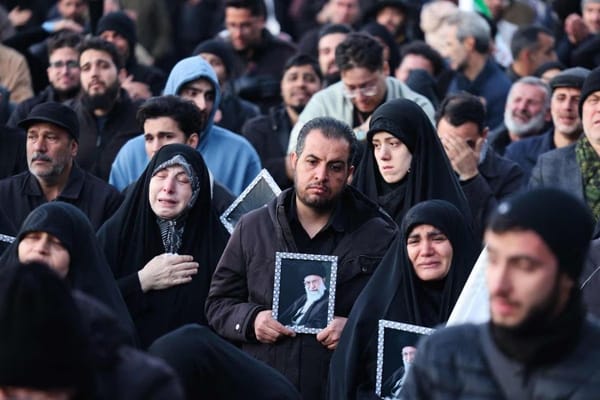
In parts of Tehran, residents woke to the sound of blasts. Some rushed to rooftops to see smoke drifting over the city. Others stayed inside, refreshing news feeds and messaging relatives.
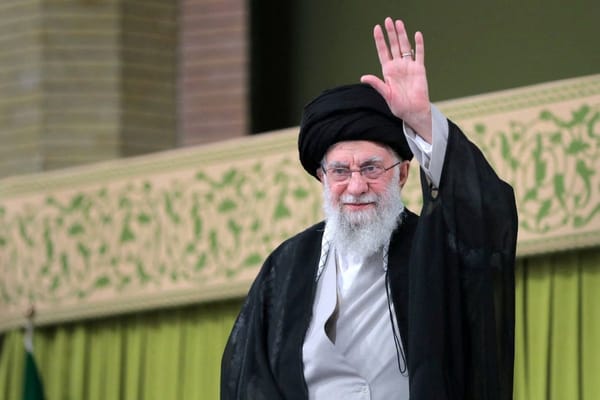
Government officials projected calm. They described the strikes as aggression and insisted Iran would decide how and when to answer. The messaging was controlled strongly but measured.
Behind the scenes, security tightened. Checkpoints increased. Sensitive areas saw a heavier presence of uniformed personnel. Public gatherings were discouraged.
For many Iranians, the uncertainty weighs more heavily than the blasts themselves. People remember past escalations that came close to wider war before cooling. They also know miscalculations can spiral quickly.
Israel and the US Signal Readiness, Not Panic
In Israel, air defense systems were already on alert before the strikes. Afterwards, readiness intensified.
Officials urged citizens to remain vigilant but avoid panic. Military spokespeople emphasized preparedness. Shelters were reviewed. Reserve units stayed on call.
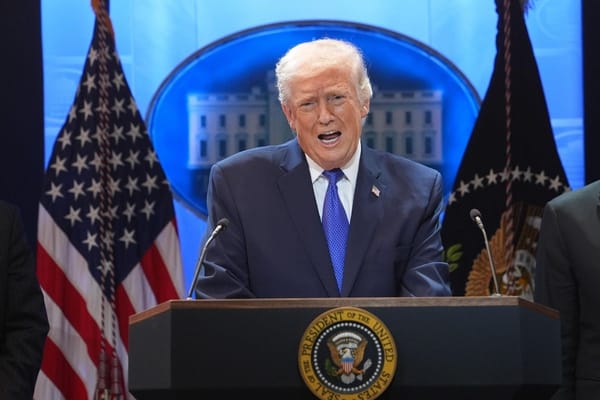
In Washington, President Donald Trump described the operation as necessary and defensive. Administration officials repeated that the goal was to neutralize threats, not ignite a broader war.
Still, American bases across the Middle East increased security. Naval assets remain positioned strategically. Diplomats are working phones behind closed doors.
The tone from both Washington and Jerusalem suggests awareness of the tightrope they are walking. They want deterrence restored. They do not want an uncontrollable escalation.
That line is thin.
Hezbollah and the Risk of a Wider Front
One of the biggest fears now centers on Lebanon.
Hezbollah, the powerful armed group backed by Tehran, has signaled that it stands ready to respond if Iran calls. Even limited cross-border exchanges can shift quickly into sustained confrontation.
In Beirut, conversations in cafés and living rooms turn to the same question: will Lebanon be pulled deeper into this?
Shops remain open, but the mood feels cautious. Families follow updates closely. The memory of past conflicts lingers.
Iraq and Syria also host militias aligned with Iran. Any coordinated retaliation through those networks could stretch the conflict across multiple fronts.
Diplomats from Gulf states are working quietly to prevent exactly that outcome. No regional government wants to see oil routes disrupted or cities caught in crossfire.
Oil Prices Jump as Markets React
The economic tremor was immediate.
Oil prices climbed sharply in early trading as traders reacted to the risk of supply disruption. The Strait of Hormuz, a narrow but vital maritime corridor, once again became the focus of global attention.
Airlines adjusted flight routes across sensitive airspace. Investors braced for volatility.
For families far from the Middle East, the conflict shows up at gas stations and in stock portfolios. For those living inside the region, it shows up in sleepless nights and tense conversations.
Energy markets do not like uncertainty. Right now, uncertainty defines the landscape.
A Region Holding Its Breath
The strikes have stopped. For now.
No fresh explosions have been widely reported in the hours since. But the silence feels fragile, not reassuring.
Iran must decide how to respond. A direct strike could provoke swift retaliation. A delayed or indirect response may preserve strategic flexibility.
Israel must prepare for multiple scenarios: missile launches, drone attacks, and cyber operations. The United States must balance military readiness with diplomatic outreach. Every decision carries consequences.
Across Tehran, Tel Aviv and Beirut, ordinary life continues in a cautious rhythm. Parents take children to school. Workers commute. Shops open. Yet everyone listens a little more closely to the sky.
History shows that even sharp escalations can cool when leaders choose restraint. It also shows how quickly pride and pressure can fuel something larger.
Right now, the region feels suspended between those two outcomes. No leader is publicly calling for full-scale war. No side appears eager for it. But none can afford to appear weak either.
And that tension between deterrence and escalation is what makes this moment so delicate. For now, the skies are quiet. The question is how long they will stay that way.