US Shoots Down Iranian Drone Near Aircraft Carrier as Gulf Tensions Explode

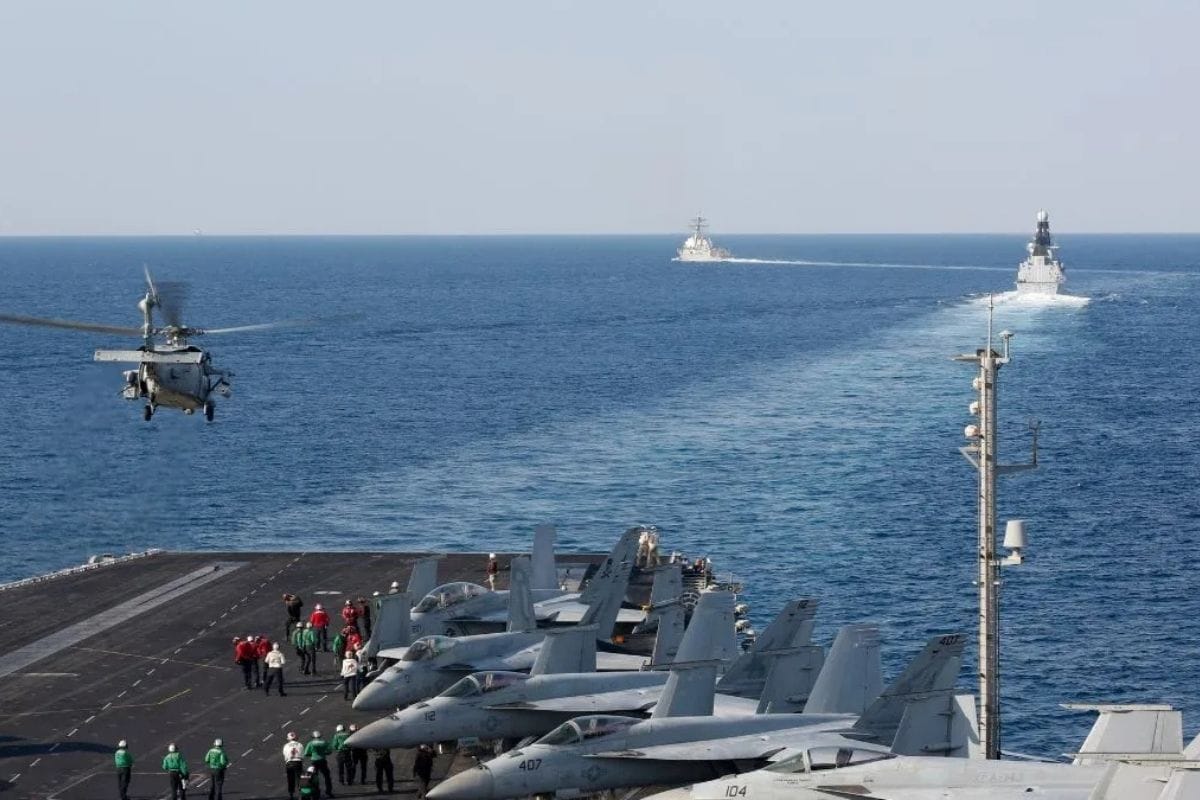
Tensions between the United States and Iran edged higher on Tuesday after the US military shot down an Iranian drone that was flying toward an American aircraft carrier in the Arabian Sea. The incident comes at a sensitive moment, as Washington and Tehran prepare for renewed diplomatic talks while military forces continue to build up across the region.
According to the US military, the drone was destroyed after it approached the USS Abraham Lincoln in what officials described as an “aggressive” manner. An F-35C stealth fighter jet launched from the aircraft carrier intercepted and shot down the drone, acting in what the military said was self-defence.
US Central Command spokesman Captain Tim Hawkins said the aircraft carrier was operating roughly 500 miles from the Iranian coastline at the time. The drone’s intent was unclear, he said, but its proximity and behavior posed a potential threat to the ship and its crew.
“No US equipment was damaged, and no service members were injured,” Hawkins confirmed, adding that the situation was resolved quickly.
A Region on Edge
The drone incident highlights the fragile security situation in the Middle East, where US and Iranian forces have repeatedly come close to confrontation. Over the past several weeks, Washington has increased its military presence in the region, deploying naval vessels, aircraft, and support assets amid growing concerns over Iran’s nuclear program and internal unrest.
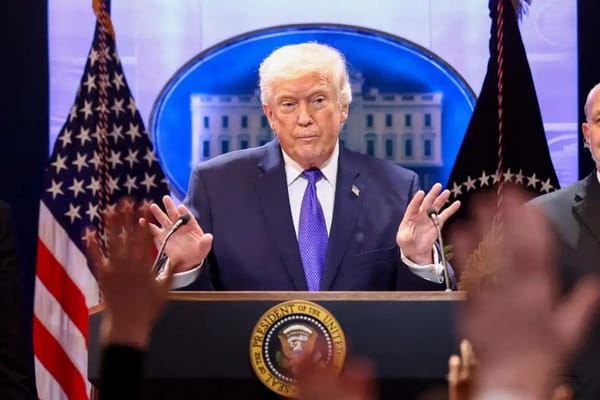
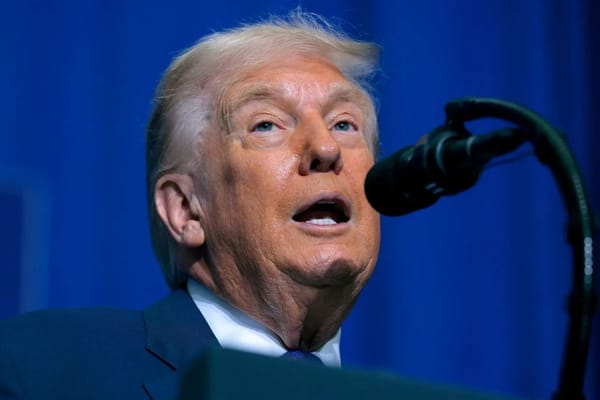
President Donald Trump has repeatedly warned that the US is prepared to use military force if Iran refuses to negotiate limits on its nuclear activities. At the same time, he has said diplomacy remains the preferred path.
Speaking after the drone was shot down, White House Press Secretary Karoline Leavitt said negotiations between the US and Iran were still expected to take place later this week.
“The president remains committed to pursuing diplomacy first,” Leavitt said, “but he always keeps a full range of options on the table, including military force.”
Iran Silent on Drone Downing
Iranian authorities have not publicly commented on the drone incident. Tehran has often disputed US accounts of similar encounters in the past, sometimes claiming its aircraft were operating legally in international airspace.
Iran’s Supreme Leader Ayatollah Ali Khamenei has previously warned that any attack on Iran would trigger a wider regional conflict. Iranian officials continue to insist that their nuclear program is peaceful and that accusations of weapon development are politically motivated.
The lack of an immediate response from Tehran suggests officials may be weighing their next move carefully as diplomatic talks approach.
Another Close Call in the Strait of Hormuz
The drone incident was not the only confrontation reported on Tuesday. The US military also said that Iran’s Islamic Revolutionary Guard Corps harassed a US-flagged, US-crewed commercial tanker in the Strait of Hormuz, one of the world’s most critical oil shipping lanes.
According to Captain Hawkins, US military support helped de-escalate the situation, allowing the tanker to continue its journey safely. The Strait of Hormuz sees roughly one-fifth of the world’s oil pass through it each day, making any disruption a major global concern.
Iran has frequently used its presence in the strait as a show of strength during periods of heightened tension with the West.
Diplomatic Talks Still Planned
Despite the confrontations, diplomatic efforts appear to be moving forward. US officials confirmed that special envoy Steve Witkoff will represent the White House at upcoming talks with Iran.
Reports suggest that Iran requested a change in venue for the meeting, preferring Oman instead of Istanbul, and asked that the talks be limited to US and Iranian officials only. US sources say Washington has agreed to those terms, though official confirmation has not yet been issued.
Iranian President Masoud Pezeshkian said earlier this week that Iran is open to negotiations, provided conditions are respectful and constructive.
Shadow of Past Strikes
The upcoming talks are taking place against the backdrop of last year’s US and Israeli strikes on Iranian nuclear facilities. During a brief but intense conflict, Iranian enrichment sites, military installations, and senior commanders were targeted.
Tehran responded by launching missiles and drones at Israel and by striking a major US air base in Qatar. While no full-scale war followed, the exchange left the region deeply unsettled.
President Trump has since warned that any future attack on Iran would be “far worse” than those previous strikes.
Internal Unrest in Iran Adds Pressure
Complicating matters further is the ongoing unrest inside Iran. Protests that began over the collapse of the national currency and rising living costs have evolved into widespread demonstrations demanding political change.
Human rights groups estimate that thousands of people have been killed since the unrest began, including protesters, bystanders, and security personnel. Iranian officials dispute the higher estimates, saying many of those killed were involved in violence or unrest.
Trump has linked Iran’s internal situation to his diplomatic demands, saying Tehran must not only commit to abandoning nuclear weapons ambitions but also halt the violent suppression of protesters.
A Delicate Balance
The downing of the Iranian drone underscores how quickly tensions can escalate, even as diplomats prepare to sit down at the negotiating table. For now, both sides appear to be walking a careful line flexing military muscle while leaving the door open to talks.
Whether diplomacy can succeed in easing the standoff remains uncertain. What is clear is that the margin for error in the region is shrinking, and each encounter raises the stakes just a little higher.