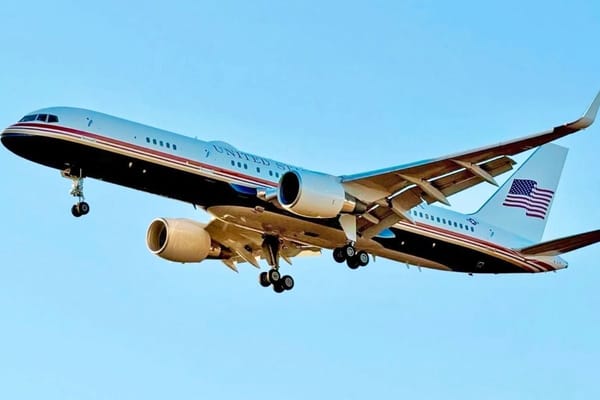
US Starts Syria Troop Pullback Amid Rising Regional Tensions
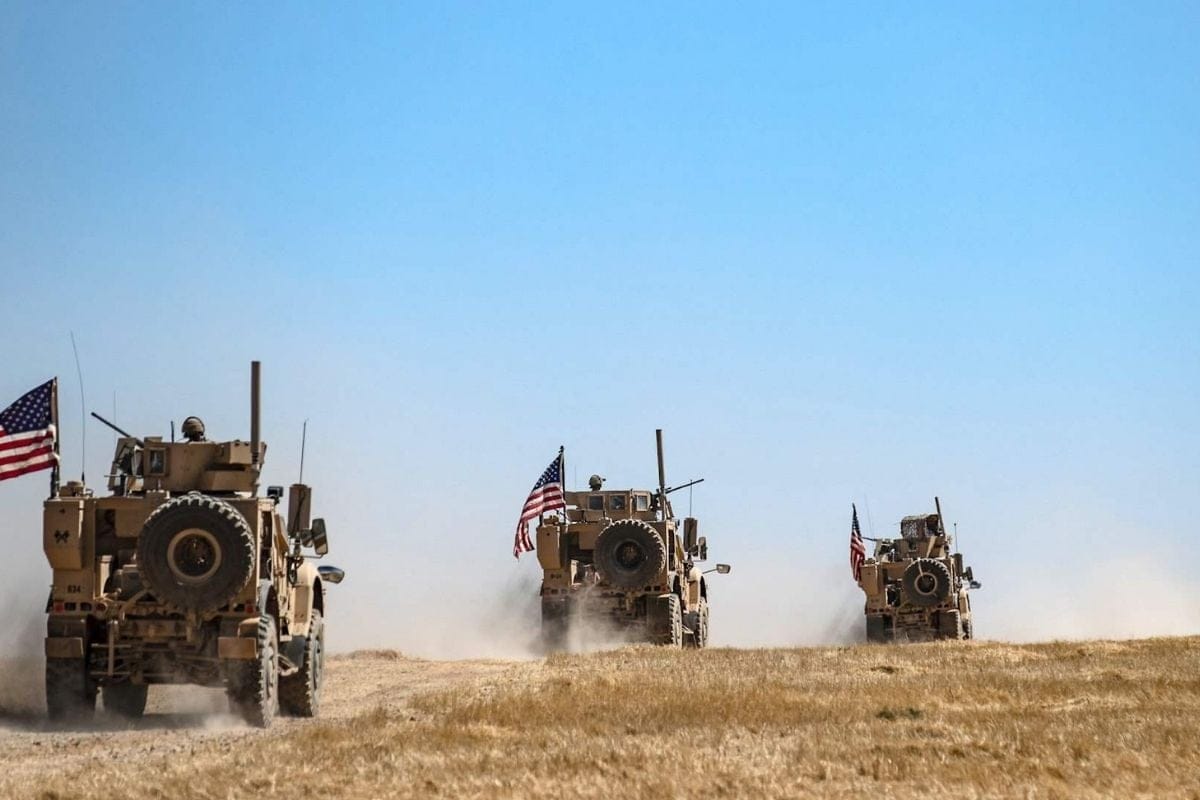
The United States has started withdrawing troops from parts of Syria, marking another adjustment in a conflict that has shaped American foreign policy for more than a decade. Officials describe the move as a recalibration of military posture rather than a full departure. Still, even a limited drawdown sends a message to allies, adversaries, and Americans watching from home.
For years, U.S. forces operated in northeastern Syria with a clear objective: dismantle ISIS and prevent it from rebuilding territorial control. That mission achieved significant results. ISIS no longer governs cities or commands the sweeping influence it once did. But Syria remains fractured, unstable, and crowded with competing powers.
This withdrawal reflects a change in how Washington believes it can manage risk, not an abandonment of responsibility.
Why Washington Is Reducing Its Ground Presence Now
American troops first deployed to Syria in 2014 at the height of ISIS expansion. Over time, they partnered with Kurdish-led Syrian Democratic Forces (SDF), conducted targeted operations, and helped dismantle the group’s territorial strongholds. Today, the battlefield looks different.
ISIS no longer controls large population centers, but intelligence agencies continue to track smaller cells operating in remote areas. At the same time, Syria hosts multiple armed actors. Russian forces coordinate with the Syrian government. Iran-backed militias operate across strategic corridors. Turkish forces maintain cross-border security interests. That environment creates constant friction.
Maintaining a steady American ground presence means navigating unpredictable flashpoints. Even limited deployments require supply chains, protection units, and contingency planning. Reducing troop numbers lowers direct exposure to attack while preserving operational reach.
From Washington’s perspective, this is about adjusting posture to current realities rather than holding ground for symbolic reasons.
Counterterrorism Remains the Core Mission
Despite the repositioning, U.S. officials emphasize that counterterrorism operations continue. The fight against ISIS has evolved, not ended.
Modern military strategy increasingly relies on intelligence integration, drone surveillance, rapid-response capabilities, and regional coordination. Permanent bases are no longer the only tool for maintaining pressure.
American forces have demonstrated in other regions that they can conduct targeted strikes and intelligence operations without sustained ground deployment. The Pentagon appears confident that a lighter footprint in Syria can still achieve the primary objective: preventing ISIS resurgence.
The key question becomes whether reduced visibility affects deterrence. Extremist groups often test boundaries during transitions. Washington must ensure its capability remains credible even as troop numbers decline. This approach favors flexibility over permanence.
Regional Players Are Watching Closely
Every U.S. movement in Syria reshapes the regional balance. The SDF, long-time partners in the anti-ISIS campaign, will seek clear signals that support continues. Their stability depends partly on American backing, particularly in areas where tensions with other actors persist.
Turkey will evaluate whether the shift changes border security calculations. Russia and Iran-backed groups will assess whether the withdrawal creates openings or reflects disciplined repositioning. Perception carries strategic weight.
If adversaries interpret the drawdown as retreat, they may attempt to expand influence. If they see it as a calculated adjustment backed by continued military capability, deterrence could remain intact. Diplomatic coordination becomes essential in this phase. Military repositioning often requires parallel political engagement to prevent misinterpretation.
The Debate Inside the United States
Syria policy has divided American lawmakers for years. Some argue that maintaining even a modest presence deters instability and reinforces alliances. Others question the long-term value of sustained deployments in conflicts without clear political resolution.
Public opinion plays a role as well. After years of overseas operations, many Americans prefer defined missions with measurable endpoints. This withdrawal reflects that broader sentiment.
Defense planners must constantly balance risk, cost, and strategic benefit. Syria no longer represents the central theater of U.S. counterterrorism strategy. Global priorities continue to expand, requiring flexible allocation of military resources. Reducing ground presence in Syria frees operational capacity without fully disengaging.
A Broader Reflection of Modern US Military Strategy
The Syria adjustment illustrates a larger transformation in American defense thinking. The United States increasingly favors mobility, intelligence superiority, and alliance networks over permanent ground occupation. It seeks influence through precision rather than scale.
This model does not eliminate risk. It shifts how risk is managed. By maintaining technological advantage and rapid-response capability, Washington believes it can respond to emerging threats without locking into indefinite deployments.
Syria now serves as a test case for that doctrine. If stability holds and extremist groups remain contained, the lighter footprint will appear sustainable. If violence escalates, pressure may mount for renewed presence. Foreign policy rarely offers permanent solutions. It demands adaptation.
For now, Washington has chosen recalibration over retreat. The United States remains engaged in Syria just with fewer boots on the ground and a sharper focus on flexibility.
The coming months will determine whether this measured shift stabilizes the environment or invites new challenges. Either way, it reflects a clear signal: American strategy continues to evolve, balancing vigilance with restraint in an increasingly complex world.