Venezuela’s Maduro to Face Narco-Terror Charges in Manhattan Federal Court

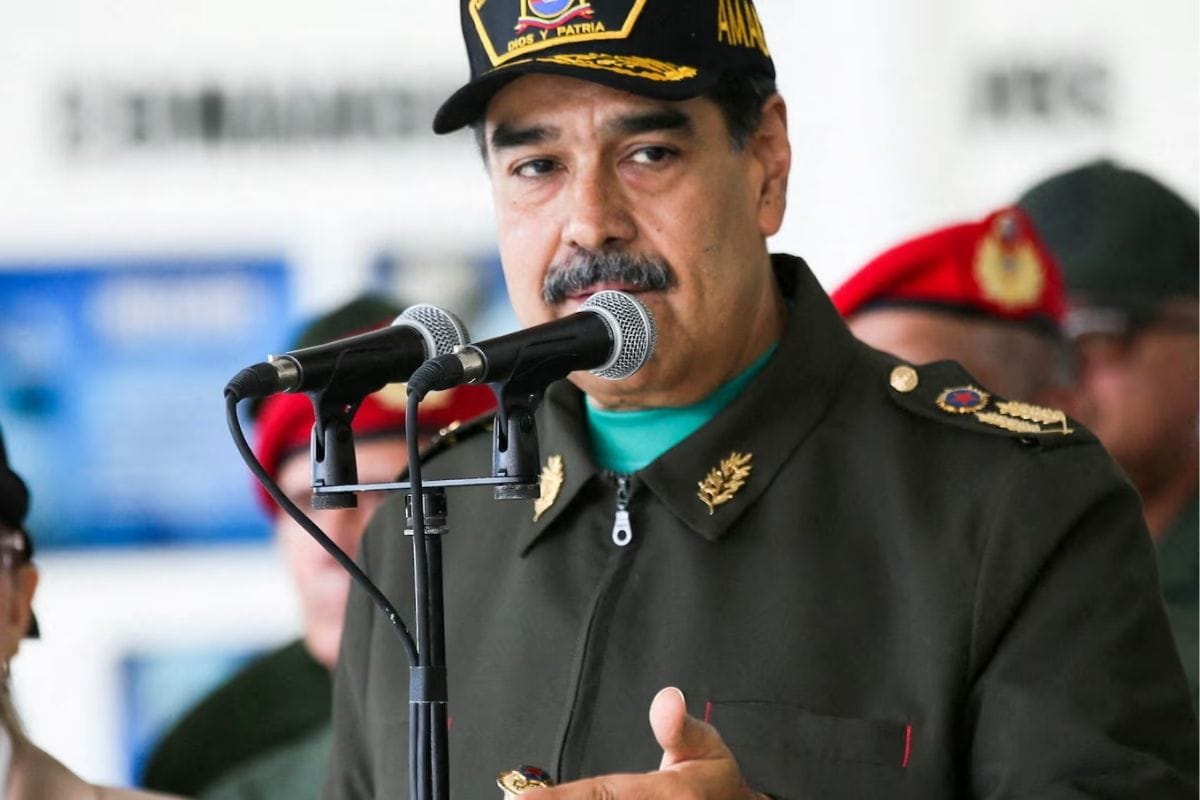
Venezuela’s longtime leader, Nicolás Maduro, is set to face a major legal reckoning in the United States, as he prepares to appear in federal court in Manhattan on January 5. The court appearance marks a dramatic moment in U.S.–Venezuela relations and follows an extraordinary military operation that brought Maduro and his wife to American soil.
According to the U.S. District Court for the Southern District of New York, Maduro will be arraigned at noon before Judge Alvin K. Hellerstein. Prosecutors say the charges are serious and far-reaching, accusing the Venezuelan president of leading a decades-long criminal conspiracy that involved drug trafficking, weapons violations, and terrorism-related offenses.
The case has already drawn international attention, not only because of the allegations themselves, but also because of how Maduro was captured and brought to the United States.
A Stunning Arrest and Transfer to the U.S.
Maduro and his wife, Cilia Flores, were captured at their home in Venezuela on January 3 during a U.S.-led military operation. The action came after months of rising tensions between Washington and Caracas, including clashes over drug trafficking routes, oil shipments, and political legitimacy.
After their arrest, the couple was flown to the United States, where Maduro arrived in New York late that night. He is currently being held in a federal detention facility while awaiting his court appearance.
U.S. officials described the operation as carefully planned and coordinated with law enforcement agencies. The move represents one of the most aggressive steps taken by the United States against a sitting foreign leader in recent memory.
The Charges Maduro Faces
Federal prosecutors say Maduro is facing a four-count indictment that paints him as the central figure in a 25-year narco-terrorism conspiracy. The charges include:
- Narco-terrorism conspiracy
- Cocaine importation conspiracy
- Two counts related to illegal weapons offenses
According to the indictment, Maduro allegedly helped oversee the shipment of massive quantities of cocaine into the United States over several decades. Prosecutors claim that high-ranking members of his administration, along with family members, were involved in the operation.
The charges also seek the seizure of any assets tied to the alleged criminal enterprise, including property, money, and other belongings obtained through the conspiracy.
Maduro’s wife, son, and several senior officials from his government have also been named in the case.
Trump’s Bold Claims and U.S. Policy Debate
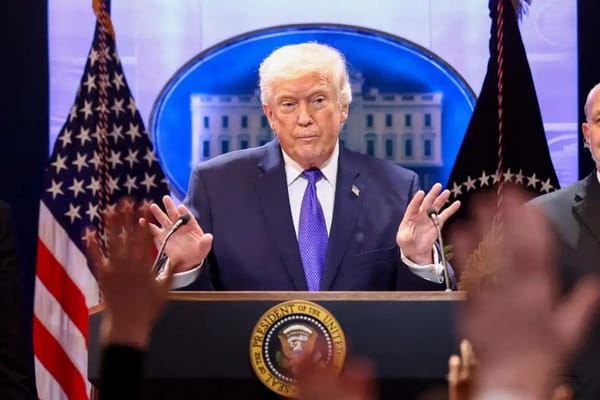
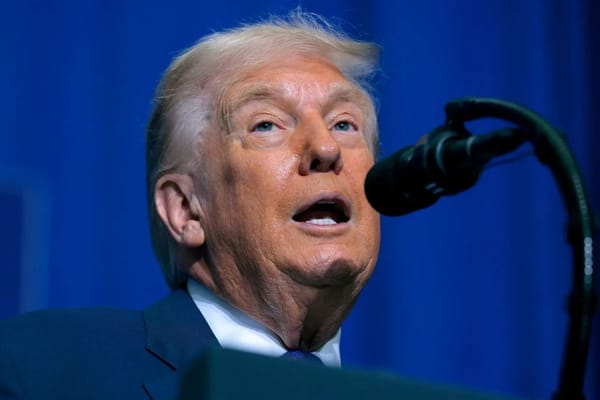
President Donald Trump, who ordered the military operation that led to Maduro’s arrest, has framed the move as part of a broader effort to restore democracy in Venezuela.
Speaking from his Mar-a-Lago club in Florida, Trump said the United States would temporarily “run” Venezuela until a safe and orderly transition could take place.
“We’re going to run the country until we can do a safe, proper and judicious transition,” Trump said. “It has to be judicious, because that’s what we are all about.”
Those comments immediately sparked debate within the U.S. government and abroad. Some officials moved quickly to clarify the administration’s position.
Secretary of State Marco Rubio pushed back on the idea that the U.S. would directly govern Venezuela, saying instead that Washington intends to influence policy outcomes rather than take control.
“It’s not running it. It’s running policy,” Rubio said in an interview. He also noted that organizing free elections in Venezuela could take longer than a month, given the country’s instability and political divisions.
A Turning Point for Venezuela
The arrest of Maduro marks a turning point for Venezuela, a country that has faced years of economic collapse, political unrest, and international isolation. With its president now in U.S. custody, the future of the Venezuelan government remains deeply uncertain.
Following the arrest, Venezuelan officials declared a state of emergency, and military forces were reportedly placed on high alert. Vice President Delcy Rodríguez is expected to assume leadership responsibilities under Venezuelan law, though her authority is already being challenged both domestically and internationally.
Supporters of Maduro have condemned the U.S. action as illegal and imperialistic. At the same time, critics of his regime argue that justice has finally caught up with a leader they accuse of destroying the country.
What Happens Next
Maduro’s court appearance on January 5 is expected to be the first step in what could become a long and complex legal battle. Legal experts say the case could take months, if not years, to resolve, particularly given its international implications and the magnitude of the charges.
For now, the world will be watching the Manhattan federal court closely. The proceedings could reshape U.S. relations with Latin America, influence global drug enforcement efforts, and redefine how powerful leaders are held accountable beyond their borders.
As Maduro prepares to stand before a U.S. judge, one thing is clear: this case is about far more than one man. It represents a dramatic escalation in global politics, law enforcement, and the ongoing struggle over Venezuela’s future.