Vin Diesel Gets Respite in Sexual Battery Lawsuit but the Story Is Far From Finished

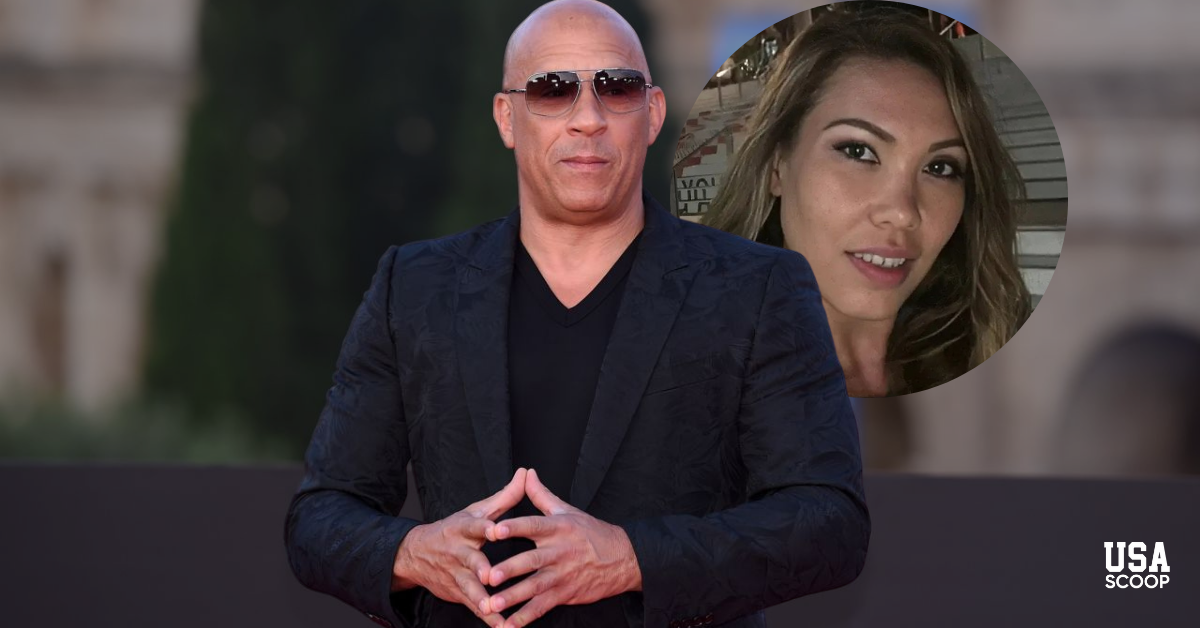
A judge rejects the sexual battery case, yet the former assistant vows to appeal, so what comes next?
In a Los Angeles courtroom on November 19, 2025, a judge dismissed the sexual battery and retaliation lawsuit filed against actor Vin Diesel, which left many questions unanswered.
The actor’s former assistant alleged an incident in Atlanta in 2010 while filming Fast Five. The court’s decision did not address whether the alleged events happened, but ruled that California law could not apply to what occurred in Georgia.
Diesel’s team swiftly celebrated the ruling, and his legal representative described the suit as “meritless,” along with expressing relief that the case had reached a conclusion. Meanwhile, the accuser, Asta Jonasson, made it clear the fight isn’t over: she plans to appeal the decision and pursue her claims.
The Allegations That Sparked the Case
Jonasson’s lawsuit, filed in December 2023, alleged that in September 2010, while working for Diesel’s production company on location in Atlanta, Diesel pulled her into his hotel suite, forcibly groped her, pinned her against a wall, and exposed himself.
The lawsuit further argued she was terminated the following day in retaliation for resisting the alleged assault.
Her legal team said that Diesel asked her to perform supervisory tasks in a high-pressure environment, that the alleged incident took place during a shoot for Fast Five, and that the production company dismissed her not for job performance but because she refused to comply with unwanted advances.
Diesel, through his attorney, has denied the allegations in their entirety, noting the claims were brought more than a decade after the alleged incident and by an employee who worked for him for only nine days.
Why the Judge Pulled the Plug
The decisive factor in the ruling was jurisdiction and statute of limitations. The court found that California’s Fair Employment and Housing Act (FEHA) cannot be applied to events that occurred outside the state’s borders, in this case, Georgia.
The judge wrote that the claims impermissibly apply California law to extraterritorial conduct.
Earlier in the year, four of Jonasson’s claims had already been dismissed because they were deemed time-barred under FEHA’s deadlines. What remained were six causes of action, including sexual battery, wrongful termination, intentional infliction of emotional distress, and negligent supervision. The newly dismissed counts stemmed from the same jurisdictional issue.
Notably, the court did not rule on the truth or falsehood of the allegations themselves, just on the applicability of California law. As Jonasson’s attorney stressed, “The ruling was based on a legal technicality. We respectfully disagree.”
A Win for Diesel, But Only in Court
For Vin Diesel, the decision offers relief from a potentially high-stakes trial, as the spectre of decades-old allegations resurfacing in a public courtroom always carries risks for a star whose brand is built on strength, control, and box-office charisma.
The ruling lets him maintain that the accusations are unfounded. His legal team called the dismissal a vindication of what they long argued, that these claims lacked merit and proper jurisdiction. Yet the outcome is neither final nor definitive. With the appeal pathway open, the matter remains alive for public scrutiny.
Imbroglio Amongst The Accuser and Advocates
From Jonasson’s perspective, the dismissal is not a defeat but a detour. Her attorney emphasises that the decision only addressed jurisdiction, not the core allegations. “We will continue to advocate vigorously on behalf of our client,” he stated.
The power dynamics between celebrity and employee, the delayed nature of many sexual-assault claims, and the complex interplay of state laws when incidents cross locations are all questions that linger despite the judicial conclusion of this episode.
The fact that the allegedly abusive event took place outside California complicates the legal path for victims in our modern ‘gig-economy’ era of remote shoots and cross-state employment.
Fall of the Fast & Furious Star?
Even if you aren’t a “Fast & Furious” fan, this story matters as it shines a light on how allegations of sexual misconduct intersect with jurisdictional law, the power imbalance between high-profile figures and their employees, and how justice plays out when the alleged event happened more than a decade ago.
It raises a key question of whether and when laws designed to protect workers in one state cannot reach alleged wrongdoing in another, and who fills that gap?
Celebrity cases often serve as cultural flashpoints. The outcome here may influence future cases involving mixed-state jurisdictions, short-term hires and entertainment-industry structures where employees may feel vulnerable.
End Of The Legal Process? Not Really
The legal process is far from done. Jonasson has signalled she intends to appeal the dismissal, which could result in subsequent filings, motion hearings and potentially another judge’s review of whether the case can proceed under another legal framework.
For Diesel, while the court victory holds for now, the broader reputational risk remains, but renewed public interest, media coverage and next-stage legal manoeuvres could all affect him on all fronts, i.e. personally, professionally, and financially.
It’s also worth watching how the entertainment industry and corporate structures respond. The case may prompt internal reviews of how production companies handle assistant roles, hotel-location shoots, and claims of misconduct.
Finally, the public reaction could shape how audiences view celebrity brands associated with allegations, including even those dismissed on technical grounds.
Eventual Verdict
When a major star like Vin Diesel sees a lawsuit dismissed, the immediate takeaway is that of victory, but the underlying story is far more complicated.
The dismissal only addressed where the case could proceed.
Diesel may continue uninterrupted, but for Jonasson, the fight continues elsewhere, in a different territory. The question now is whether we accept legal closure or seek truth in accountability.