Wall Street Cheers Maduro Capture, Chevron and Energy Stocks Surge as Oil Stays Calm


Energy markets reacted swiftly but unevenly after the United States confirmed the capture of Venezuelan President Nicolás Maduro, sending shares of major oil companies sharply higher while global oil prices barely moved. The mixed response highlighted both investor optimism and deep uncertainty about what comes next for Venezuela’s oil-rich but heavily damaged energy sector.
On Monday morning, shares of Chevron surged nearly 5%, making it one of the strongest performers in the energy sector. Chevron is currently the only major U.S. oil company still operating inside Venezuela, giving it a unique position as investors speculate about renewed access to the country’s massive oil reserves. Other energy giants also posted gains. ConocoPhillips climbed more than 5%, while Exxon Mobil rose over 2%, despite having exited Venezuela almost two decades ago when the government nationalized foreign assets under Hugo Chávez.
Trump’s Comments Fuel Investor Optimism
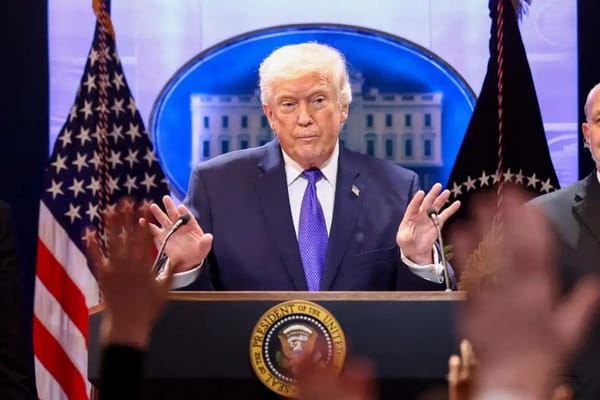
The rally in energy stocks came after President Donald Trump declared that American companies would play a major role in rebuilding Venezuela’s oil industry following Maduro’s arrest. His remarks fueled hopes that years of sanctions, mismanagement, and political isolation could soon give way to a new phase of investment and production.
For many investors, the possibility of renewed U.S. involvement in Venezuela’s energy sector represents a rare long-term opportunity, even as the immediate challenges remain substantial.
Despite the surge in energy shares, oil prices themselves remained relatively calm. Brent crude initially dipped about 2% before stabilizing near $61 a barrel, while U.S. crude futures edged slightly higher to around $58. The muted response suggested that traders remain cautious, aware that restoring Venezuela’s oil output will not be quick or easy.
Venezuela holds some of the world’s largest proven oil reserves, but decades of underinvestment, infrastructure decay, and sanctions have left production at a fraction of its former levels. Even if political barriers are lifted, analysts say it could take years before Venezuelan oil makes a meaningful impact on global supply.
Analysts Warn of a Long and Uneven Recovery
Market experts warned that short-term excitement should not be confused with long-term certainty. While increased supply typically helps lower oil prices over time, the transition period is likely to be volatile. Legal questions, aging equipment, skilled labor shortages, and the challenge of untangling years of state control all stand in the way of a smooth recovery.
“There will be noise,” one investment strategist noted. “Supply disruptions, unclear ownership, and transitional governance issues are unavoidable. This is not a switch that gets flipped overnight.”
Beyond energy stocks, the geopolitical shockwaves from Maduro’s capture rippled across global markets. Defense stocks climbed sharply as investors priced in heightened global tensions and the possibility of further military or diplomatic confrontations.
In the United States, shares of Northrop Grumman and Lockheed Martin both rose by more than 2%. European defense firms also benefited, with Germany’s Rheinmetall jumping roughly 8%, while companies in the UK and Italy posted solid gains.
Gold and Silver Attract Safe-Haven Demand
Safe-haven assets surged as well. Gold prices rose about 2.5%, climbing above $4,400 an ounce, as investors sought protection against uncertainty. Silver saw an even stronger rally, jumping more than 7%.
Precious metals have been on a remarkable run, driven by concerns over inflation, geopolitical instability, and weakening confidence in traditional financial systems. Gold, in particular, has delivered its strongest annual performance in decades, gaining more than 60% last year and reaching record highs.
Broader Markets Show Surprising Resilience
Meanwhile, broader equity markets appeared surprisingly resilient. The S&P 500 rose about 0.6% as investors largely brushed aside fears that U.S. actions in Venezuela could escalate into a wider conflict. Energy stocks led the gains, helping offset losses in other sectors.
Still, not everyone is convinced that markets are fully accounting for the risks ahead. Venezuela’s future remains uncertain, with questions swirling around who will govern the country, how quickly institutions can be stabilized, and whether foreign companies will face new legal or political obstacles.
Challenges Ahead for Venezuela’s Oil Industry
There is also skepticism about how quickly American oil companies can realistically increase production. Even under the best conditions, restoring output to meaningful levels would require massive investment, technical expertise, and time. Wells must be repaired, pipelines rebuilt, refineries modernized, and trust restored among international partners.
Investors also remain cautious about potential backlash from global players aligned with Venezuela’s former leadership. Diplomatic tensions, retaliatory measures, or unexpected policy shifts could still disrupt markets with little warning.
A Market Caught Between Hope and Reality
For now, Wall Street appears caught between optimism and realism. Energy stocks are rising on hopes of long-term opportunity, while oil prices reflect a more grounded view of the challenges ahead.
What is clear is that Maduro’s capture has already reshaped market sentiment, even if it hasn’t yet moved oil prices in a dramatic way. Whether this moment becomes a turning point for Venezuela’s energy industry or just another chapter in its long-running crisis remains to be seen.