Warner Bros. Discovery Moves To Reject Paramount’s $108B Takeover

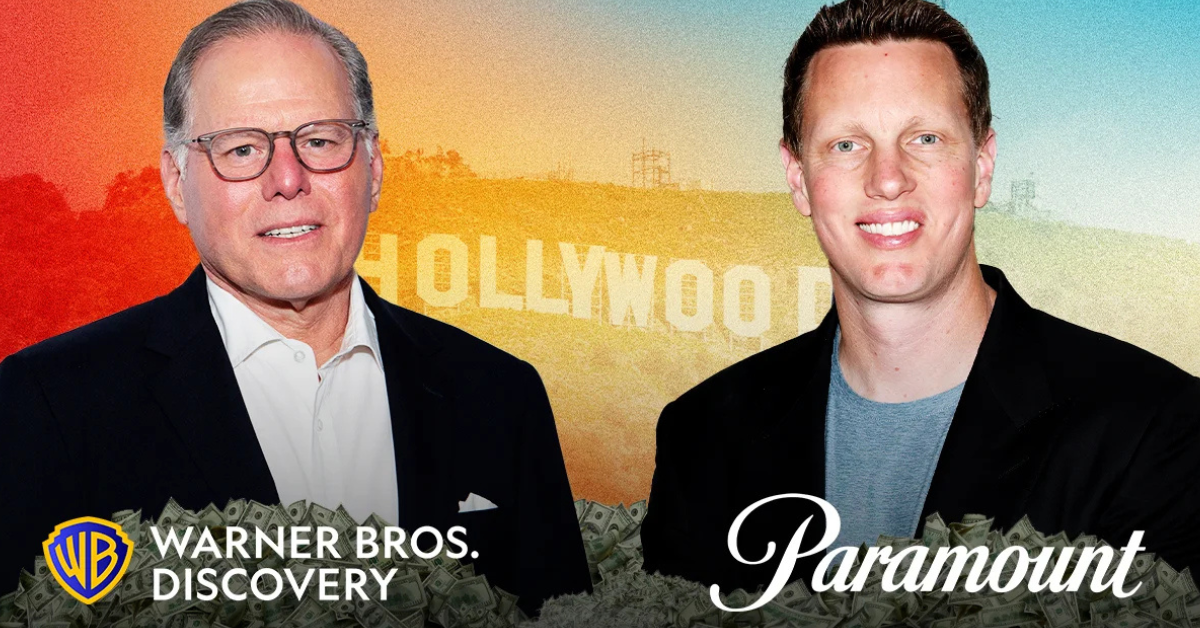
Warner Bros. Discovery (WBD) is on the brink of formally rejecting a hostile takeover bid from Paramount Skydance Corp. after a key financial backer pulled out of the deal, people familiar with the matter have told reporters. Paramount had offered $30 per share in cash for WBD, valuing the company at approximately $108.4 billion, in a bid intended to supplant the existing $82.7bn acquisition agreement with Netflix Inc. and appeal directly to Warner shareholders.
The Paramount bid followed weeks of negotiation and follow-up offers after Warner Bros. Discovery agreed earlier this month to be acquired by Netflix in a deal that includes the storied studio, HBO networks, and streaming assets. Paramount’s move effectively bypassed the company’s management and sought to override the Netflix arrangement by taking its proposal directly to shareholders.
However, that strategy has been weakened by the withdrawal of Affinity Partners, a private equity firm led by Jared Kushner, who is also President Donald Trump’s son-in-law. Affinity had been among the group of financiers backing Paramount’s cash offer. In a statement to Bloomberg News, the firm said it would no longer pursue the opportunity, citing shifting investment dynamics and the presence of two strong competitors in the race for the entertainment giant.
Backer’s Exit Complicates Paramount’s Strategy
Affinity Partners’ exit does not immediately collapse Paramount’s bid, which is still supported by Middle Eastern sovereign wealth funds and other investors, but it removes a potentially influential voice from the financing consortium. The firm had committed roughly $200m to the Paramount offer, and its political and business ties had been viewed by some analysts as an advantage in navigating regulatory and public relations challenges.
In a combined statement, the firm said that it still believed in Paramount’s strategic rationale for the acquisition but decided the competitive landscape had changed since it became involved in October. It indicated that it would focus its resources elsewhere and refrain from active participation in the takeover effort.
Warner Bros. Discovery’s board has raised concerns about the certainty of Paramount’s financing and overall structure of the offer. People familiar with the board’s thinking say executives believe the Netflix deal provides greater value and certainty for shareholders, especially given its negotiated terms and associated termination fee if Paramount succeeds.
Netflix Deal Still in Play
Despite the hostile bid, Netflix has reaffirmed its commitment to the previously agreed acquisition terms. Leadership at the streaming giant has described their deal as well-positioned to clear regulatory review, while also promising to maintain cinematic releases and expand competitive posture against rivals like YouTube and Amazon.
Under the Netflix arrangement, Warner Bros.’ film studios, HBO Max streaming services, and associated content libraries would fall under Netflix’s ownership, with WBD’s linear cable networks potentially spun off as separate entities. Netflix leaders have repeatedly expressed confidence that the transaction will conclude, highlighting that long-term regulatory scrutiny is expected but manageable.
By contrast, Paramount’s bid includes the entirety of Warner Bros. Discovery, encompassing CNN and other cable networks that Netflix excluded from its own offer. Paramount has argued that its all-cash structure offered superior immediate value to shareholders, though critics have questioned whether regulatory hurdles or financing certainty could derail the proposal.
Political and Industry Implications
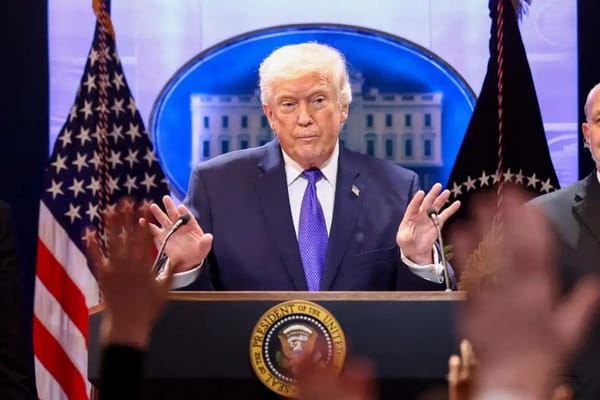
The takeover tussle has attracted political attention, with President Trump weighing in on media industry consolidation and antitrust considerations. Trump has called the Warner-Netflix combination a potential problem because of market share implications, even as Paramount insiders have sought to present their bid as more likely to obtain regulatory approval.
Democratic lawmakers and other critics have also spotlighted concerns related to foreign investment in a US media institution, particularly given the involvement of sovereign wealth funds from the Middle East in the Paramount financing consortium. While these funds have not withdrawn their support, their participation has become a point of contention among various stakeholders.
Industry analysts note that the outcome of the Warner Bros. bidding war could reshape the competitive landscape in film, television, and streaming. Control of Warner Bros.’ deep content library, spanning legacy franchises and contemporary hits, remains strategically important in the ongoing battle among major media companies for viewers and subscribers.
What Comes Next
Warner Bros. Discovery’s board is expected to make a formal recommendation to shareholders as soon as mid-week, urging them to reject the Paramount hostile tender offer in favour of the Netflix agreement. Should shareholders follow this advice, the Paramount bid could effectively be sidelined, leaving Netflix’s acquisition path unobstructed pending regulatory review and customary closing conditions.
Paramount still retains the option of extending its bid, increasing the offer, or pursuing legal avenues to challenge the Netflix deal, but industry insiders suggest such moves would prolong the battle well into 2026. Observers say the outcome will likely influence how future large-scale media acquisitions are structured, particularly in contexts of simultaneous rival bids and heightened regulatory scrutiny.
As the fight for Warner Bros. Discovery’s control unfolds, investors, regulators, and competitors alike are watching closely, aware that the next chapter in this high-stakes bidding war could define the direction of Hollywood and streaming for years to come.